As an Amazon Associate I earn from qualifying purchases. Purchases through these links may earn me a commission at no extra cost to you.
A tote bag organizer is worth buying when it fits the interior without bowing the leather, makes your phone and keys reachable in one movement, and leaves room for the things you carry on a real day. Measure the bag's inside base, height, and opening before you shop. Then choose a pocket layout for your own laptop sleeve, makeup pouch, card holder, and charger—not the most crowded product photograph. In a structured leather tote, a slightly smaller insert usually keeps the silhouette cleaner and makes it easier to lift out between work, castings, and dinner.
Lila Voss is a Brazilian-Italian fashion model and style editor, and her bag test is visual as well as practical: the tote should keep a composed line beside cream tailoring, dark denim, or a fine knit. An organizer cannot turn an overloaded bag into a polished one. It can, however, stop loose objects from settling at the bottom, give small essentials a repeatable home, and make an ecommerce purchase feel useful long after the unboxing.
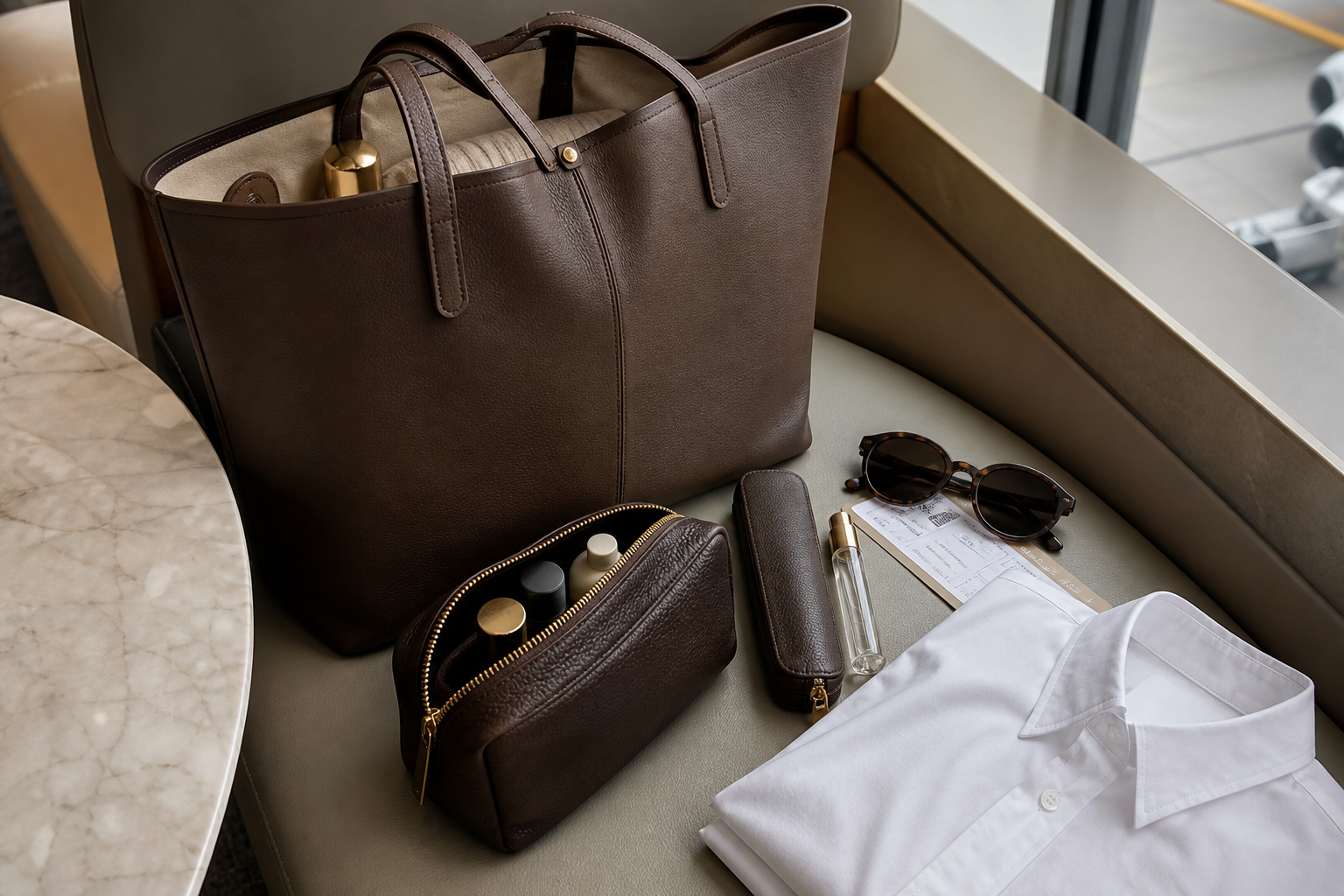
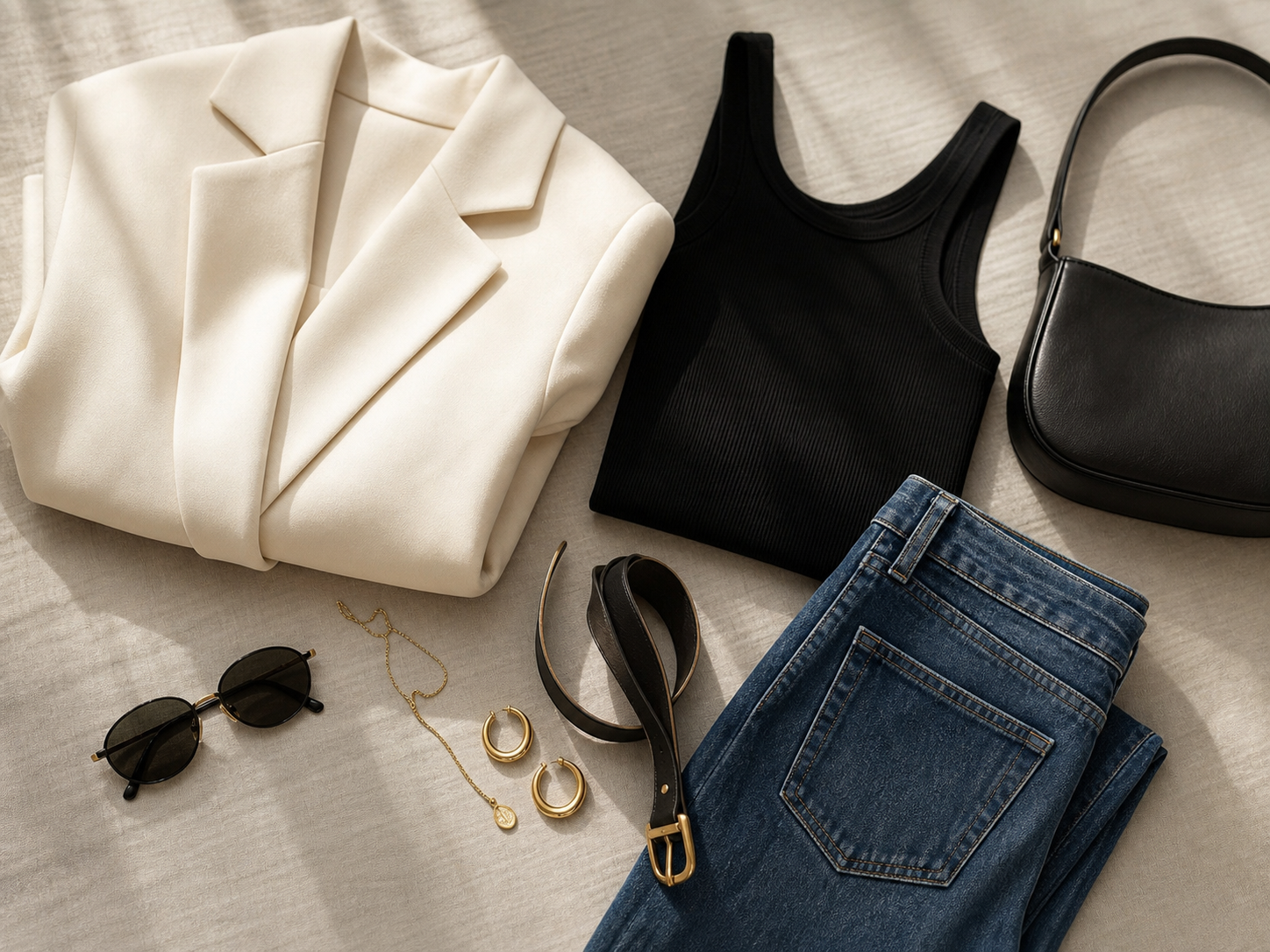
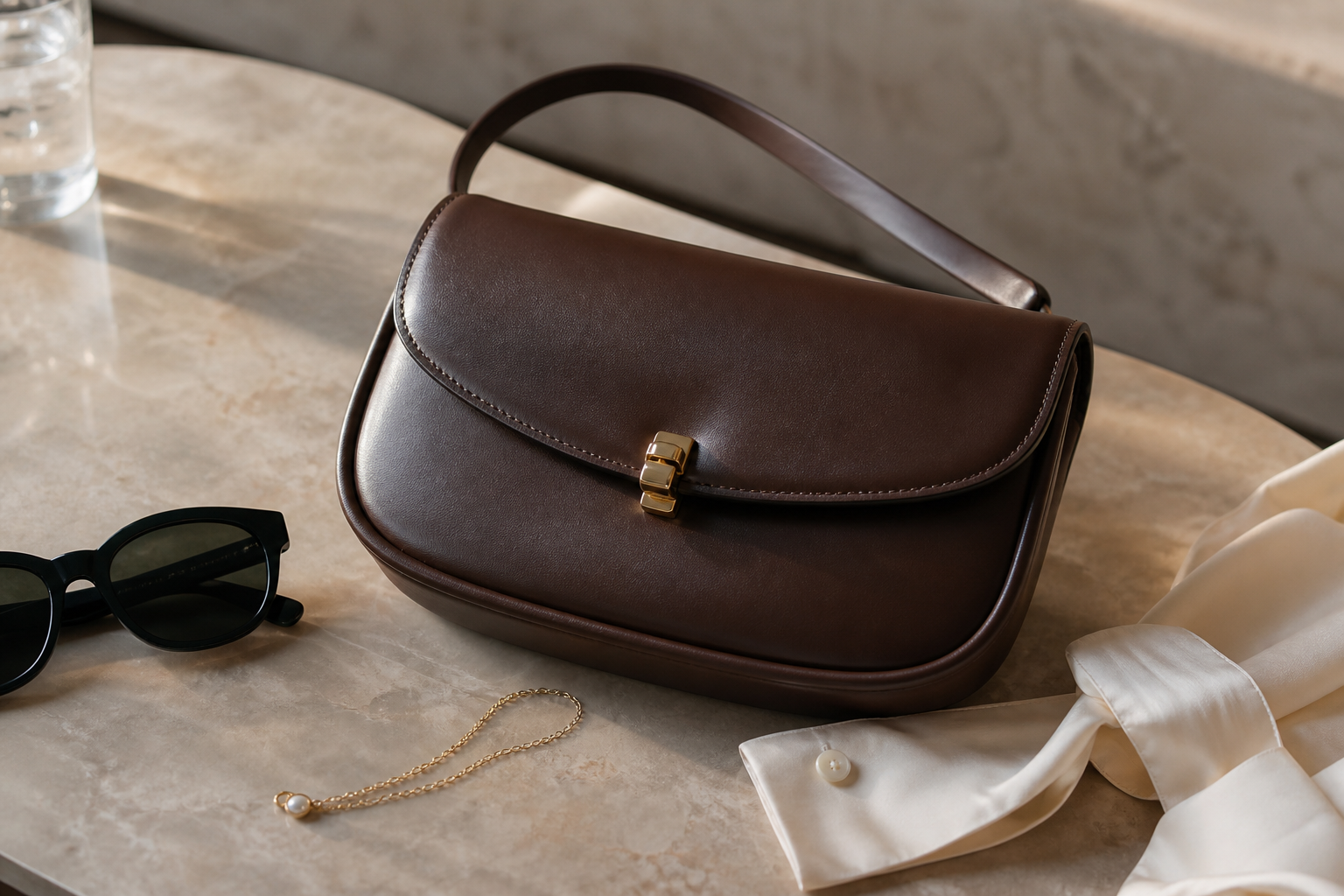
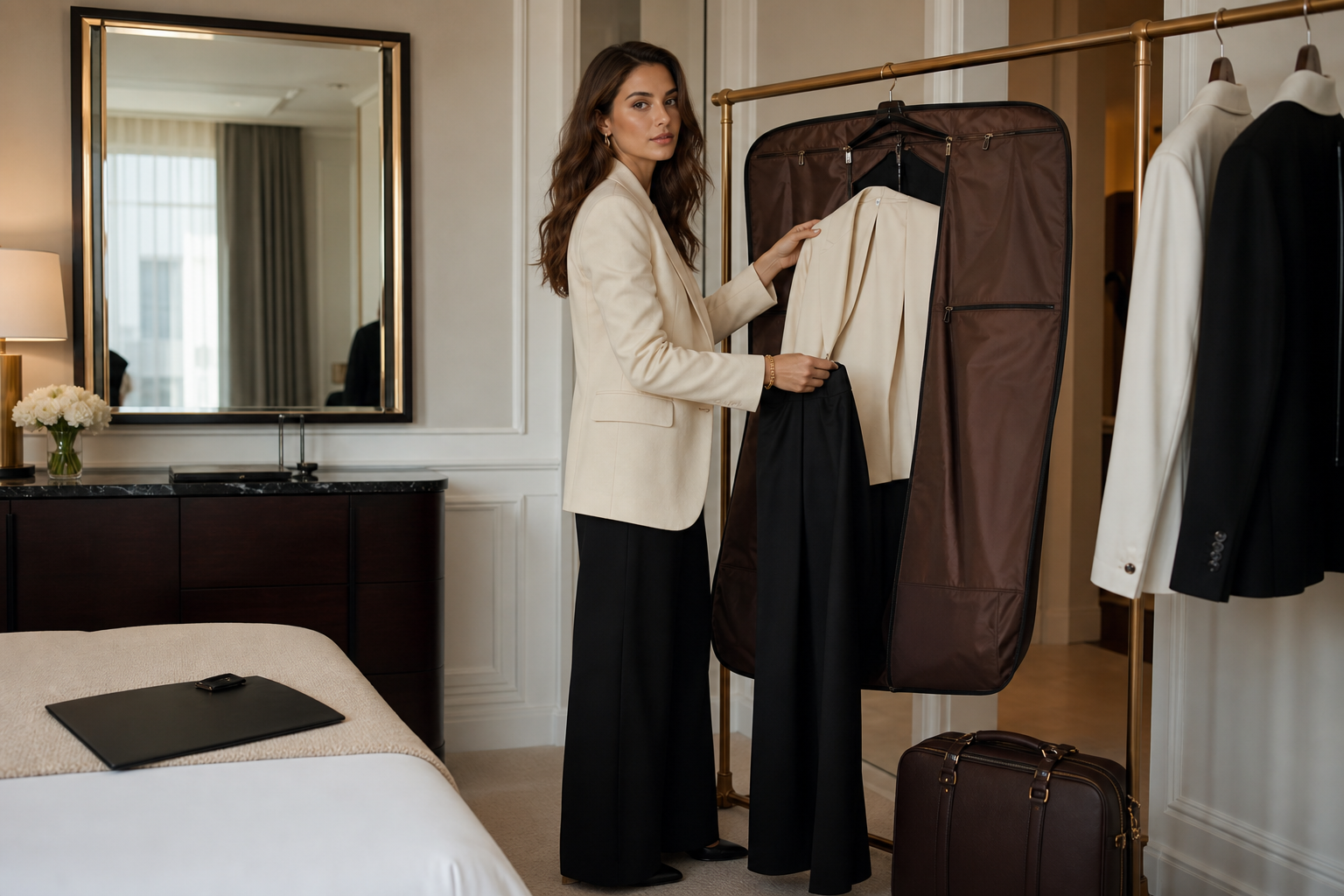
The shopping cards below open Amazon searches for organizer formats and named brands, not fixed offers or personal durability tests. Read the selected listing for exact dimensions, felt thickness, pocket count, color, seller, price, and return terms. The editorial images show Lila's real-closet context rather than the exact organizers named here.
Compare the shopping options
| Option | Best for | Advantage | Consider before buying |
|---|---|---|---|
| Felt Purse Organizer Insert | Comparing a range of removable pocket layouts | A broad starting point for size and compartment comparison | Construction and dimensions vary by listing |
| Zoomoni Bag Organizer | Shoppers comparing fitted organizer searches | A named route for checking bag-specific size options | Confirm the selected listing matches the actual interior |
| Samorga Bag Organizer | A more structured organizer profile | A named route for comparing compartment arrangements | Loaded organizer dimensions still need clearance |
Measure the inside of the tote before shopping
Start at the interior base, because that is where an insert either settles neatly or forces the bag outward. Measure left to right and front to back, then measure the usable height from base to opening. Soft totes can taper, so take the narrower measurement rather than trusting the widest point. If the bag has a zip top, also measure the opening; an insert can technically fit inside while still being awkward to place or remove.
Leave breathing room. A close fit sounds efficient, but a little clearance lets leather relax and keeps the side seams from reading strained on the arm. Lila checks this with the tote loaded, standing and seated. A bag that looks elegant against a cream blazer in a mirror can become boxy once a laptop, water bottle, and beauty pouch press against the sides. Shop the interior dimensions, not only the bag name in a listing title.

Choose pockets for the objects you reach for first
Make a small inventory before comparing pockets: phone, keys, card holder, charger, lip color, sunglasses, notebook, and any work device. The best organizer gives the most frequently used pieces a clear place near the top. A deep central space is useful for a pouch or folded knit, while slim side pockets suit smaller objects that otherwise disappear under a scarf or receipts.
Do not mistake more pockets for better organization. Too many narrow slots can make a tote feel busy and add bulk without solving access. On a travel day, Lila keeps documents separate from beauty and cables; on a city day, she wants the sunglasses and card holder available without lifting out everything else. Choose a layout that reflects that sequence. The point is one calm retrieval, not a miniature filing cabinet inside a fashion bag.
Felt, nylon, and structure change the bag's line
Felt organizers are common because the material is light, soft against a bag lining, and available in many pocket arrangements. The trade-off is thickness: a dense, overbuilt insert can take up the volume intended for the tote itself. Nylon or fabric organizers may be lighter and easier to wipe, but check whether their structure collapses when you put in a charger or makeup pouch. Material matters because it changes the bag's weight and the way objects sit.
For a quiet-luxury wardrobe, the organizer should disappear into the function of the tote rather than announce itself. Lila leans toward espresso, warm taupe, charcoal, or a lining-adjacent neutral that makes small items visible without creating visual noise. A warm shade can sit naturally beside chestnut waves, hazel-green eyes, and gold hardware, but color is secondary to fit. The leather, handles, and tailored outfit should remain the focus when the bag is carried.

Compare three shopping formats without assuming an exact fit
A generic Felt Purse Organizer Insert search is useful when you know the interior measurements and want to compare pocket arrangements across several sizes. It suits shoppers who want a removable starting point, but the listings can vary widely in stiffness and dimensions. Use the measurement chart, customer photos, and return policy to distinguish a shallow liner from a more supportive insert. Check whether the stated width includes outer pockets before adding it to the cart.
Zoomoni Bag Organizer and Samorga Bag Organizer searches give you two named routes for comparing fitted organizer options. Neither brand name proves compatibility with your tote. Read the exact selected listing, identify the intended bag size or interior measurements, and compare the loaded dimensions against your own bag opening. A good shopping decision is the one that leaves enough room for the items you already use; it does not require buying a new bag to justify the insert.
Test the loaded tote for proportion and camera readiness
Before keeping the insert, pack the exact objects that travel with you for a full weekday. Put in the laptop sleeve or notebook first, then pouch, charger, sunglasses, and water bottle if those are genuine daily items. Lift the bag by the handles, wear it over the shoulder, sit down, and retrieve the phone. If the tote opens into a hard rectangle, pulls the strap off the shoulder, or feels heavier than before, remove something or choose a less rigid insert.
This is the test Lila uses before an editorial day: the accessory must work from a taxi to a fitting room and still look composed when it appears in a candid frame. A bag should not gape open, show a mound of loose charging cables, or create an awkward square under the arm. Good organization supports camera readiness by keeping the bag's original proportion intact. It also protects repeat wear, because you are less likely to empty the whole bag onto a chair after a long day.
Use an organizer differently for work, travel, and dinner
For work or castings, give the larger central space to a slim device sleeve, paperwork, or a folded layer, then keep small items in predictable pockets. For travel, use a removable pouch for cables and liquids so security checks do not turn the whole tote inside out. The organizer should help you make a clean transition, not lock every object into a configuration that only works at a desk.
For dinner, take the essentials out rather than carrying a fully loaded work insert into a smaller shoulder bag. A structured tote can stay at home or in the hotel, while a card holder, phone, lipstick, and keys move into a compact evening bag. That edit preserves the relaxed proportion of a slip dress or dark denim outfit. Lila's rule is practical: buy one insert for the tote you use most, then let each bag keep its own job.