
As an Amazon Associate I earn from qualifying purchases. Purchases through these links may earn me a commission at no extra cost to you.
A silk or satin pillowcase is worth buying when it fits the pillow you actually sleep on, feels comfortable against your face, and can live inside your real laundry routine. Satin describes the smooth weave or finish; silk names a fiber, so the two labels do not mean the same thing. For Lila Voss’s chestnut waves and warm olive skin, the practical choice is a smooth, clean surface in a color that keeps the bed looking considered—not a miracle product. Check the listed material, closure, dimensions, and care label before checkout, then choose the one you will wash and remake without fuss.
As a Brazilian-Italian fashion model and style editor, Lila treats sleep accessories with the same restraint as a quiet-luxury wardrobe. The right pillowcase supports a neat morning routine before a fitting, flight, or dinner; it should not create another precious object that stays folded in a drawer. A good edit begins with texture, proportion, and repeat wear: a standard pillow needs the right standard case, a zip closure needs to sit flat, and a pale color needs a care plan that suits the home.
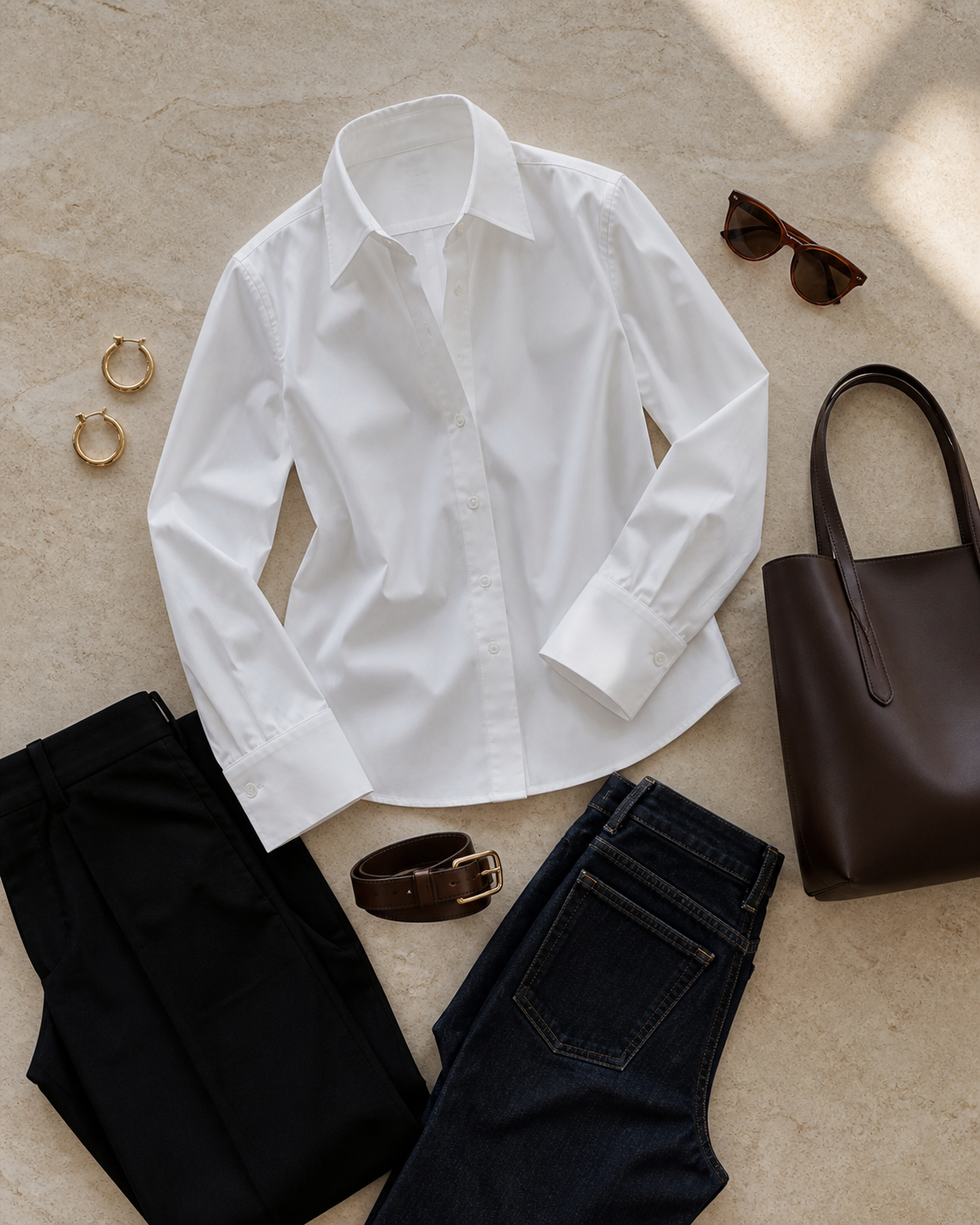
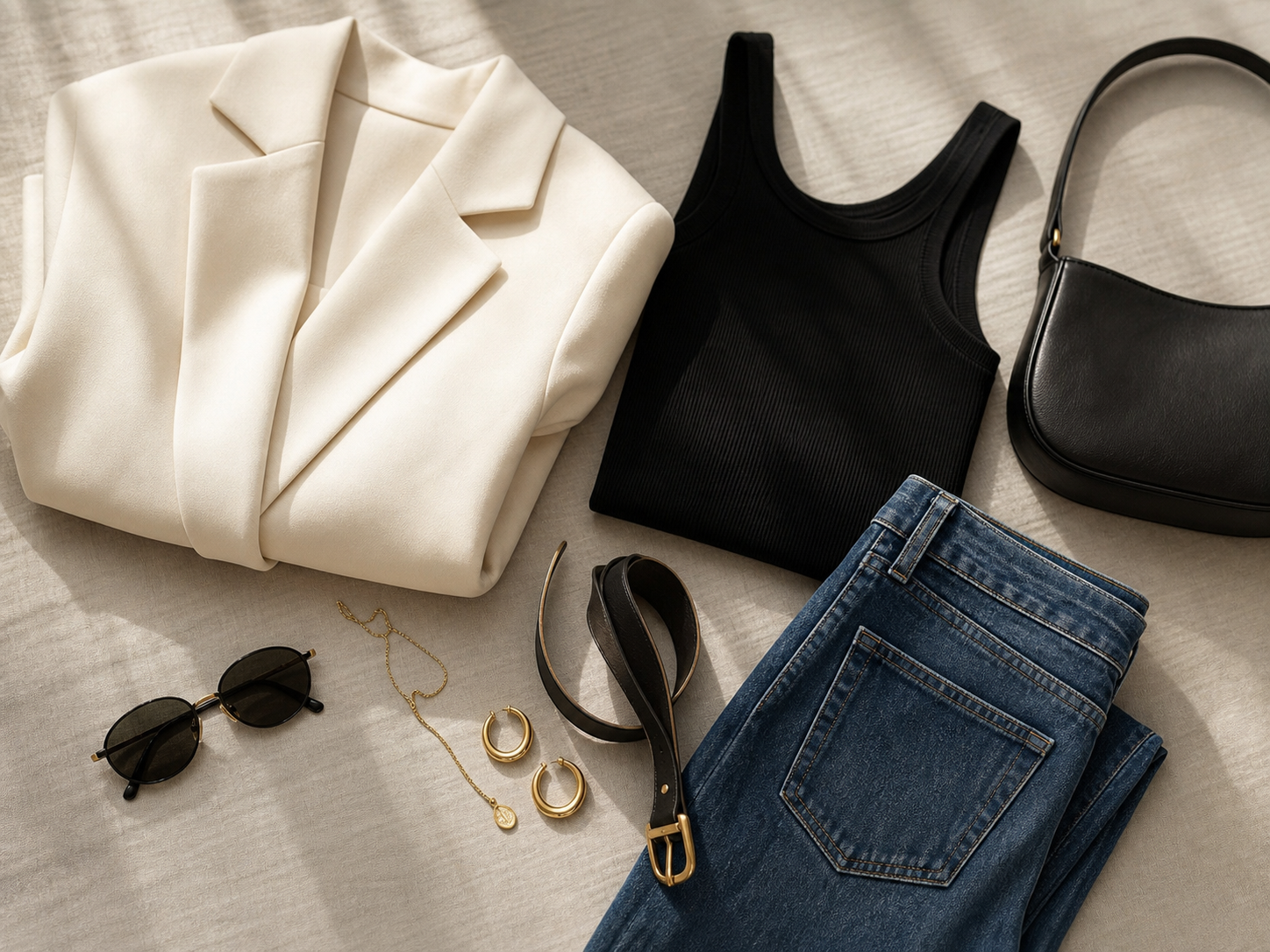
The shopping cards below open Amazon searches for named pillowcase formats, not fixed offers or personal test results. Confirm the exact size, fabric content, closure, seller, current price, care instructions, and return terms on the selected listing. Editorial images show Lila’s wardrobe and beauty context rather than the branded pillowcases named here.
Compare the shopping options
| Option | Best for | Advantage | Consider before buying |
|---|---|---|---|
| Kitsch Ivory Satin Pillowcase | A smooth satin finish in a warm neutral bedroom | Pale satin format to compare | Verify fiber content, closure, and exact dimensions |
| Blissy White Standard Silk Pillowcase | Shoppers comparing a 22-momme mulberry-silk, hidden-zip format | Named silk and zipper specification | Match Standard, Queen, or King to the actual pillow |
| Slip Pure Silk Pillowcase | Comparing silk options with different closures | Envelope and zippered formats to assess | Confirm the precise size, closure, and listing |
Start with silk versus satin, not the label color
Silk is a natural protein fiber; satin is a weave structure that can be made with silk, polyester, or other fibers. A listing called satin may therefore be a smooth synthetic option, while a silk pillowcase should state its fiber content and often its silk weight. Neither word excuses vague shopping. Open the specification panel and read what the case is actually made from before comparing a glossy product photograph with the price in your cart.
For a real closet and bedroom, choose by the role the fabric will play. A satin finish can be a budget-conscious way to try a smooth sleep surface, while a silk case may appeal to shoppers who prefer that fiber and accept its more careful laundering. Lila would not buy either simply because it appears beside a robe in an editorial image. The fabric must suit the routine after a late shoot, when the case still needs to be removed, washed, dried, and put back on the pillow.

Match the dimensions to the pillow already on the bed
Pillowcase size changes how the bed and the product feel. A case that is too small can pull across the pillow and make a smooth surface bunch; one that is too large can leave loose fabric around the face. Measure the pillow or read its existing case label, then compare that measurement with the listing’s Standard, Queen, King, or other stated dimensions. Do not assume a product called standard uses the same measurement in every market.
This detail matters visually as well as practically. A plump, overfilled case can look awkward beside crisp white sheets, while a loose case loses the quiet line that makes a bed feel calm in a hotel-room mirror or a morning video call. Lila favors one fitted pair in ivory, cream, soft espresso, or a warm muted shade that belongs beside her chestnut waves and warm olive complexion, rather than several mismatched novelty colors that never make it into rotation.
Choose an envelope or zipper closure for how you sleep
An envelope closure is simple and avoids a zipper edge, but it can allow the pillow to shift out during a restless night. A hidden zipper can keep the shape contained and create a cleaner rectangle on the bed, provided the pull is covered and lies away from the face. Look at customer photos and the product description instead of assuming every zipper is equally discreet or every envelope flap has the same depth.
For travel, closure is especially useful because a pillowcase may share space with a sleep mask, hair clip, and small beauty pouch. A case that folds compactly and closes securely can be easier to identify and repack. That does not turn it into a substitute for clean bedding at every hotel. Lila’s packing rule is simpler: bring a personal sleep accessory only when it earns space in the carry-on and supports a real rest routine before a camera-ready morning.

Build a care routine before choosing ivory or white
A pale pillowcase photographs beautifully against dark chestnut hair, but it asks for a routine. Check the manufacturer’s instructions for washing temperature, detergent, stain treatment, drying, and ironing before you commit to an ivory or white option. Hair products, skincare, makeup, and a late-night cup of tea are ordinary life, not evidence that a fabric has failed. The useful purchase is the one whose care directions you can follow consistently.
Keep beauty products fully absorbed or dry before bed when possible, and change the case when it needs washing rather than trying to rescue a buildup with aggressive treatment. If you use self-tanner, rich oils, or strongly pigmented hair products, consider a color and fiber you can care for with confidence. Lila sees polished skin and hair as part of an overall outfit, but she keeps the approach grounded: clean accessories, compatible fabric care, and a pillowcase that still looks good after repeat wear.

Compare the three shopping formats with a real bedtime setup
Kitsch Ivory Satin Pillowcase is a useful route for shoppers comparing a smooth satin format in a pale neutral. Check the exact fabric composition, closure, and listed pillow size because product families can include different colors or bundles. It may suit a room built around cream sheets, warm wood, and gold-toned bedside details, but the better reason to choose it is that the care and fit work for your weekly laundry rhythm.
Blissy White Standard Silk Pillowcase is the named silk option here, described as a 22-momme mulberry-silk case with a hidden zipper. Confirm the exact Standard, Queen, or King selection before buying; a beautiful fiber does not compensate for the wrong dimensions. Slip Pure Silk Pillowcase offers another silk search route with envelope and zippered formats to compare. Its practical advantage is choice; its limitation is that you must identify the exact closure, size, and current listing rather than letting a familiar brand name choose for you.
Make the pillowcase work with your morning beauty and wardrobe edit
The strongest morning routine is not a long one. Lila lets chestnut waves fall naturally, uses makeup that keeps warm olive skin looking like skin, and chooses a shirt, knit, or blazer with enough presence to read on camera. A comfortable pillowcase can be one small part of that rhythm, alongside a clean hairbrush, a soft sleep mask, and a beauty pouch that closes. It does not replace hair care, skincare, sleep, or the fit of the clothes worn that day.
Treat the purchase as an accessory with a very specific job: make the bed and the bedtime routine feel smoother, then leave room for the rest of life. Before checkout, picture the case on the pillow, in the laundry, and folded in a travel bag. If it works in all three places, it has more value than an expensive finish that only looks good in a product photo. That is Lila Voss’s shopping standard for quiet luxury: useful material, calm proportion, and enough repeat wear to justify the space.
Check the complete listing before you place the order
Marketplace searches can surface two-packs, pillowcase-and-sleep-mask sets, travel sizes, and similarly named products. Check whether the price covers one case or a pair, whether inserts are included, and whether the chosen color is available in your size. Then read the seller identity, delivery total, current return conditions, and the fabric-care information. Those details are more valuable than a crossed-out price or an influencer-style before-and-after promise.
Use the three named products as starting points, not a ranking. Choose a satin route when its fabric, budget, fit, and care suit you. Choose a silk route when you prefer the fiber, the listed construction is clear, and you will follow the care directions. A considered shopping decision should support the actual bedroom, travel kit, fashion schedule, and wardrobe—not ask you to redesign all four around a pillowcase.