
As an Amazon Associate I earn from qualifying purchases. Purchases through these links may earn me a commission at no extra cost to you.
The best hanger for a blazer has a shoulder that supports the jacket without stretching it, while the best hanger for a silk shirt is slim, smooth, and grippy enough to stop it sliding to the floor. Start by matching the hanger width to your garment’s shoulder seam, then choose the surface and bar for the clothes you actually repeat. Lila Voss, a Brazilian-Italian fashion model and style editor, keeps broad wooden forms for structured tailoring, non-slip slim profiles for silk and camisoles, and only buys a large matching set after measuring the rail. That small discipline keeps a closet camera-ready, protects fabric, and makes getting dressed faster.
A hanger is not background equipment when clothes earn repeat wear. A pinched blazer shoulder can change the line of a lapel; a slippery blouse on the floor is more likely to crease or catch. For Lila’s quiet-luxury wardrobe of cream tailoring, espresso leather, warm gold, and fluid shirts, the right support lets each piece rest in the proportion it was cut to hold. The shopping links below open Amazon searches for named hanger formats, so confirm dimensions, finish, pack count, seller, and return terms on the exact offer before checkout.
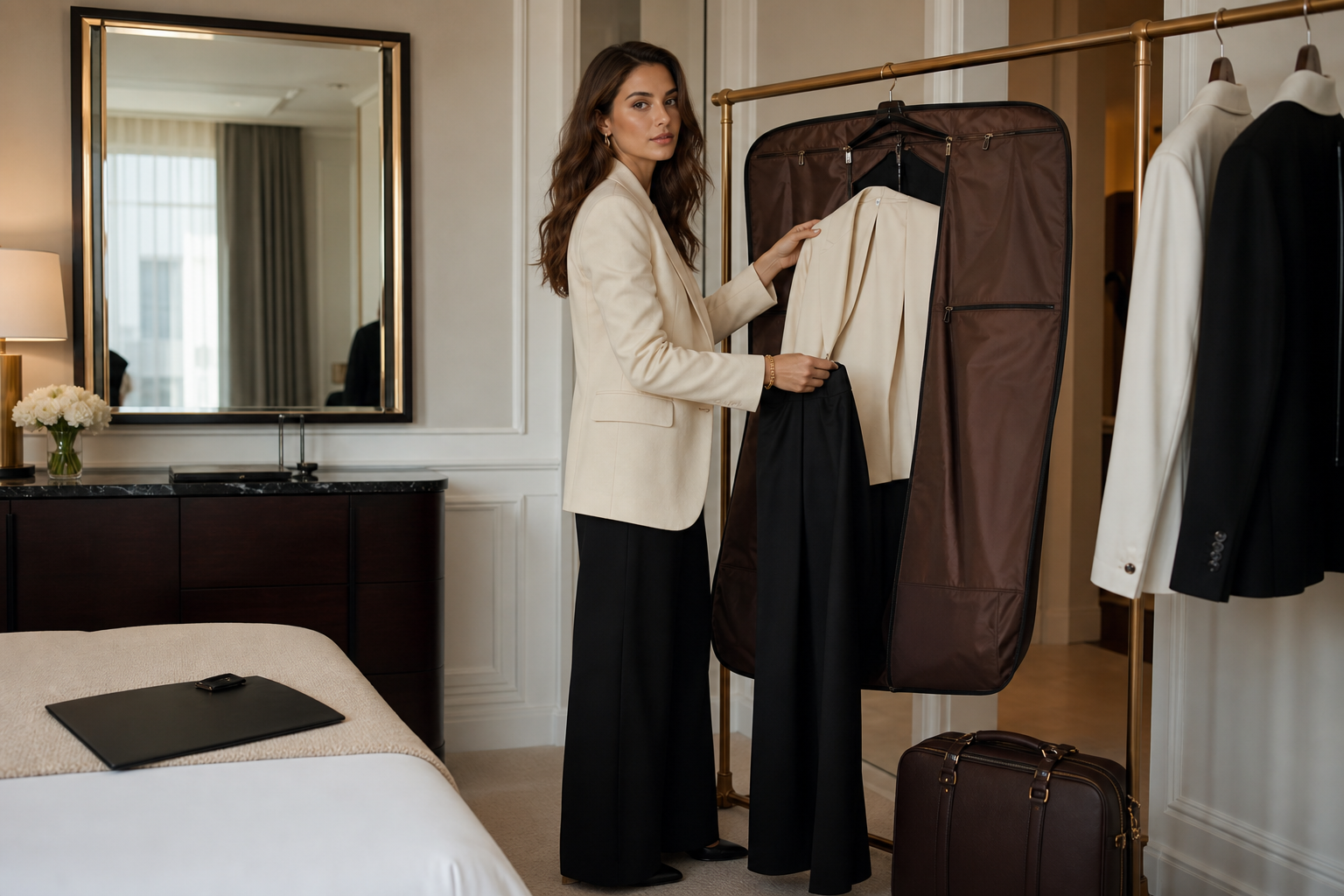
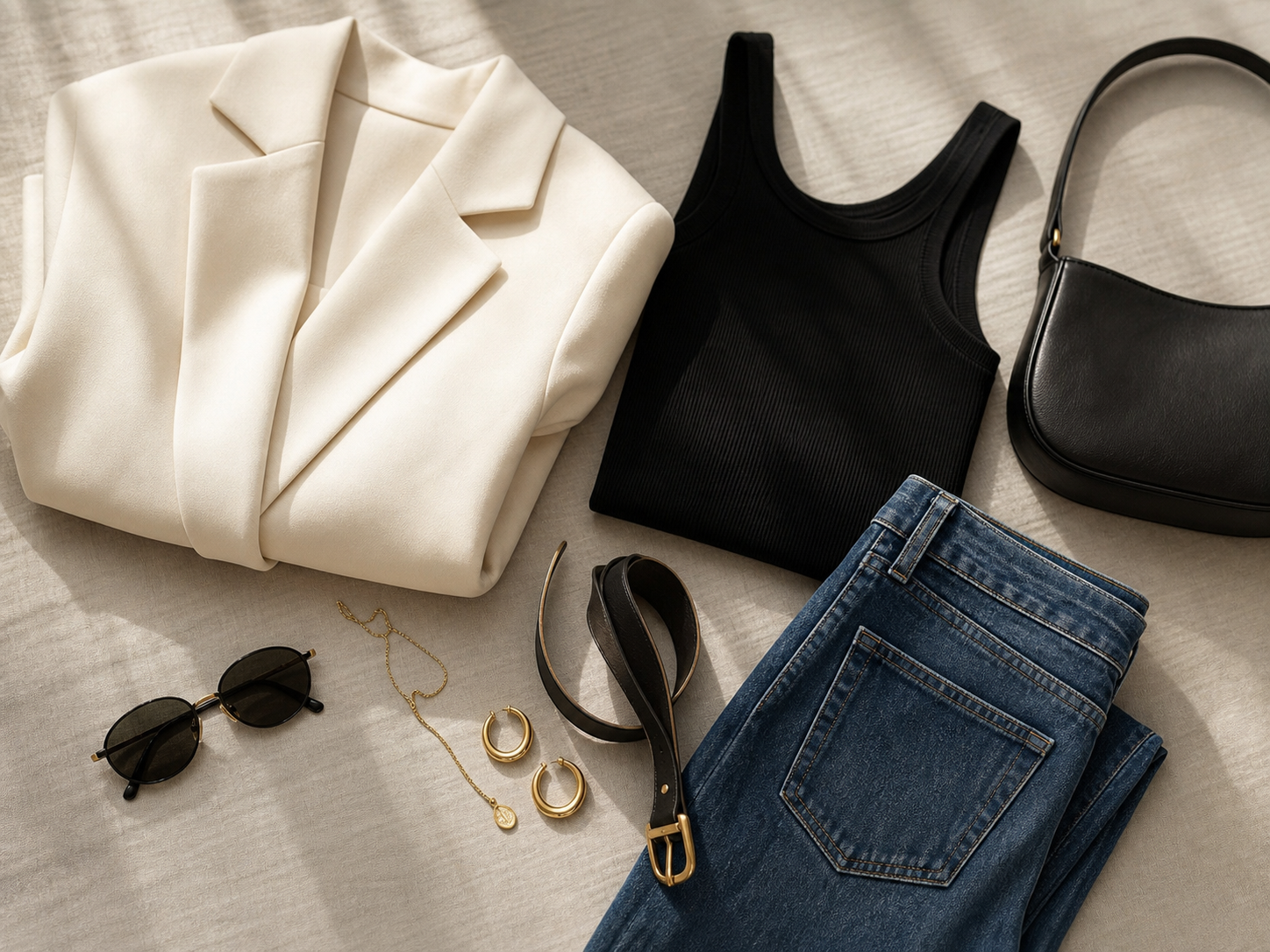
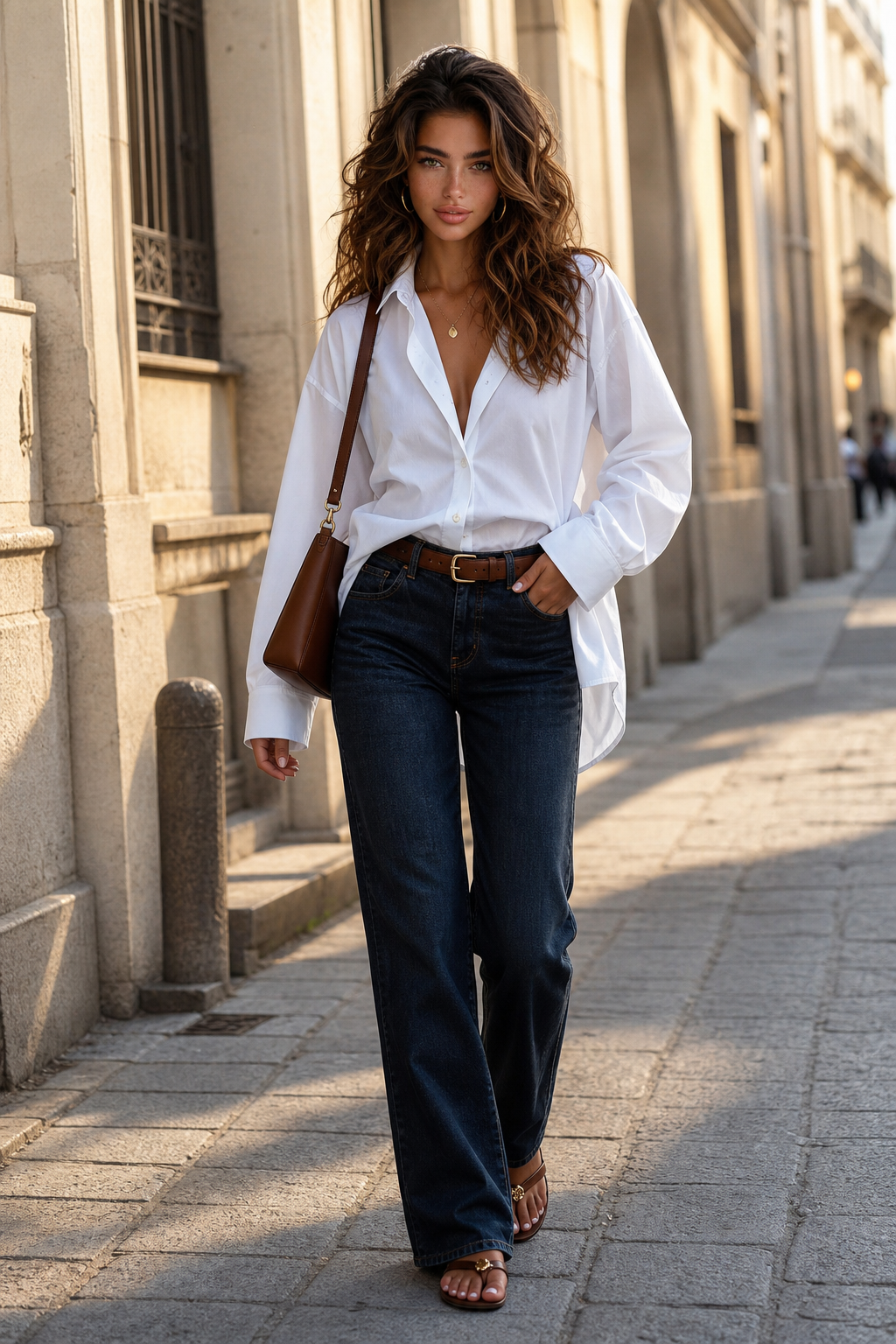
This is a researched buying guide, not a claim that Lila personally tested every marketplace listing. The local editorial photographs show wardrobe context rather than the exact branded hangers. Use the garment’s care label and construction as the authority, particularly for heavy coats, beaded pieces, leather, or vintage clothing that may need specialist storage.
Compare the shopping options
| Option | Best for | Advantage | Consider before buying |
|---|---|---|---|
| Zober Wooden Suit Hangers | Structured blazers and suit separates | Broad wooden form with a trouser-bar format to compare | Confirm width and distinguish suit hangers from other Zober designs |
| HOUSE DAY Velvet Suit Hangers | Light layers in closets with limited depth | Slim velvet-covered format with non-slip potential | A thin profile may not support every heavy tailored shoulder |
| MAWA Silhouette Non-Slip Hangers | Silk shirts, camisoles, and lightweight dresses | Slim non-slip metal format that can reduce sliding | Match width carefully; slender profiles are not universal jacket supports |
Measure the garment shoulder before shopping
Take one blazer and one shirt that already fit beautifully. Lay each flat and measure across the back from shoulder seam to shoulder seam, then compare that number with the usable width of the hanger rather than with an optimistic product photograph. A hanger that is much narrower can create a small ridge at the sleeve head. One that extends beyond the seam can press outward and make the shoulder look peaked. The right width lets the fabric fall from its own construction.
This matters most for jackets that have a defined shoulder line. A cream blazer photographed for a fitting, meeting, or dinner should keep the same calm architecture it had when it left the tailor. Lila checks the garment at eye level after hanging it, just as she would check an outfit in a mirror before a casting: look for a clean collar, an unstrained lapel, and sleeves that drop without a bump. If the hanger changes the silhouette, it is not a good storage solution simply because it looks polished on a rail.

Give blazers a shaped, broad support
A shaped wood or broad-shoulder suit hanger is the format to compare for a blazer that has padding, canvas, a strong sleeve head, or a tailored chest. The purpose is support, not luxury theatre. Look at the shoulder contour, the neck area, and whether the bar below is useful for the trousers that belong with the jacket. A smooth wooden finish can be a practical choice when it is free of rough edges that might catch lining or knitwear.
Zober Wooden Suit Hangers are a useful search route when you want to compare a broad wooden format with a trouser bar and notches. Their advantage is the more substantial outline to assess beside a structured jacket. Their limitation is that wooden hanger packs can vary in width and detailing, while similar listings may show skirt or standard-shirt versions. Match the stated measurements to your blazer, and do not hang several heavy pieces from one hanger because the closet looks coordinated. Each jacket needs its own support and air around the sleeve.
Use non-slip profiles for silk and fluid shirts
Silk, satin, viscose, and fine camisoles need a different question: will the garment stay put without a hard edge marking the fabric? A slim non-slip profile can make sense when shirts slide off standard plastic or wood, especially in a narrow wardrobe where an open door or rushed morning can jostle the rail. Check that the coating is intact and smooth. A grippy surface is useful; one that sheds, snags, or transfers color to a damp garment is not.
MAWA Silhouette Non-Slip Hangers are worth comparing for a slender metal format intended to hold lightweight pieces. The benefit is closet efficiency alongside a surface designed to reduce slipping. The limitation is proportion: a very narrow hanger can be wrong for a jacket, and a lightweight shirt may still need a width that reflects its shoulder shape. Lila keeps a chestnut silk shirt buttoned at the top two buttons on the hanger so the collar lies calmly. She never uses the hook or a hanger notch to pull a delicate strap into tension.
Make a small closet work without crushing the clothes
A tightly packed rail can wrinkle a wardrobe even when every hanger is technically beautiful. Begin by measuring the rail length and the hanging depth from wall to door. Then edit by category: tailoring, shirts, dresses, knitwear, and occasional pieces. The goal is not to make every hanger identical at once. It is to stop a blazer from being wedged against a sequin dress, or a silk shirt from being trapped under a bulky coat sleeve.
HOUSE DAY Velvet Suit Hangers are one slim, velvet-covered format to compare if rail depth is the real problem. Their possible advantage is more garments in a limited closet while retaining a non-slip surface. Their limitation is that thin velvet styles do not automatically supply the shoulder support a heavy blazer needs. Use them for appropriately light jackets, shirts, or dresses only after checking the precise contour and load guidance. Lila’s editor rule is simple: edit what you are not wearing before buying storage that encourages overcrowding. A calmer rail makes color, fit, and outfit combinations visible again.
Choose the bar, notches, and hook for real outfits
Details that look minor determine whether a hanger works on an ordinary morning. A trouser bar should hold a crease without creating a harsh fold; notches should guide a dress strap without pulling it outward; a rotating hook can help when the closet rail is tight. Check the actual construction, not only the product title. Some bars are bare wood, some are coated, and some hanger families mix several designs in one search result.
For a suit, Lila may hang trousers by their cuff over a padded or smooth bar when the garment’s care advice and fabric make that sensible. For a silk shirt, she buttons enough of the placket to keep the shoulder line balanced and lets the hem fall straight. For a slip dress, she uses strap notches only if they sit beneath the straps without stretching them. These decisions show in an editorial close-up and in a real closet: clean vertical lines make clothes easier to evaluate before they become an outfit.
Protect fabric, knits, and special pieces differently
Not every garment belongs on a hanger. Fold heavier cashmere and soft knits so the weight does not lengthen the shoulder or leave hanger marks. Use the care label for leather, embellished dresses, and vintage pieces; some benefit from breathable covers, tissue, or professional storage guidance. A hanger guide should make the everyday wardrobe more reliable, not persuade you to ignore the construction of a special item.
Keep the rail dry and clean, too. Dust, rough paint, fragrance overspray, and a damp wall can all affect fabric before a garment is worn. Lila’s warm olive skin and chestnut waves sit beautifully beside tobacco, cream, olive, and black, but the color palette only looks intentional when the fabrics remain fresh. After a long city day or a shoot, let a blouse air briefly if its care instructions allow, then return it to the right hanger rather than folding it damp beneath other clothes.
Shop a deliberate set instead of a matching mistake
Before adding a multipack to cart, count your real categories. You might need eight shaped hangers for blazers and coats, twelve slim non-slip hangers for shirts and dresses, and no additional hangers for folded knitwear. This mixed approach is more useful than buying fifty identical pieces that force every garment into the same shape. It also gives a small wardrobe visual order without turning storage into another trend purchase.
Open the selected Amazon offer and confirm the named brand, model, shoulder width, material, hook, bars or notches, pack count, seller, delivered price, and return conditions. Then do one at-home test before replacing a whole rail: hang a blazer, silk shirt, and light dress for a few days, checking shoulder points and hems in daylight. Lila Voss shops for wardrobe tools the way she edits an outfit: choose what protects fit, supports fabric, and earns repeat use across work, travel, dinner, and the quiet minutes before the camera comes out.