As an Amazon Associate I earn from qualifying purchases. Purchases through these links may earn me a commission at no extra cost to you.
A makeup sponge should fit the products you use and the way you get ready. Lila Voss’s shopping guide compares Real Techniques Miracle Complexion, EcoTools Bioblender, and Beautyblender Original Pink. The useful differences begin with the working surfaces, the exact model name, and the care routine you are willing to maintain.
A small beauty kit can support quiet-luxury tailoring, denim, and evening dresses without growing into a drawer of duplicate tools. Choose an applicator for a real gap in your routine. Shape and handling matter more than the color of the sponge or the number of accessories arranged around it in a product photograph.
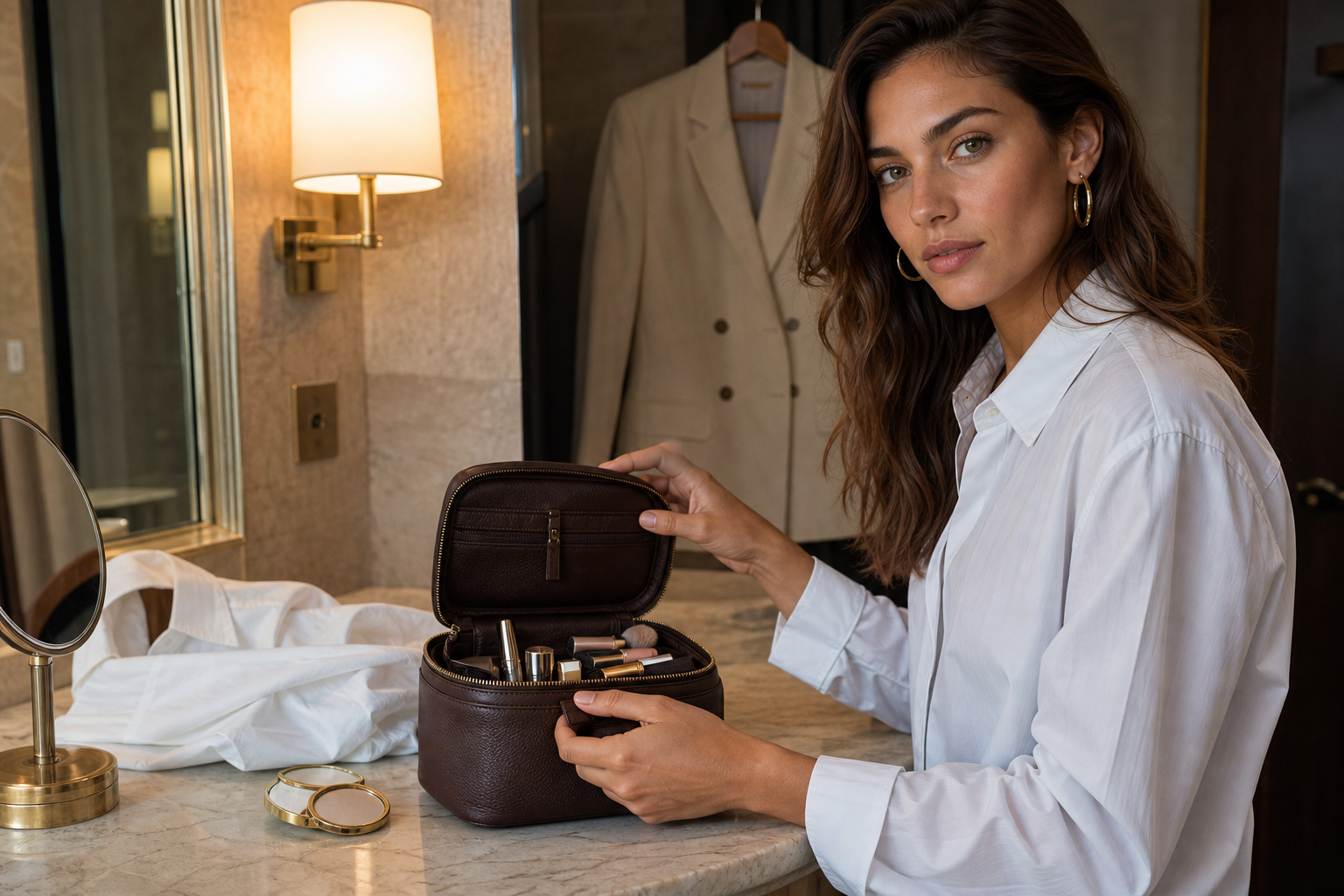
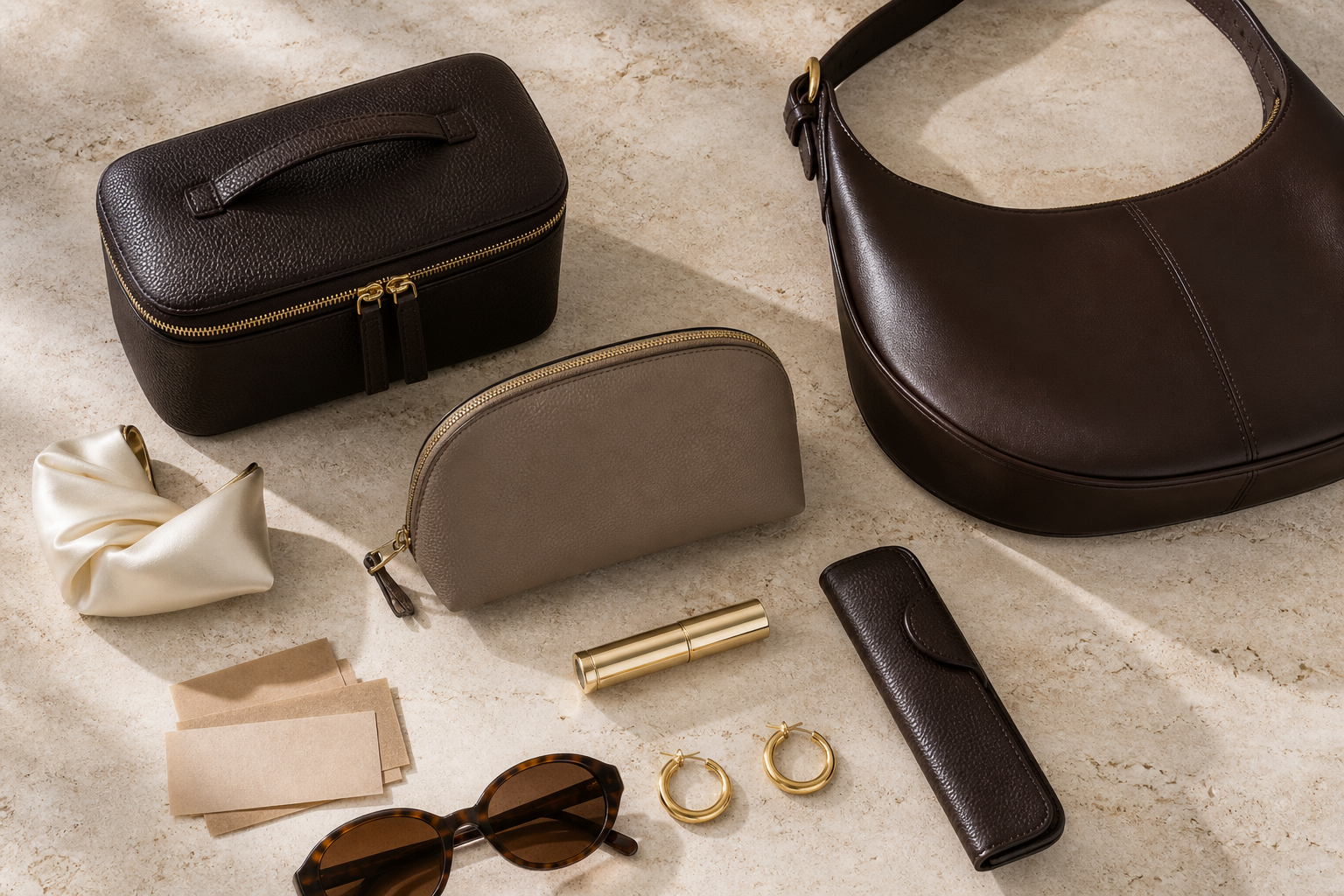
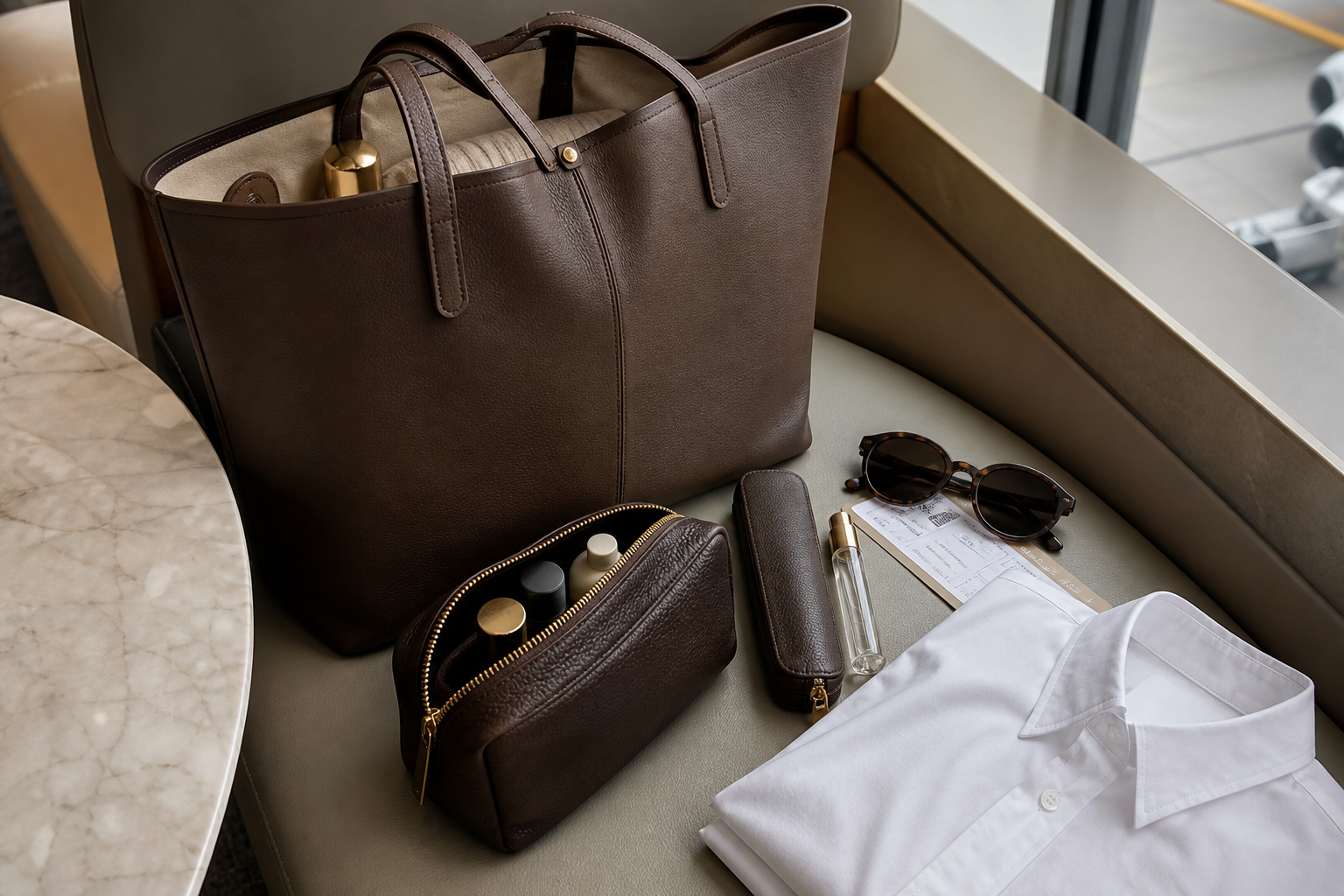
This is a researched buying comparison using current Amazon listings and official product descriptions, without claims of personal testing. The shopping buttons open model-name searches, where variants can appear. Local editorial images illustrate beauty storage, travel, and styling context; they do not show the recommended branded sponges or demonstrate their makeup results.
Compare the shopping options
| Option | Best for | Advantage | Consider before buying |
|---|---|---|---|
| Real Techniques Miracle Complexion Sponge | Shoppers wanting a flat face plus curve and tip | Several defined application surfaces in one sponge | Separate full-size Complexion from Mini and specialist variants |
| EcoTools Bioblender Makeup Sponge | Shoppers comparing an edged sponge shape | Three distinct edges with damp-use directions | Bioblender and Blurring Blender are different model names |
| Beautyblender Original Pink Makeup Sponge | Shoppers preferring an edgeless surface | Continuous rounded format with clear use and care directions | Needs complete drying before enclosed storage |
Start with the makeup you already use
Before buying a sponge, list the formulas in your everyday kit. A liquid skin tint, a cream blush, and a loose powder are different products, even when the same tool can sometimes apply more than one. Match the sponge’s stated uses to your actual routine. A set with several specialist shapes is only useful if those jobs exist in your makeup bag.
Think about where you want control: broad areas, the sides of the nose, or a small concealer placement. A larger rounded surface and a narrow tip solve different handling problems. Product photographs can help explain shape, but they cannot establish how soft the sponge feels in your hand. This guide compares verified design details and instructions rather than ranking untested softness. If a brush you already own gives the finish you like, another tool may be unnecessary.
Real Techniques: compare a flat face, curve, and tip
Real Techniques’ Miracle Complexion instructions describe a flat edge for application, rounded sides for blending, and a precision tip for smaller areas. The brand recommends damp use with liquid and cream products. This is a useful candidate if you want several distinct surfaces in one full-size sponge rather than a collection of separate applicators.
The advantage is a clearly explained shape that you can compare with the way you apply your base. The limitation is the busy product range surrounding it. Amazon results show full-size multipacks, Mini sponges, Concealer sponges, Powder sponges, and travel-case combinations. These are not interchangeable names. Read the selected title and count before comparing cost, and make sure a second item in a duo is another sponge rather than a case or a different tool.

EcoTools Bioblender: three edges and an exact model name
EcoTools’ Bioblender description identifies three distinct edges. Its application directions say to wet the sponge, squeeze out excess water, and use a bouncing motion. Current Amazon results include both a single Bioblender and a duo. Compare it if you want an edged shape and prefer to start with one sponge before deciding whether a spare belongs in your routine.
The model name is especially important here because Blurring Blender also appears in the same results. Choose the product you researched rather than assuming every EcoTools sponge has the same construction. The advantage is a defined shape with several working edges; the limitation is the need to distinguish the variants carefully. Packaging language about disposal is also separate from makeup performance. Read the current product’s disposal instructions and relevant local requirements rather than assuming a general environmental claim describes every disposal route.
Beautyblender Original: an edgeless alternative
Beautyblender’s Original description identifies an edgeless reusable sponge. The brand directs users to wet it, squeeze away excess water, and bounce it to apply makeup. Its care guidance calls for cleaning after each use and complete drying in a well-ventilated place. It specifically advises against keeping a wet sponge in a closed bag, drawer, or other enclosed space.
Consider this option if you prefer a continuous rounded surface instead of a cut flat edge. That shape is its main distinction in this comparison, not a promise that it will outperform the other two. Amazon shows Original Pink singles and multipacks alongside other Beautyblender products. Check the complete name and contents, especially when a cleanser or another accessory is pictured. A photograph containing several pieces does not establish what is included in the selected offer.
Build a finish around the outfit, not the tool collection
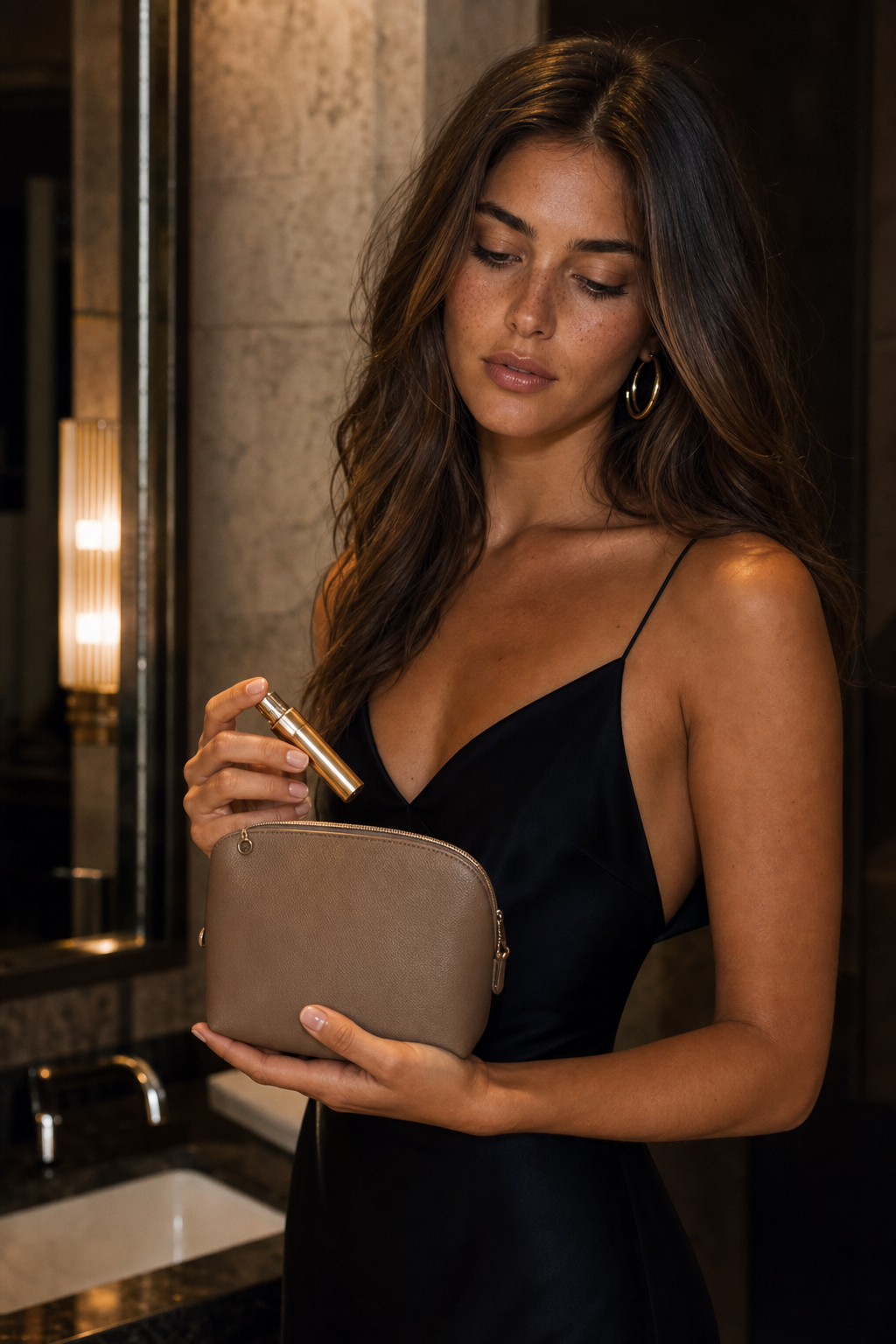
Lila Voss’s Brazilian-Italian fashion-model and style-editor approach starts with the whole look. A soft base, a simple brow, and a restrained lip can sit comfortably beside a white poplin shirt and small gold hoops. A black slip dress may invite a more defined eye or lip while the base remains understated. The sponge is a means of applying the makeup you choose, rather than a reason to add more layers.
Use the formula and tool according to their instructions, then assess the result in useful light before adding more. Look at the face, neckline, and collar together. A foundation shade mismatch will not be solved by buying a different sponge shape. Keep makeup application away from delicate scarf edges and pale shirt collars, and finish getting ready in an order that works for your clothes. Lila’s preference is for a compact kit that supports several outfits without needing a separate tool set for each one.
Make drying space part of the travel decision
A sponge takes up little space when you first pack it, but its care routine needs space too. Identify where it can dry at home and how you will manage it on a trip. Follow the exact maker’s washing, drying, and replacement guidance. Do not assume that every sponge has the same schedule simply because it is reusable or sold beside another model.
For travel, pack a clean, fully dry sponge separately from loose jewelry, sharp cosmetic tools, and products that could leak. A container should fit the sponge without forcing it into a tight corner. If you use it shortly before departure, allow for the drying instructions instead of treating an airtight pouch as a drying solution. Lila Voss’s practical test is whether the tool fits the rhythm of the trip, including the return journey. A brush may be easier for a particular routine, and that is a valid shopping decision.
Compare quantity and care costs before checkout
The shopping buttons open broad Amazon searches for the verified model names. Results can include other sizes, colors, gift sets, cases, and cleansers. Open the actual listing and check brand, model, quantity, seller, delivered cost, and return conditions. Compare like with like: a two-sponge pack and a sponge-plus-case set answer different needs, even when both are described as two pieces.
Choose Real Techniques when the flat face, rounded sides, and tip match your application style. Compare EcoTools Bioblender when its three-edge shape interests you and the exact variant is clear. Consider Beautyblender Original when an edgeless format is the preference. In each case, include cleaning supplies and replacement needs in the decision. Lila’s final buying rule is to start with a tool you can use and maintain consistently, rather than buying the largest bundle before you know your preference.