As an Amazon Associate I earn from qualifying purchases. Purchases through these links may earn me a commission at no extra cost to you.
A pillowcase can be a small part of a carefully edited beauty and travel kit, but the buying decision starts with fabric and fit. Lila Voss’s shopping guide compares Kitsch Ivory Satin, Blissy White Standard Silk, and the Slip silk pillowcase range. Each gives you a different combination of material, measurements, and purchasing options to check.
The aim is a useful textile that works with your existing pillow and laundry routine. Treat it with the same attention you give a silk shirt or a favorite scarf: read the composition, understand the construction, and choose something you can look after. A beautiful color should be the final decision rather than the only decision.
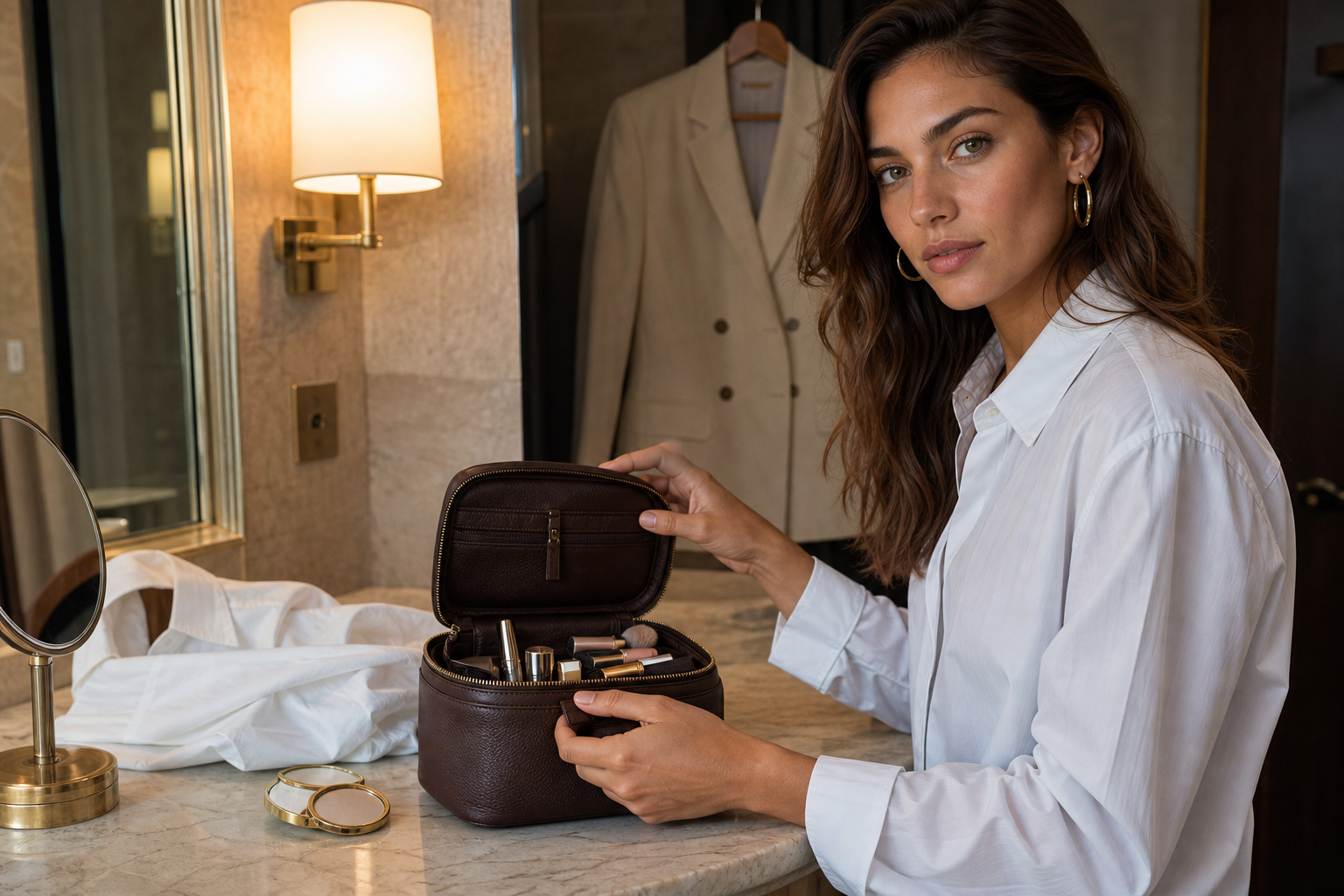
This is a researched comparison using current Amazon results and official brand information, without personal product testing or promised skin, hair, or sleep outcomes. The local editorial images show fabric, beauty organization, and travel context. They do not depict the recommended branded pillowcases or demonstrate their performance.
Compare the shopping options
| Option | Best for | Advantage | Consider before buying |
|---|---|---|---|
| Kitsch Ivory Satin Pillowcase | Shoppers considering polyester satin | Zippered format with single and set options | Check measured fit; satin is not a silk declaration |
| Blissy White Standard Silk Pillowcase | Shoppers wanting a specified zippered silk case | 22-momme mulberry silk with clear size guidance | Fabric weight alone does not establish personal comfort |
| Slip Pure Silk Pillowcase | Shoppers comparing silk closure formats | Envelope and zippered options in the range | Match the exact size, opening, and pack count |
Read fiber content before comparing the shine
Silk names a fiber; satin describes a weave. A satin surface can be made from silk or from another fiber, including polyester. That distinction is useful beyond bedding: it is the same label-reading habit that helps when shopping for a camisole, scarf, or slip dress. A glossy photograph alone cannot tell you what the fabric contains.
For this purchase, decide whether you specifically want silk or simply want to compare a smooth woven surface. Then read the composition of the selected product. Do not treat words such as silky, luxury, or beauty as a fiber declaration. Lila’s approach is to write the material beside each candidate before considering color. That keeps the shopping comparison clear when several visually similar cases appear together in Amazon results.

Kitsch Ivory: a polyester-satin option with a zipper
Kitsch’s Ivory pillowcase description lists a zippered Standard/Queen format measuring 26 by 19 inches. The brand describes its satin pillowcases as polyester, and Amazon currently shows Ivory singles and sets alongside other colors and sizes. This is the option to compare when a satin surface is the priority and you are not specifically buying silk.
The practical advantage is a closure that encloses the pillow, with several purchasing formats to consider. The limitation is that the size name can hide a meaningful measurement difference. Do not assume a case labeled Standard/Queen will fit every pillow sold under either name. Check the selected item’s dimensions and composition again at checkout, particularly if you change from a single case to a set. A print or bundle is not a reason to skip the label.
Blissy White Standard: silk with a specified size
Blissy’s White Standard specifications identify 100% mulberry silk, a 22-momme fabric weight, and a hidden zipper. Its size guidance pairs Standard with a 20-by-26-inch pillow, Queen with 20 by 30 inches, and King with 20 by 36 inches. This makes it a useful candidate for shoppers who want silk and a clearly described zippered format.
Compare the dimensions with the pillow you own rather than choosing a size to match the bed. The useful feature here is the combination of a named fiber and an enclosed opening. The limitation is that neither a silk label nor a fabric-weight number tells you how the complete setup will feel to you. Pillow filling, fullness, and your own preferences remain part of the decision. This guide does not report an overnight comfort test or promise a beauty result.

Slip: compare the closure as carefully as the fabric
Slip’s official product information describes its pillowcase silk as pure mulberry silk at 22 momme. The range includes Queen Envelope, Queen Zippered, and King Zippered categories. Amazon results also show sets. Consider Slip if you want to compare different openings within a silk range, then narrow the shopping search to the exact size and closure you prefer.
An envelope opening uses a fabric overlap, while a zipper closes the opening with hardware. Neither design is automatically right for every pillow. Think about how you change the case and which arrangement you find easiest to manage. The advantage is the choice of formats; the limitation is the need to inspect the selected variant. A review of one closure does not establish the construction of another, and a set price is not the price of a single case.

Check fit with the pillow, not the bed size
Measure the pillow’s length and width and compare them with the maker’s guidance. Also consider its fullness. A very plump pillow can put more tension on a close-fitting case than a flatter one of the same nominal dimensions. The goal is an even surface and an opening that closes without force, not a stretched fabric shell that changes the shape of a pillow you already like.
When the order arrives, inspect seams, the opening, and the label within the seller’s return conditions. Make sure the selected size is the size delivered before washing or using it. Keep the packaging until you have completed that check. Lila Voss brings the same proportion-first thinking to wardrobe shopping: fit is the relationship between two things, not just a word printed on a label. A beautiful fabric is less useful when the dimensions are wrong.
Plan laundry and packing before adding a travel spare
Read the exact case’s washing and drying directions before buying. A care routine you cannot maintain is part of the cost of ownership, even when the initial price looks appealing. Do not transfer detergent, temperature, or drying advice from a polyester case to a silk one. Keep the label available so the person doing the laundry can follow the right instructions.
For a city break, a familiar pillowcase is an optional addition to the beauty and travel kit. Check whether it is likely to fit the pillow at your destination, and pack it clean and dry in a separate pouch. Give the used case its own place for the return journey. Choose a color you can recognize easily among the room’s bedding, and include it in your departure check. Buying an extra case only makes sense if it will actually travel with you.
Choose a calm color and a purchase you will keep using
Lila Voss’s Brazilian-Italian fashion-model and style-editor perspective favors a considered palette and useful repetition. Ivory, muted pink, charcoal, or another familiar color can sit comfortably beside a small travel wardrobe and a simple beauty pouch. The case does not need to match every accessory. A favorite color is enough if the fabric, measurements, and care routine already make sense.
The shopping links open broad Amazon searches for the named products, rather than fixed listings with guaranteed variants. Confirm the brand, fiber, size, closure, pack count, seller, delivered cost, and return conditions on the actual item. Compare Kitsch when polyester satin suits your brief, Blissy for a specified zippered silk format, and Slip when closure choice is a priority. Lila’s final check is whether the purchase will become part of a manageable routine rather than another unused travel extra.