As an Amazon Associate I earn from qualifying purchases. Purchases through these links may earn me a commission at no extra cost to you.
The best silk square scarf for warm olive skin is usually a 27- to 35-inch square in real silk twill or silk satin, with warm ivory, tobacco, olive, rust, ink, or muted gold near the face. Choose 27 inches for a crisp neck knot, ponytail, or bag handle; choose 35 inches when you want shoulder coverage or a softer head wrap. Lila Voss checks fiber content, finished measurements, and print scale before color. A beautiful scarf should make chestnut waves and hazel-green eyes look clearer, then work again with denim, tailoring, and a dinner dress.
As a Brazilian-Italian fashion model and style editor, Lila treats a scarf as a proportion tool, not an afterthought. On a shoot, its line can lengthen an open shirt collar or bring useful warmth toward the face. In a real closet, it has to survive a taxi, a windy pavement, and a shoulder bag without looking over-arranged. The right square is light enough to move, substantial enough to hold a knot, and quiet enough to earn repeat wear.
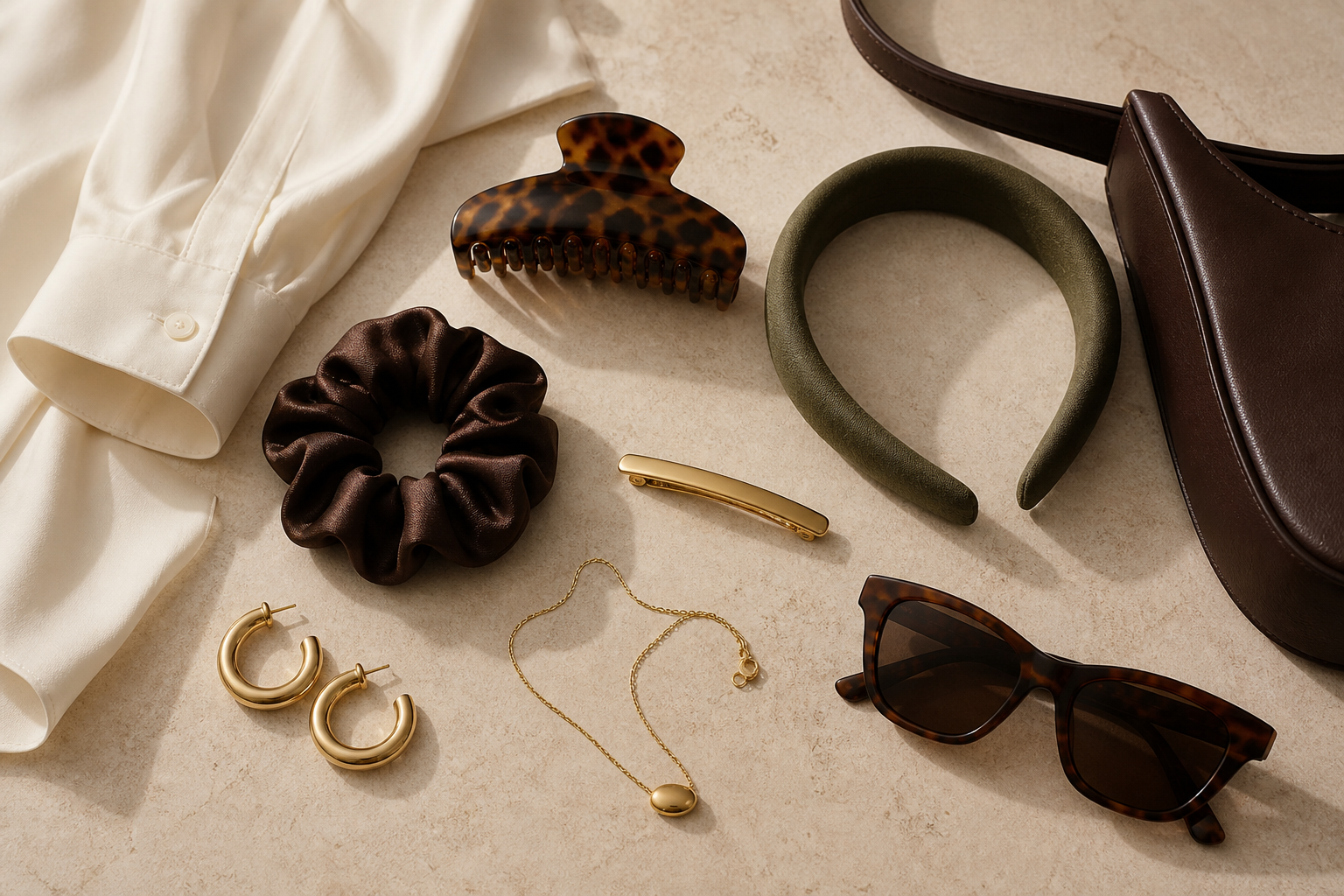
This is a researched shopping guide, not a claim that Lila personally tested every listing. The buttons open Amazon searches for a 27-inch silk twill square, a 35-inch silk satin square, and a minimal gold scarf ring. Confirm the exact fiber, dimensions, seller, current price, care label, and return conditions. The editorial images show styling context only; they do not depict the named shopping products.
Start with the job, then choose the square size
A scarf that lives at the neck needs a different scale from one that covers the shoulders. Around 27 inches gives enough fabric for a compact bias fold, a small triangular bib, or a low ponytail tie. It is the more practical first buy when your closet leans toward blazers, white poplin shirts, and clean denim. The knot stays visible without swallowing a lapel or adding a thick layer under a coat collar.
A 35-inch square gives more surface area and a more relaxed drape. It can sit over the shoulders during a cool dinner, make a soft head wrap for a travel day, or fold into a wider neck triangle with a simple tank. More fabric also means more visual weight. Lila checks the mirror from several steps back: if the scarf reaches wider than the jacket shoulder or covers the waist completely, a smaller square may give the outfit a cleaner line.
Read silk twill and silk satin as different outfit textures
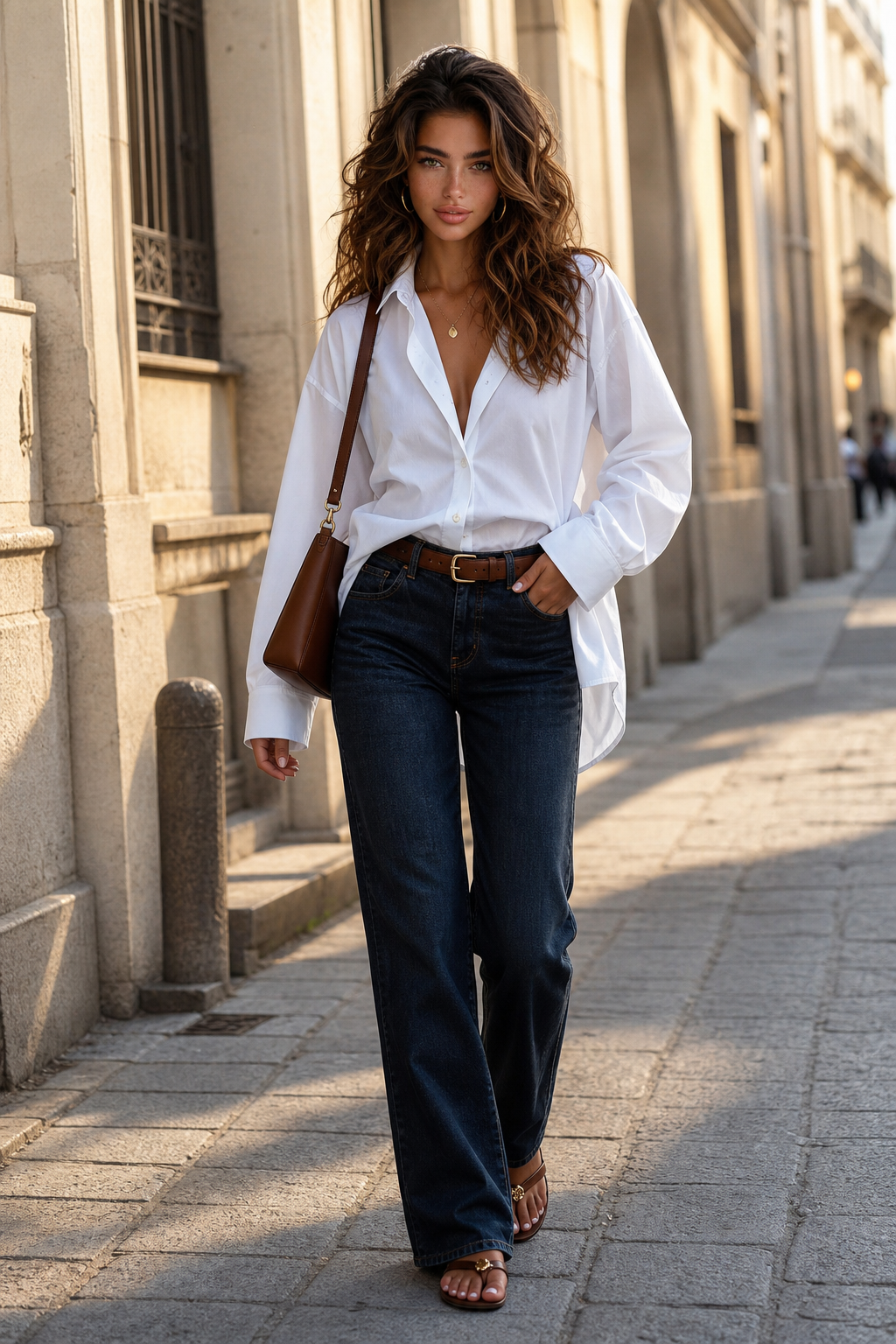
Silk twill has a subtle diagonal rib and enough grip to hold a small knot. It is especially useful with matte cotton poplin, denim, wool, and tailoring because the texture reads polished rather than slippery. A printed twill square can stay neat at the throat through a long city day, which is why Lila reaches for it with cream trousers, espresso loafers, and an open collar before a casting or lunch appointment.
Silk satin catches more light and drapes more fluidly. That can be beautiful beside a black slip dress or fine knit, but a very glossy finish can turn busy under flash or against a shiny blouse. Search results frequently describe polyester as satin, so the word satin alone does not confirm silk. Read the material line, then use product photos and customer images to judge sheen. Fabric is what decides whether the scarf looks sensual and intentional or merely slippery.

Choose colors that brighten warm olive skin
Warm olive skin often comes alive beside softened, earthy color rather than icy pastels or hard optic white. Lila looks for tobacco, cinnamon, moss, deep teal, muted marigold, warm cream, and dark ink in a print. Those tones echo chestnut waves, bring gold jewelry forward, and keep hazel-green eyes visible in window light. A scarf does not have to match the outfit; it needs a relationship with the colors already close to the face.
Try the scarf with bare skin in daylight before making it a permanent closet piece. If beige makes the complexion look flat, look for a cream ground with rust or olive instead. If black feels severe, use an ink, chocolate, or dark green border. Small hits of warm gold can photograph beautifully beside freckles and a simple hoop, while a whole field of yellow may compete with the face. The goal is a living palette, not a perfectly coordinated costume.
Keep the print scale in proportion with your clothes
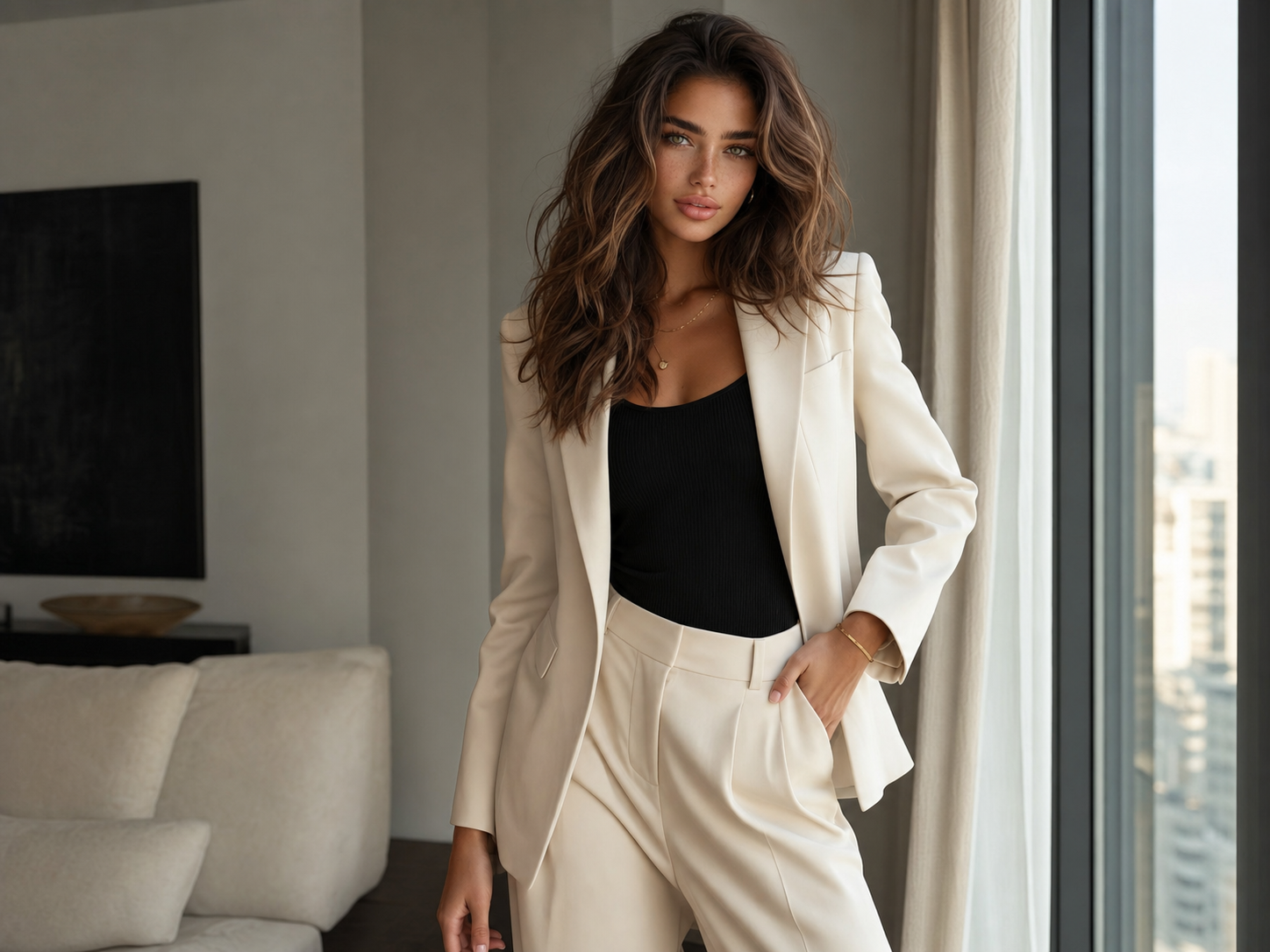
A small, dense print reads almost like texture when the outfit has broad planes: a cream blazer, dark straight-leg denim, or a black linen dress. A larger border or open floral can work with a plain tank and tailored trousers, where there is enough visual space for it to breathe. Lila avoids combining a crowded scarf with a busy blouse, loud handbag, and statement earring all at once. One clear focal point makes product visibility stronger in photographs and easier in real life.
Hold the folded scarf under the chin and take one ordinary phone photo. The camera catches whether the print interrupts the face, whether the border lands at an awkward point, and whether the knot becomes too bulky. A model can make a dramatic scarf look effortless in a still, but a real closet needs a version that works while ordering coffee, carrying a tote, and turning into wind. That is the distinction worth shopping for.
Use a scarf ring only when it simplifies the shape
A minimal gold scarf ring can hold a soft neck loop or secure fabric on a shoulder-bag handle without the bulk of a large knot. It is useful when the scarf is too smooth to stay put, or when you want the fabric to fall in a clean V over a tank. Check the ring opening against the scarf weight. A tiny ring can pinch a thicker twill; an oversized ring can look disconnected from a compact square.
Lila prefers a smooth, restrained gold finish because it repeats the warmth of her jewelry without asking the scarf to become hardware-heavy. Examine edges in marketplace images and read the dimensions. Rough seams can catch delicate silk, while exaggerated logos can make a quiet-luxury outfit feel less personal. If a simple hand knot already holds well, skip the extra purchase. The accessory should solve a practical styling problem, not create one.
Build three repeat outfits before adding it to cart
For a model-off-duty morning, fold a 27-inch twill square on the bias and knot it loosely beneath the collar of a white poplin shirt, dark denim, and suede loafers. Keep the ends short so the shirt and body stay visible. For a travel day, tie the same square around a low ponytail or the handle of a structured tote, then let a trench, knit, and clean sneaker carry the silhouette.
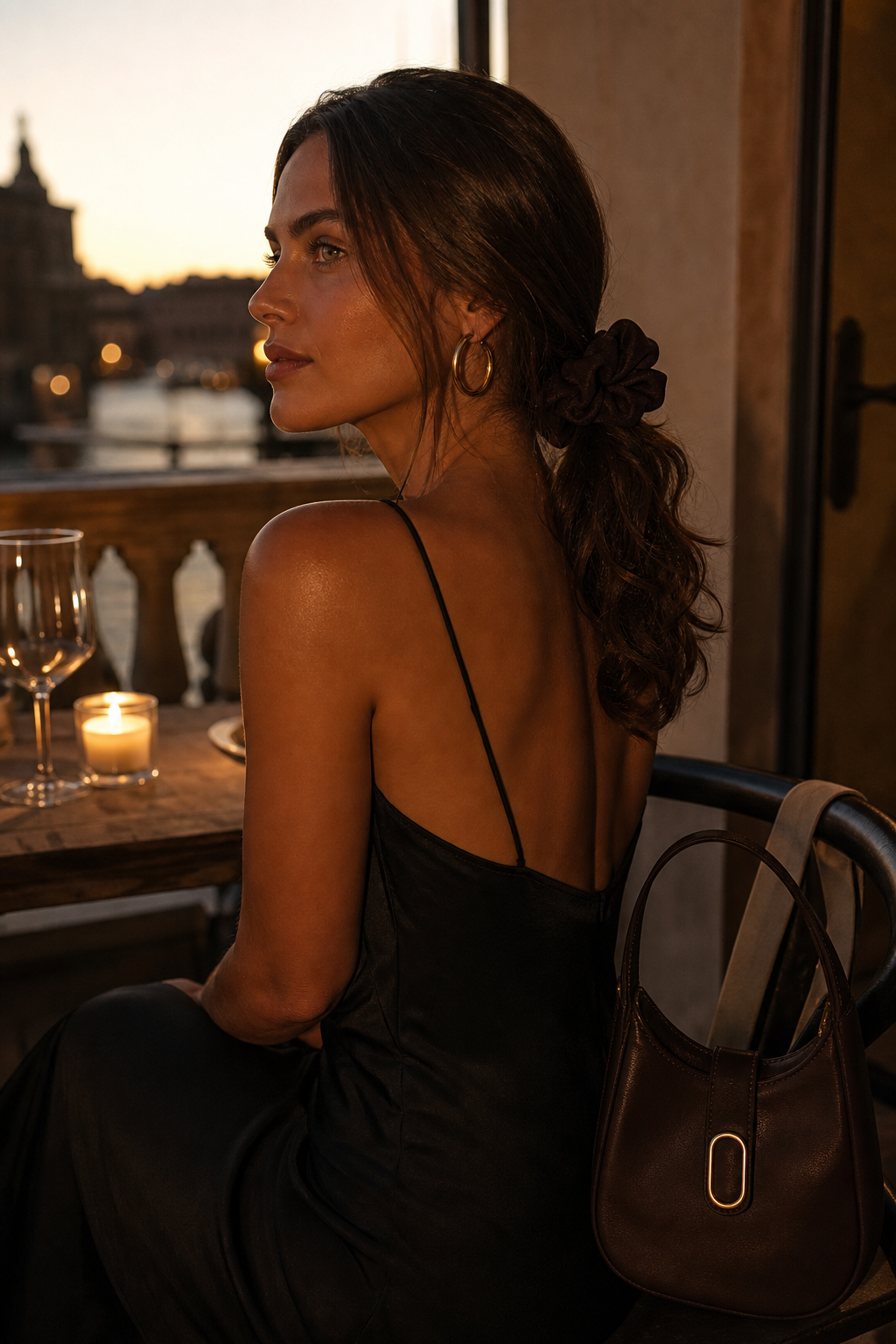
For dinner, place the larger satin square over one shoulder with a black slip dress, or use a scarf ring to keep a shallow V at the collarbone. Warm gold hoops and a chocolate shoulder bag are enough; do not add competing necklaces. Lila Voss buys accessories with three concrete wears in mind because that makes shopping more honest. If the scarf only makes sense with an imagined vacation outfit, save it. A good piece returns to the closet all month.
Shop fiber, edges, and care with the same attention as color
Before checkout, verify the finished size rather than trusting a styled photograph. Check whether the listing says 100 percent silk, silk blend, or polyester; those fabrics feel and behave differently at the neck and in a knot. Zoom in on rolled or hand-rolled edges, look for a print that remains clear at the border, and read reviews for color transfer or rough finishing. Marketplace product names often group several materials and sizes together.
Care is part of repeat wear. Follow the selected label, keep fragrance and hair products away from the silk when possible, and store the scarf folded loosely and dry. A small snag or lipstick mark can become obvious in a close photograph, so a washable substitute may be smarter for a rain-heavy day. Lila's final test is simple: does the scarf flatter the face, work with the clothes already owned, and make a real outfit feel more composed without adding fuss? If yes, it has earned its place.