Choose an eyelash curler by starting with the curve of your lash line, not the most dramatic before-and-after photo. The frame should sit close to the roots without pinching the lid, reach the outer lashes without pressing the inner corner, and close with a clean, intact pad. Curl on clean, dry lashes before mascara, using two or three light pulses instead of one hard squeeze. Then check the result in ordinary daylight and phone camera view. If the curler skips the outer lashes, leaves a sharp bend, or feels frighteningly close to the skin, it is the wrong shape or technique for you.
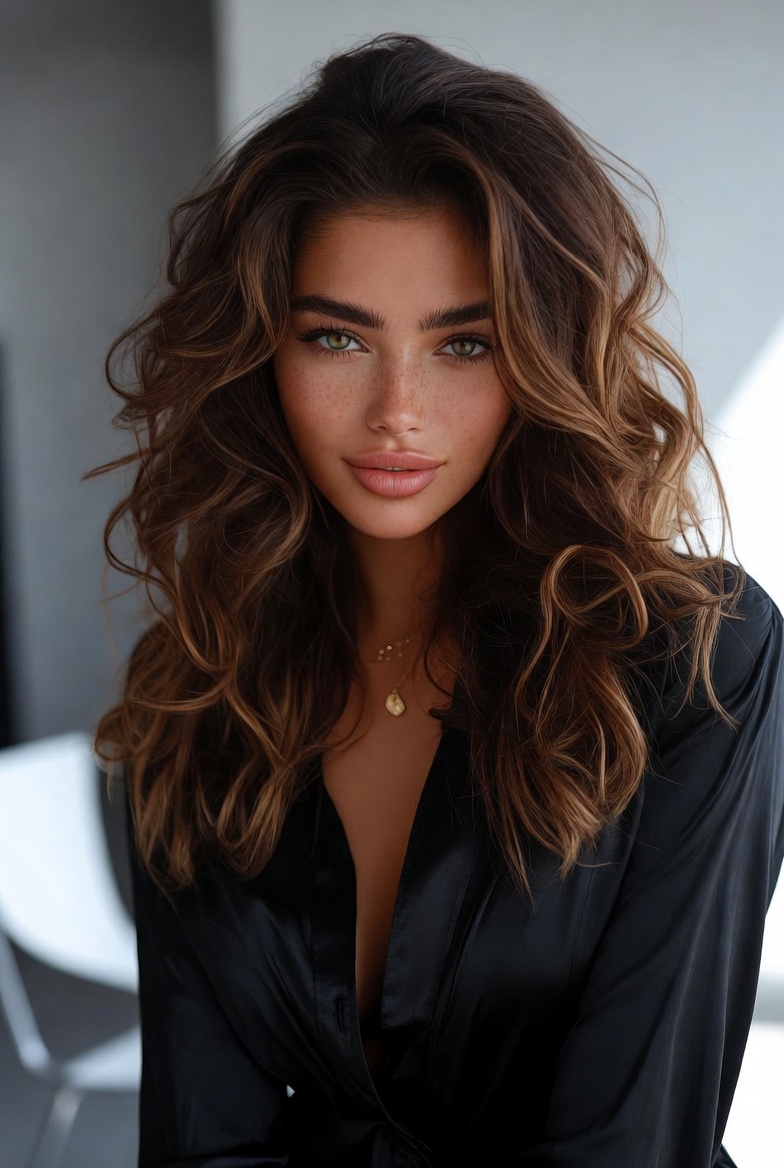
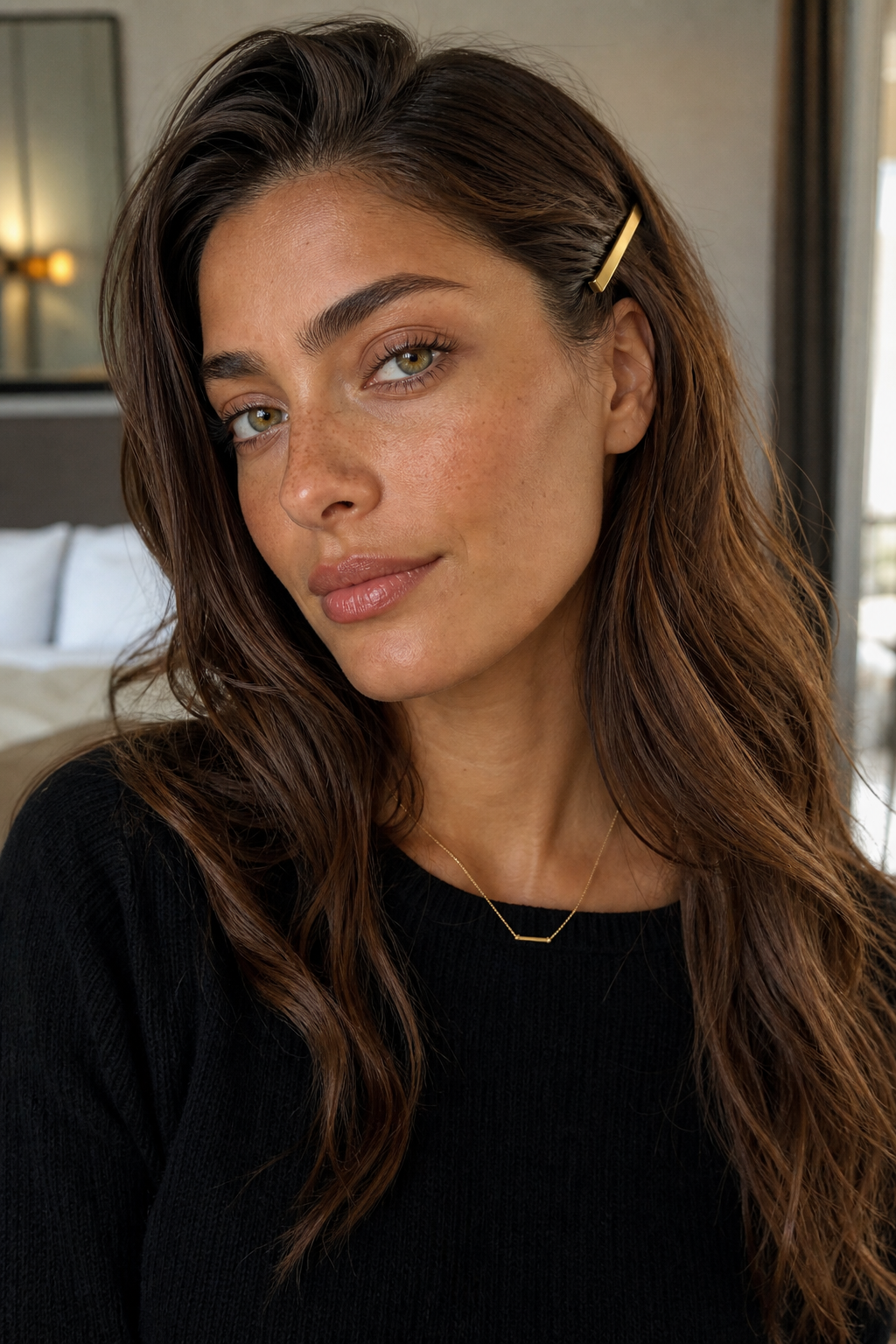
Lila Voss is a Brazilian-Italian fashion model and style editor, so she treats a beauty accessory as part of the same proportion work as a blazer shoulder or a gold hoop. Her warm olive skin, hazel-green eyes, and chestnut waves look best when the eye area stays lifted but believable. A soft curl keeps the lashes visible in a close portrait, a fitting-room mirror, and restaurant light without turning makeup into the loudest part of the outfit.
The shopping cards below open product searches rather than individually tested listings. Compare the exact model, replacement-pad availability, seller, price, and return terms before checkout. Editorial images show Lila’s real-closet beauty and outfit context; they do not prove that a particular curler will fit every eye or create a guaranteed result.
Read your eye shape before choosing the frame
An eyelash curler is a small metal frame, but its arc matters. Hold one open against the eye without closing it. The curve should follow the upper lash line closely enough to reach the roots, yet leave a little visual breathing room at the lid. A very round eye may prefer a more pronounced curve; an almond eye may find a shallower, wider frame calmer. These are starting points, not fixed categories. Your lash line is the useful measurement.
Check width as well as curvature. A frame that is too narrow can leave the outer lashes flat, while one that extends too far may crowd the inner corner. Lila checks both eyes in a mirror because symmetry on the face is rarely absolute. The correct tool feels steady and unremarkable; it lets her work close to the roots without twisting the wrist, widening her eye, or holding her breath.
Inspect the silicone pad before pressure
The pad is where the lashes meet the tool. It should look smooth, evenly seated, and free from dents, splits, or makeup buildup. A worn pad can create a sharp crease or make the curler feel harsher than it needs to. Before buying online, look for clear mention of replacement pads and confirm that they match the exact model. A beautiful handle is not useful if the pad cannot stay clean and supportive through repeat wear.
Lila’s editor rule is simple: do not compensate for a tired pad with more pressure. That is like pulling a blazer button harder instead of checking the fit. Wipe the curler according to its care instructions, let it dry fully, and replace a damaged pad. A soft, intact contact surface creates a rounded lift that reads polished beside warm gold jewelry and a bare, open collar.

Use small pulses for a soft camera-ready lift
Start with bare, dry lashes. Look down into a mirror, guide the open frame to the lash roots, and close it gently for a few seconds. Release, move a fraction toward the middle lengths, and give one more light pulse if you want a softer curve rather than a single hinge-like bend. Curling after mascara can make lashes stiff or tacky, so it is a poor routine for most everyday makeup unless the product instructions explicitly say otherwise.
Camera-readiness comes from a curve that still looks like a lash, not a dramatic angle. In a phone portrait, very hard pressure can cast a strange shadow or make the lashes look crimped once mascara goes on. Lila prefers a lifted root and separated tips: enough definition for hazel-green eyes to stay open through a long travel day or late dinner, while the rest of the face remains warm and relaxed.
Compare three curler shapes as shopping routes
The e.l.f. Pro Eyelash Curler is a search route for shoppers who want an ergonomic-handled manual curler with a spare pad to compare. Tweezerman ProCurl is a relevant route when you are looking at a model described for round or prominent eyes and a rounded silicone pad. Revlon Extra Curl is another manual option to inspect for its finger grips and rounded pad. These descriptions identify useful comparison points; they are not a ranking or a promise that one curve fits every eye.
On the retailer page, confirm the full name rather than assuming a similarly named Classic, ProMaster, refill, or bundle is identical. Look at recent listing photographs, the included pads, and the return conditions. Product visibility can be confusing when marketplace results mix several tools together. Your best buy is the one whose curve, grip, maintenance, and price all make sense for a tool you will actually use on quiet mornings.
Build the rest of the eye area around proportion
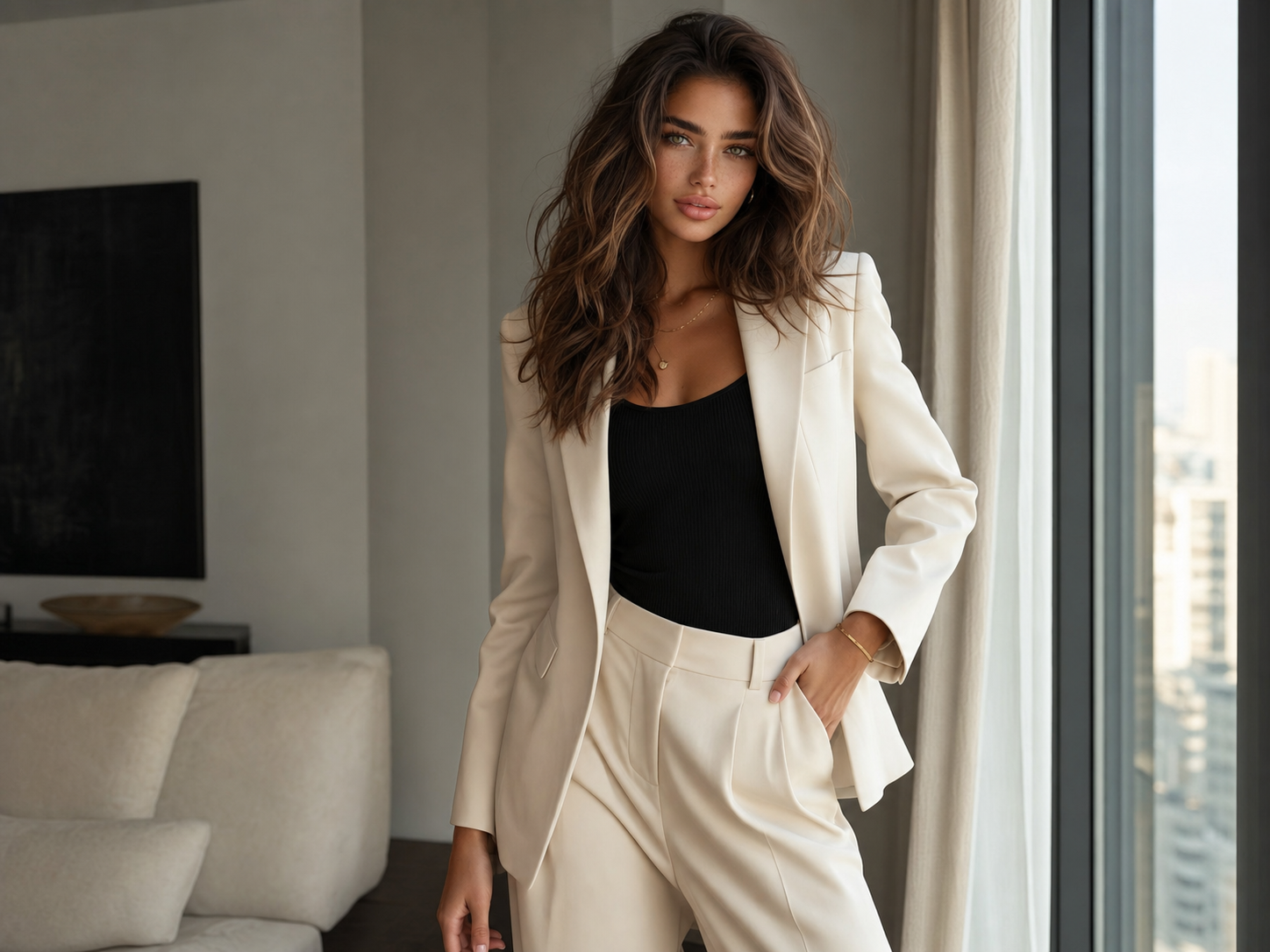
A curled lash changes the frame around the eye, so keep the rest of the look disciplined. Lila often pairs a softly lifted lash with brushed brows, a neutral lid, and medium gold hoops. The curve opens the eye area without competing with chestnut waves or a cream tailored blazer. When the lash line looks clean, the face can carry more texture in silk, knitwear, or warm leather without the outfit becoming busy.
For an editorial appointment, she checks the result in window light before leaving. For a dinner, she checks it under a warmer lamp and sees whether the mascara has transferred or the curl feels too severe. This is not vanity for its own sake; a practical mirror test stops a small accessory from becoming a distraction in photographs and in real conversation.
Pack a curler for travel without damaging the pad
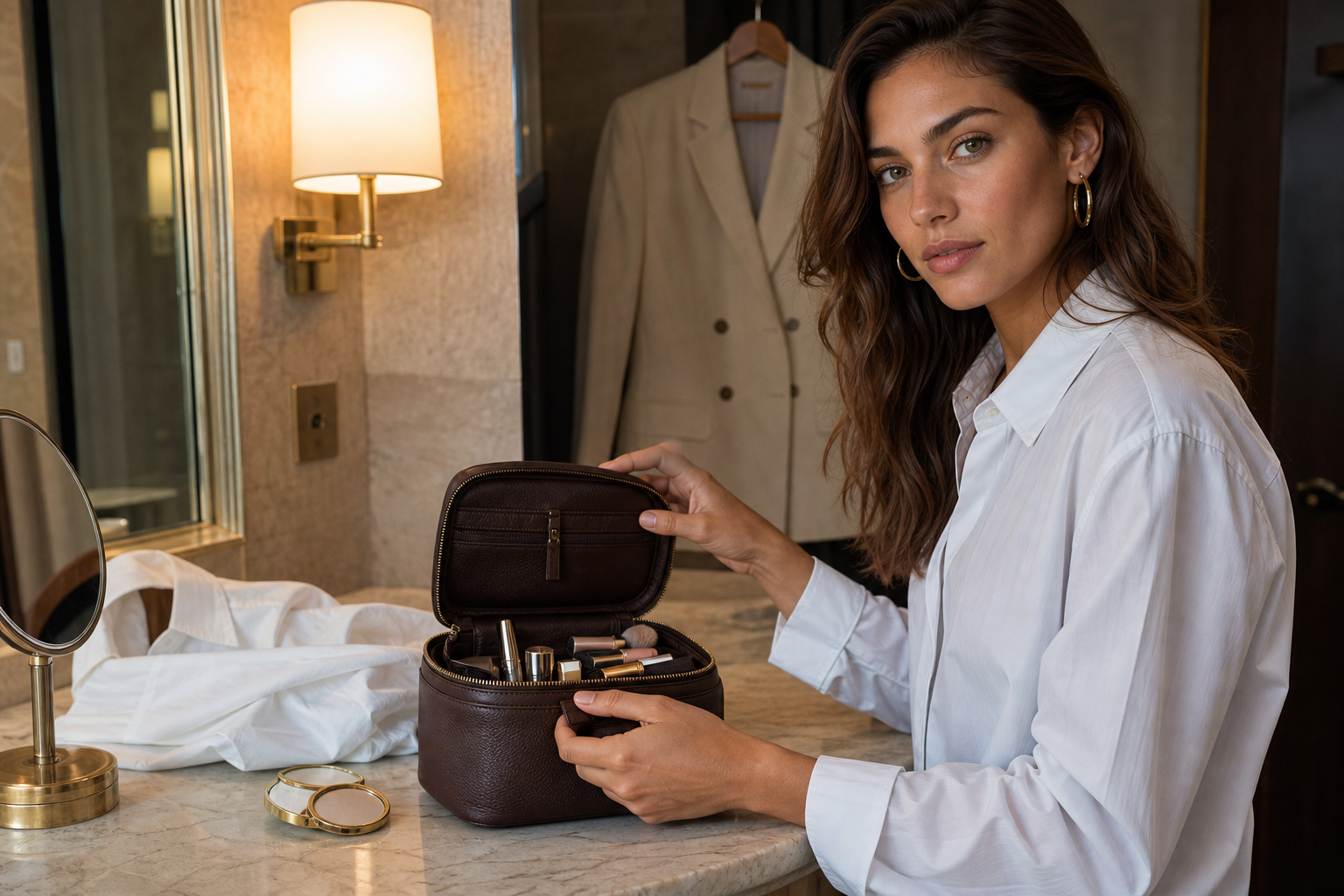
A curler belongs in a clean, dry cosmetics case rather than loose beside keys, chargers, or hard jewelry. The frame can bend and the pad can collect residue when it rattles around a tote. If you travel with one, close it gently, keep it away from moisture, and check the pad before using it after arrival. A compact beauty accessory should make a travel day easier, not add one more fragile object to manage.
Lila packs it only when it will earn repeat use: for a flight followed by a fitting, a small dinner bag after hotel check-in, or a shoot. She wants her eyes to read fresh without carrying a whole makeup kit. That restraint is part of her quiet-luxury wardrobe. Buy the accessory that supports the clothes, the schedule, and the face you already have.
Make the final purchase after a calm fit test
Once a curler arrives, test it before committing to a full makeup look. Clean hands, dry lashes, a mirror, and a few gentle pulses are enough. Check each eye from the front and side. The curler should not pinch, tug, or force you to pull the eyelid taut. Stop if it feels unsafe or uncomfortable, and follow the retailer’s return process while the item remains eligible.
A good eyelash curler earns its place by being boringly reliable. It gives Lila Voss a soft lift for a coffee meeting, a polished portrait, or an evening outfit with a black slip dress and gold jewelry. It does not need to transform the face. It needs to work with a real routine, respect the eye area, and disappear back into the beauty kit when the work is done.