As an Amazon Associate I earn from qualifying purchases. Purchases through these links may earn me a commission at no extra cost to you.
The right no-show sock stays below the shoe opening, holds the heel without digging in, and has enough thickness for the shoe’s actual volume. Start by trying one pair with the loafers, ballet flats, or sneakers you already wear most. Walk, sit, and look at the vamp from standing height: if the sock peeks out, folds under the heel, or makes the shoe suddenly tight, change the cut or thickness before buying a large multipack. For online shopping, compare the opening shape, heel construction, fiber content, size chart, cushioning, and return terms—not just the promise that it is invisible.
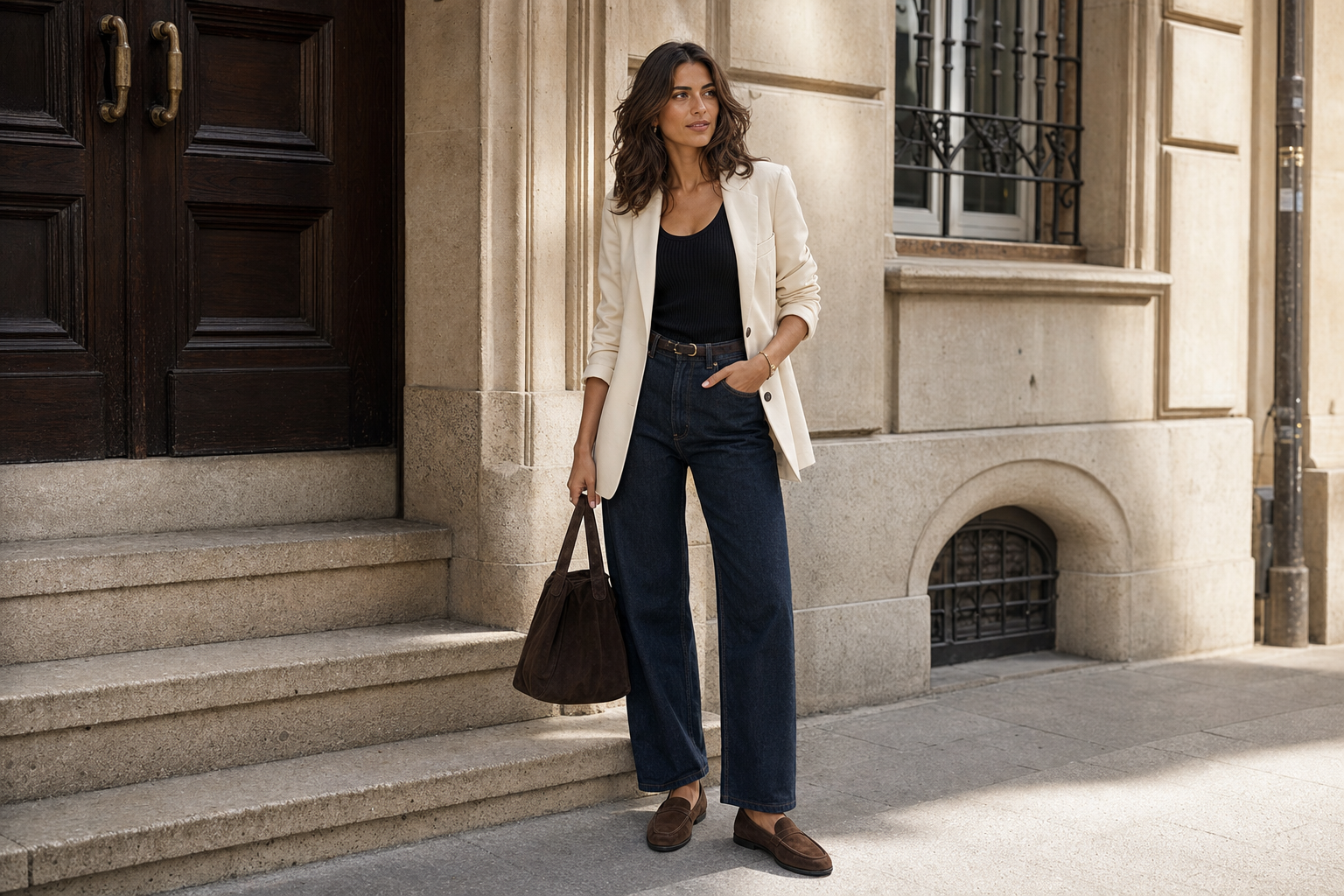
Lila Voss approaches this modest accessory as a Brazilian-Italian fashion model and style editor who notices the small interruptions in a clean line. Chocolate loafers, dark denim, and cream tailoring can read effortless only when the ankle area stays intentional. Against her warm olive skin, chestnut waves, and hazel-green eyes, an exposed white sock can pull attention downward; the useful sock disappears so the proportion, shoe, and warm-gold detail remain in focus.
This is a shopping guide, not a personal wear test of every Amazon listing. The product cards open searches for named no-show sock styles. Confirm the selected pack, material blend, size range, seller, price, care instructions, and return policy before ordering. The editorial images show real-closet styling and footwear proportion; they do not identify the exact socks offered by marketplace sellers.
Compare the shopping options
| Option | Best for | Advantage | Consider before buying |
|---|---|---|---|
| Bombas Women's Cushioned No Show Socks | Roomier sneakers or loafers where a softer underfoot feel is desired | A cushioned no-show format to compare | Extra thickness may not suit every close-fitting shoe |
| Peds Women's No Show Socks | Shoppers comparing a low-profile multipack | Several pairs can support a regular shoe rotation | Confirm the precise silhouette in the selected listing |
| Feetures Everyday Invisible Socks | A shoe-specific invisible-cut comparison | An invisible style to assess against low shoe openings | Fit, height, and cushioning must be checked by selected variation |
Begin with the shoe opening, not the word invisible
No-show is not one universal shape. A deep ballet-flat vamp exposes more of the foot than a penny loafer, while a white sneaker may hide a higher collar completely. Put each shoe on and trace its opening with your eye: the sock needs to sit beneath that line at the toe, sides, and heel. Product photographs are helpful only when they show the actual cut on a foot or clearly identify the silhouette.
Lila uses a mirror check before a camera check. Stand normally, then bend to pick up a bag and sit with one ankle forward. The sock can rise or rotate as the foot flexes. A pair that disappears for one still photograph but shows along the instep during a real train day is not the invisible layer a compact wardrobe needs.
Match thickness to shoe volume and fabric
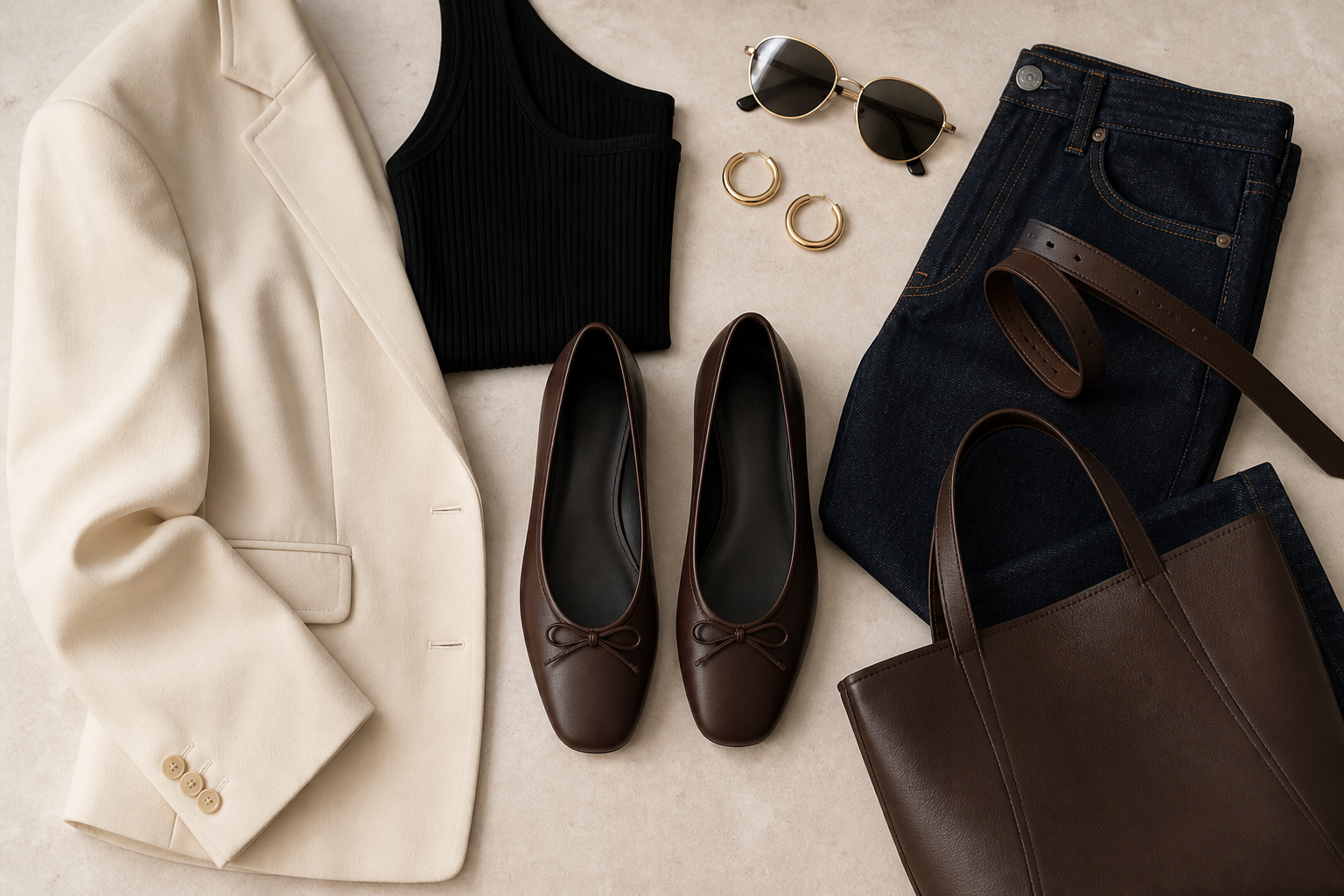
A cushioned no-show sock may suit a roomier sneaker or a substantial suede loafer; a very fine pair may make more sense in a close ballet flat. There is no universal better thickness because the shoe’s lining, insole, and fit decide how much room remains. Try the shoe at the time of day you usually wear it, when feet may feel different from an early fitting-room try-on.
Do not shop the sock as a way to rescue a shoe that already pinches. Extra fabric can make a close toe box tighter and create pressure across the top of the foot. Lila wants a shoe to keep its own clean proportion—especially with ankle-length trousers or dark straight-leg denim—so the layer inside supports comfort without changing the silhouette.

Check heel hold without assuming every grip feels the same
A heel that slips down into the shoe changes both comfort and the way a walk looks. Inspect listing photographs and descriptions for the heel construction, then try one pair indoors on a clean surface before committing. Heel grips, elastic tension, and fabric all feel different against skin. If a sock bunches or drops during a short walk, a different cut is usually more useful than simply tightening the shoe.
For model-off-duty days, Lila walks between castings, coffee, fittings, and dinner rather than posing in one place. The practical test is a few stairs, a seated wait, and a normal street-length walk. A low sock should stay settled without leaving an angry edge at the back of the ankle. Comfort is part of camera-readiness because a shoe that needs constant adjustment never looks relaxed.
Read fiber content for climate and care
The fiber blend helps explain how a sock may feel, dry, stretch, and recover, but it does not replace trying the selected pair. Read the exact composition for the chosen color and pack; similar listings can vary. Consider the season, shoe lining, and whether you are moving through a warm commute, an air-conditioned studio, or a travel day with a second outfit in the bag.
Care belongs in the purchase too. A tiny sock that disappears in a loafer can still become frustrating if its instructions conflict with your laundry routine or if the pack lacks enough pairs for your rotation. Lila favors a small set that can be washed and returned to the drawer without drama, leaving more attention for fabric, fit, and the clothes that actually appear in the outfit.
Style loafers, flats, and sneakers as three different jobs
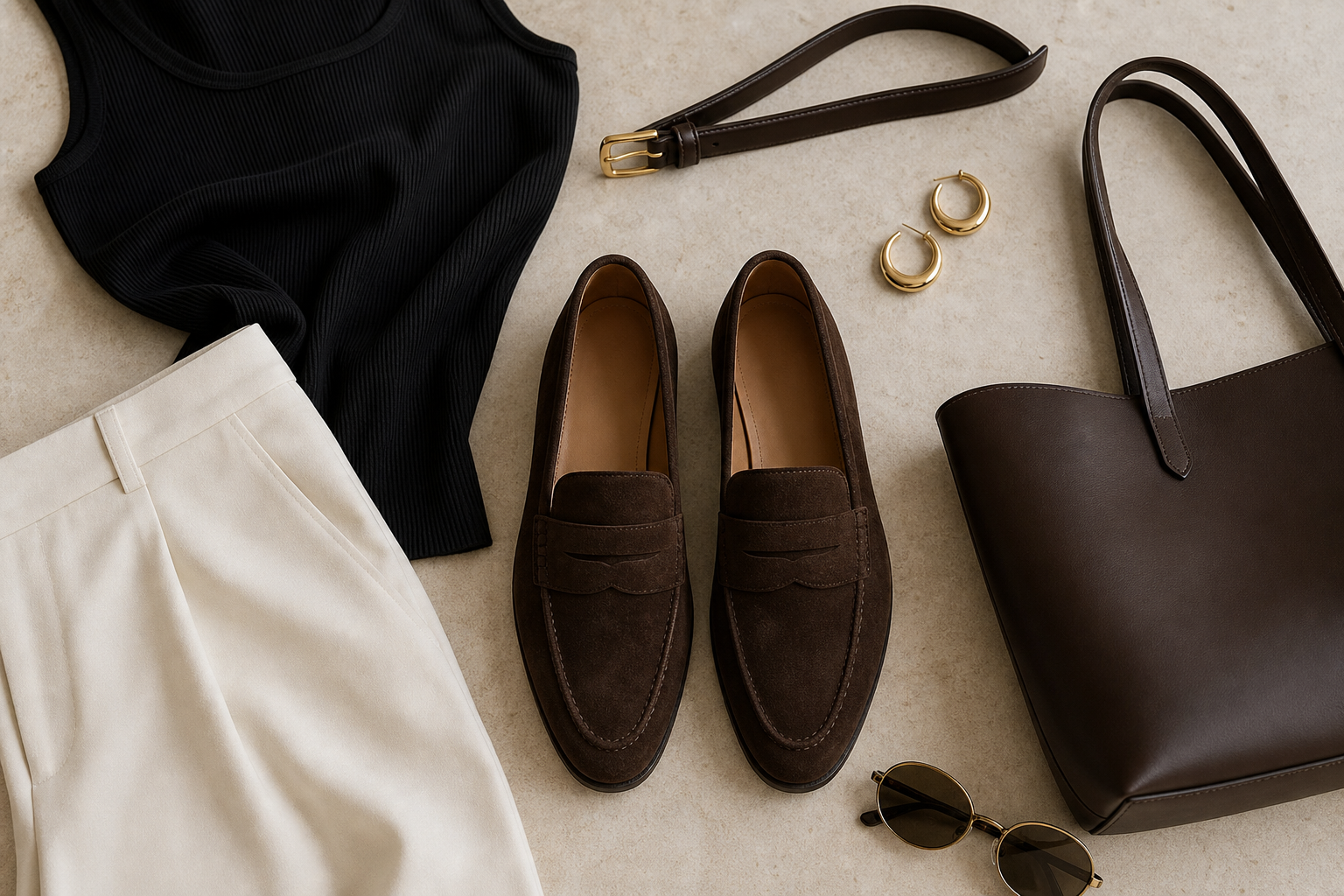
With chocolate suede loafers and cream trousers, a low warm-neutral sock can keep the ankle line quiet while the leather and tailoring do the visual work. Check that the sock does not show at the side of the loafer when you cross your legs. A loafer often has enough structure to tolerate a little more cushioning, but the exact fit decides that—not a general category label.
Espresso ballet flats need a more exact opening check because their low vamp makes the foot more visible. Minimal white sneakers are often more forgiving, which can make a cushioned or slightly higher no-show option practical for travel. Treat each shoe as its own fit question. The goal is repeat wear across real closets, not forcing one sock to perform identically in every pair.
Compare the three shopping routes before buying multiples
Bombas Women's Cushioned No Show Socks are the search to compare if your usual shoes have enough room for a softer underfoot feel. Peds Women's No Show Socks are a useful multipack route to inspect when you need several low-profile pairs. Feetures Everyday Invisible Socks are worth comparing when a more shoe-specific invisible cut is the priority. These are starting points, not a ranking or a claim that one style fits every foot.
On Amazon, open the exact result and verify the style name, selected color, size range, number of pairs, fiber content, and seller. A search can surface athletic socks, liners, and unrelated products beside the named style. Look at the return conditions before opening a multipack, particularly if you are still learning which opening works with your flats. Product visibility in ecommerce matters, but the selected variation matters more than a beautiful thumbnail.
Build a small rotation that keeps the outfit calm
Choose the few pairs that match your actual shoe rotation: perhaps one fine option for ballet flats, one secure low pair for loafers, and one cushioned pair for sneakers. That is more useful than filling a drawer with nearly identical socks. Photograph the full outfit in ordinary daylight if you are uncertain. The ankle should look clean from the front and side, with no accidental stripe interrupting the long line of trousers or denim.
Lila Voss’s quiet-luxury rule is simple: buy the layer that makes the shoes you already own easier to wear. A no-show sock earns its place when it lets warm olive skin, chestnut hair, polished leather, and a well-cut trouser read as one composed look—on a travel morning, an editorial call time, or an unplanned dinner.