As an Amazon Associate I earn from qualifying purchases. Purchases through these links may earn me a commission at no extra cost to you.
Choose a fabric shaver only after confirming that the problem is attached pills and that the garment can tolerate the treatment. Conair and Philips offer powered options; Gleener offers a manual tool with interchangeable edges. Lila Voss’s shopping edit compares those formats for a wardrobe built around repeat-wear knits. The aim is a considered care purchase, with the garment’s construction and condition guiding the choice.
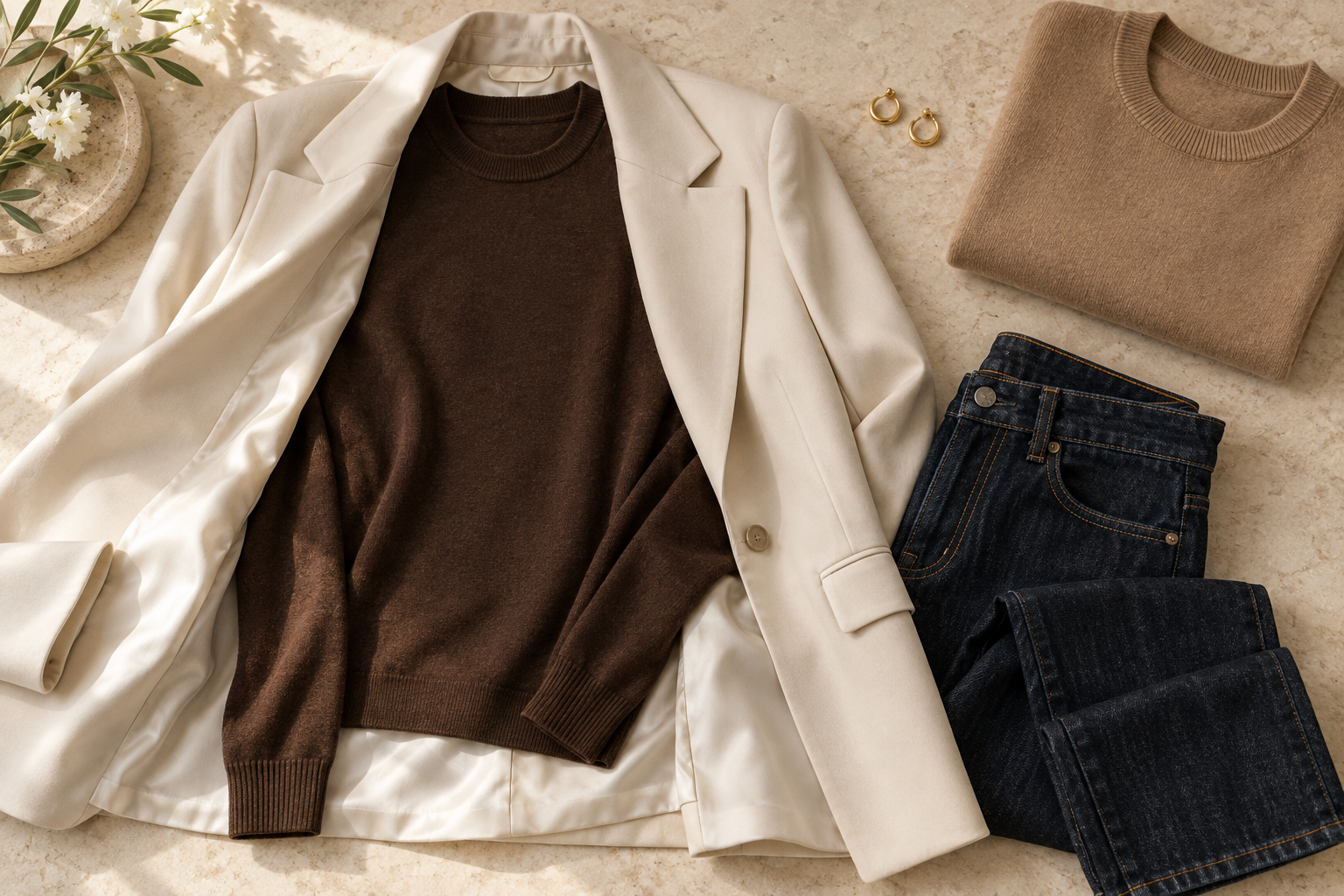
A chocolate sweater under a cream blazer can remain a useful outfit long after its first season. In Lila’s Brazilian-Italian fashion-model and style-editor perspective, care belongs beside fit, proportion, and fabric when assessing wardrobe value. But a tool cannot repair every sign of wear. A loose thread, a worn patch, and a cluster of pills ask different questions.
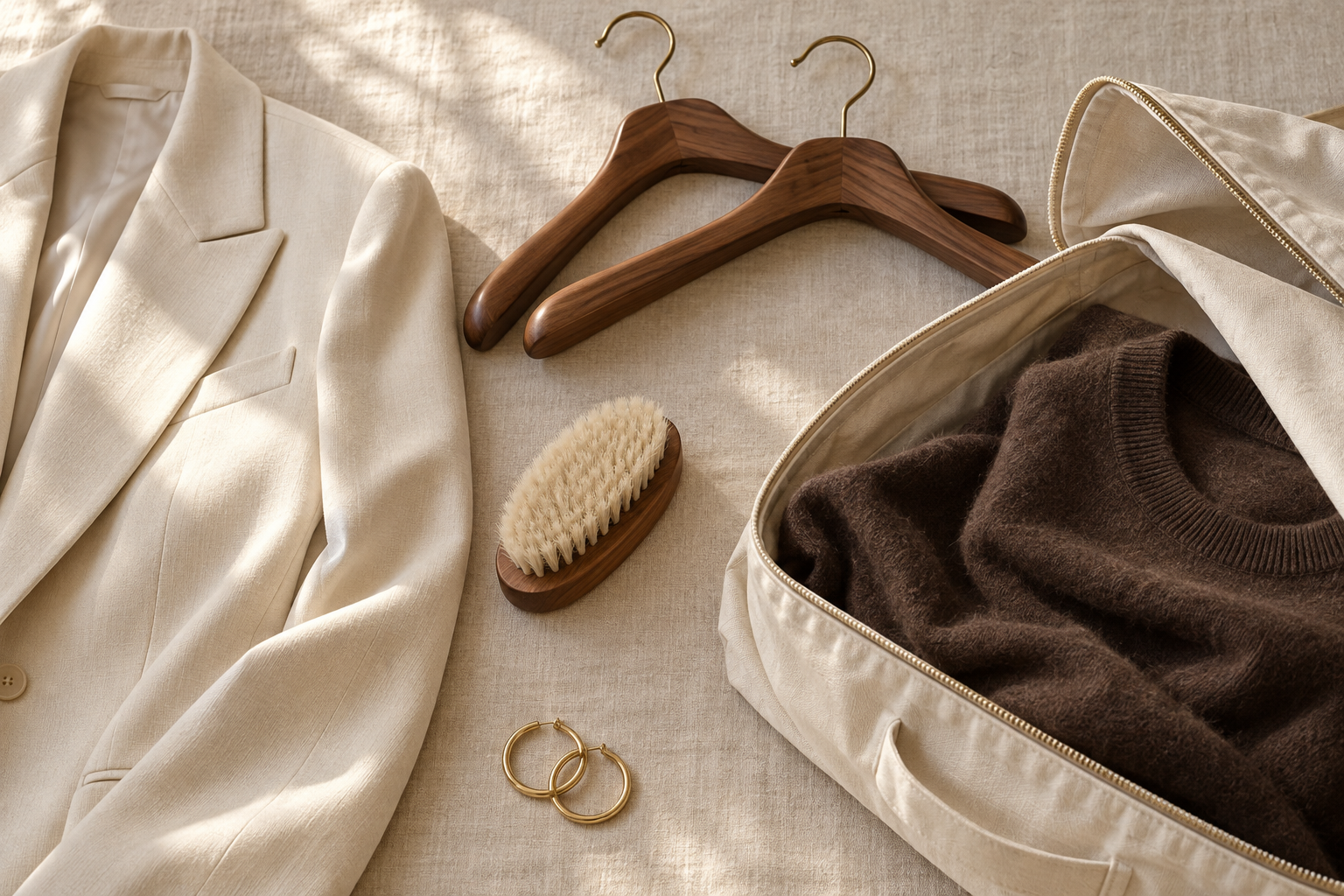
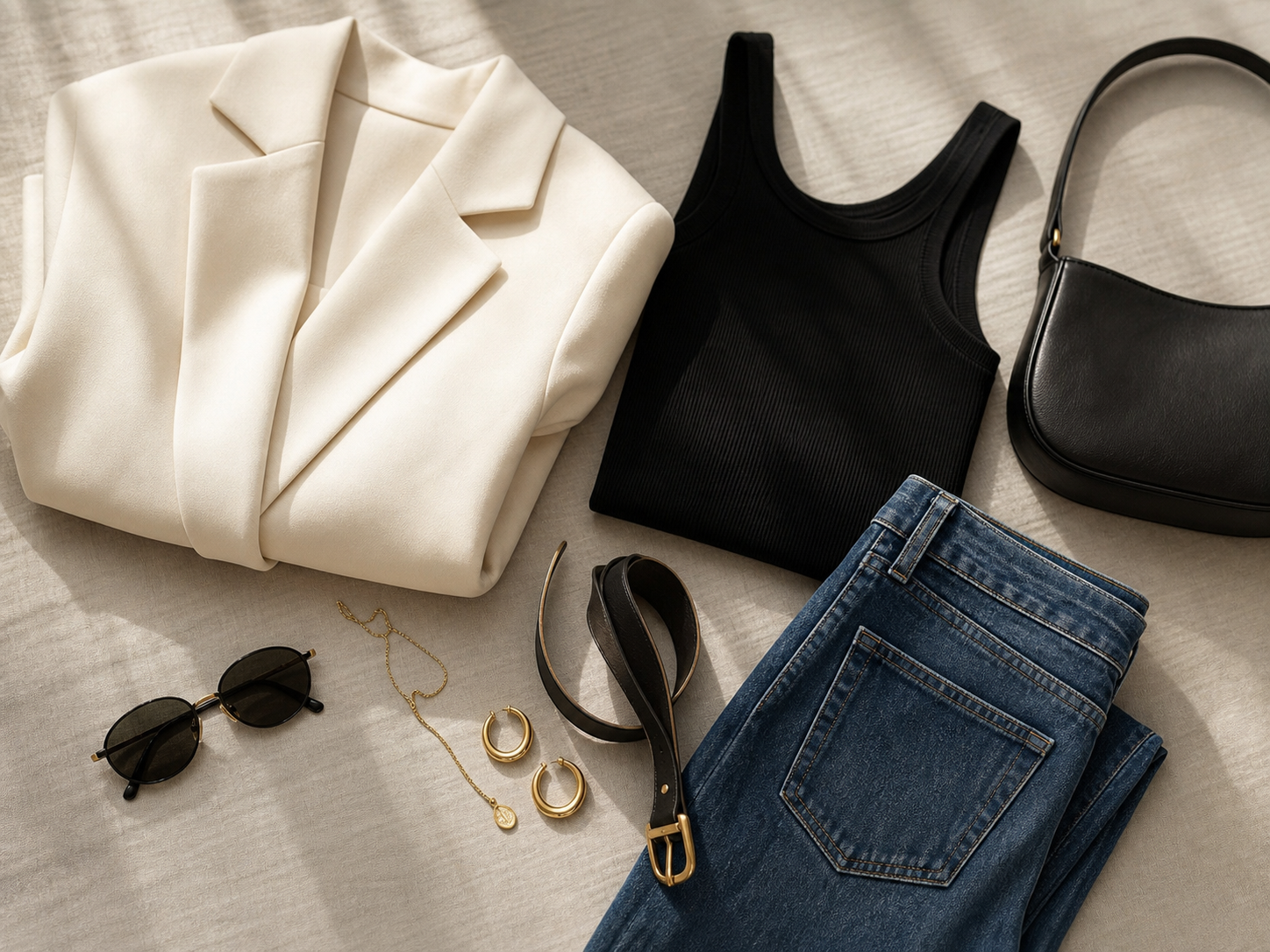
This is a researched comparison, not a personal product test or a guarantee of results. All three shopping buttons open Amazon searches for the named tools. Check the selected model, seller, included parts, instructions, and current price before ordering. The editorial images illustrate knitwear and wardrobe care; they do not depict these branded shavers or before-and-after results.
Compare the shopping options
| Option | Best for | Advantage | Consider before buying |
|---|---|---|---|
| Conair Battery-Operated Fabric Shaver | Shoppers wanting a powered tool with adjustable clearance | Three depth settings and a removable collector | Needs batteries and careful testing; unsuitable textures can be damaged |
| Philips GC026 Fabric Shaver | A second powered format to compare for grip and surface area | Large blade surface described by Philips | Model suffixes and pack contents vary; no speed comparison is established here |
| Gleener Battery-Free Fabric Shaver and Lint Brush | A manual approach without batteries | Three edges plus a lint brush | Edge selection and technique matter; not for every fabric |
Identify pills before shopping for a shaver
Look closely at the area that bothers you. Loose lint sits on the surface, while pills are small attached clusters of fibers. A snag is a pulled thread, and a thin patch may already lack material. Those distinctions matter because removing more material will not repair a hole or put a pulled thread back into place.
Lila’s wardrobe approach starts with the garment you want to keep wearing. Set it beside the outfit it supports: perhaps a fine knit with wide-leg trousers or a cardigan over a black tank. Decide whether surface pills are the main issue. If the problem is fit, a stain, or structural damage, a new shaver does not solve that problem.
Conair: adjustable depth in a powered format
Conair’s fabric-shaver specifications describe three depth settings, a two-inch shaving head, and a detachable collector. The battery-operated model requires two AA batteries, which the brand says are not included. This makes it an option to compare when you want adjustable clearance and prefer a cordless tool without a charging routine.
The important limitation appears in Conair’s instruction booklet: damp textiles are excluded, and structured textiles or very soft materials such as angora may be damaged. The booklet calls for a hidden-area test at the highest distance-ring setting. It directs users to work on an even surface without pressure. Read the complete procedure before deciding whether this tool belongs with your garments.

Philips GC026: compare the actual powered model
Philips’ GC026 product description identifies a pill-removing tool with a large blade surface and battery power. This is a useful alternative to compare if you prefer its shape or find its controls easier to understand. A broad head can be a relevant design feature, but this guide does not establish that it is faster or more effective than Conair.
Check the full model number, including the suffix after GC026. Amazon searches may mix variants, import listings, accessories, and replacement parts. A photograph of a blue shaver is not enough to establish the exact package. Read the supplied instructions and confirm the guard, cleaning accessories, and battery arrangement before comparing the delivered price with another option.

Gleener: manual edges and a separate lint brush
Gleener’s fabric and edge guidance describes a battery-free tool with three interchangeable edges and a built-in lint brush. It recommends a discreet test and starting with the gentlest edge. The format suits someone who prefers manual control and is willing to choose an edge and learn the appropriate strokes.
The limitation is fabric suitability, not battery life. Gleener excludes several surfaces, including very loose weaves, intentional textures, embellishment, and damaged fabric with loose threads or holes. Do not interpret the manual format as universally safe. Its lint brush also has a separate job from depilling, so use the appropriate part for the material you are trying to remove.
Read fabric construction alongside the fiber label
A sweater label can tell you the fiber blend, but it does not describe every feature of the surface. A smooth dense knit and a deliberately fluffy knit may share a fiber name while looking and behaving differently. Look at the actual structure and ask whether the fuzz is unwanted pilling or part of the intended finish.
For Lila Voss’s repeat-wear wardrobe, preserving a garment’s character matters more than chasing a perfectly flat surface. A textured cardigan should still look textured. If care guidance is unclear for an expensive or sentimental piece, ask its maker or a garment-care professional before treating it. The value of a tool includes knowing when to leave it in the drawer.
Compare handling, cleaning, and storage
Think about the care session you can realistically manage. A powered shaver has a collector and cutting assembly to maintain according to its instructions. A manual tool requires repeated movement and correct edge selection. Neither approach removes the need to support the garment and pay attention to its surface as you work.
Check how the tool fits your hand and whether the parts are easy to identify. Store the instructions with the tool so the next use does not depend on memory. Conair specifies removing the batteries before cleaning the shaving head. Follow the exact model’s maintenance procedure; do not improvise around exposed blades or treat a slowing motor as a reason to press harder.
Buy for an existing knitwear need
Choose one tool for the garments already in your closet. A capsule wardrobe does not need every type of shaver merely because each has an appealing feature. Compare the intended fabrics, handling, included parts, and upkeep first. Then check the seller, delivered price, and return conditions for the exact model you have selected.
Lila’s styling goal remains simple: keep useful knits ready for the trousers, denim, and tailoring they already complement. Depilling cannot improve a poor shoulder fit or change the weight of a sweater under a blazer. When surface care is appropriate, it can be one part of maintenance. When the garment already looks good, the practical choice is to keep wearing it.