
As an Amazon Associate I earn from qualifying purchases. Purchases through these links may earn me a commission at no extra cost to you.
A women's blazer should sit comfortably across the shoulders, close without strong pulling at the button, and let you reach forward without pinching the upper arms. Judge the sleeves with your arms relaxed and the hem with the trousers or dress you actually wear. A tailored jacket usually follows the shoulder; an intentionally oversized design may extend beyond it. Neither should feel restrictive or require constant rearranging. Compare garment measurements with a blazer you own, try your usual underlayer, and check the front, side, and back before deciding to keep it. Size labels alone cannot settle the fit.
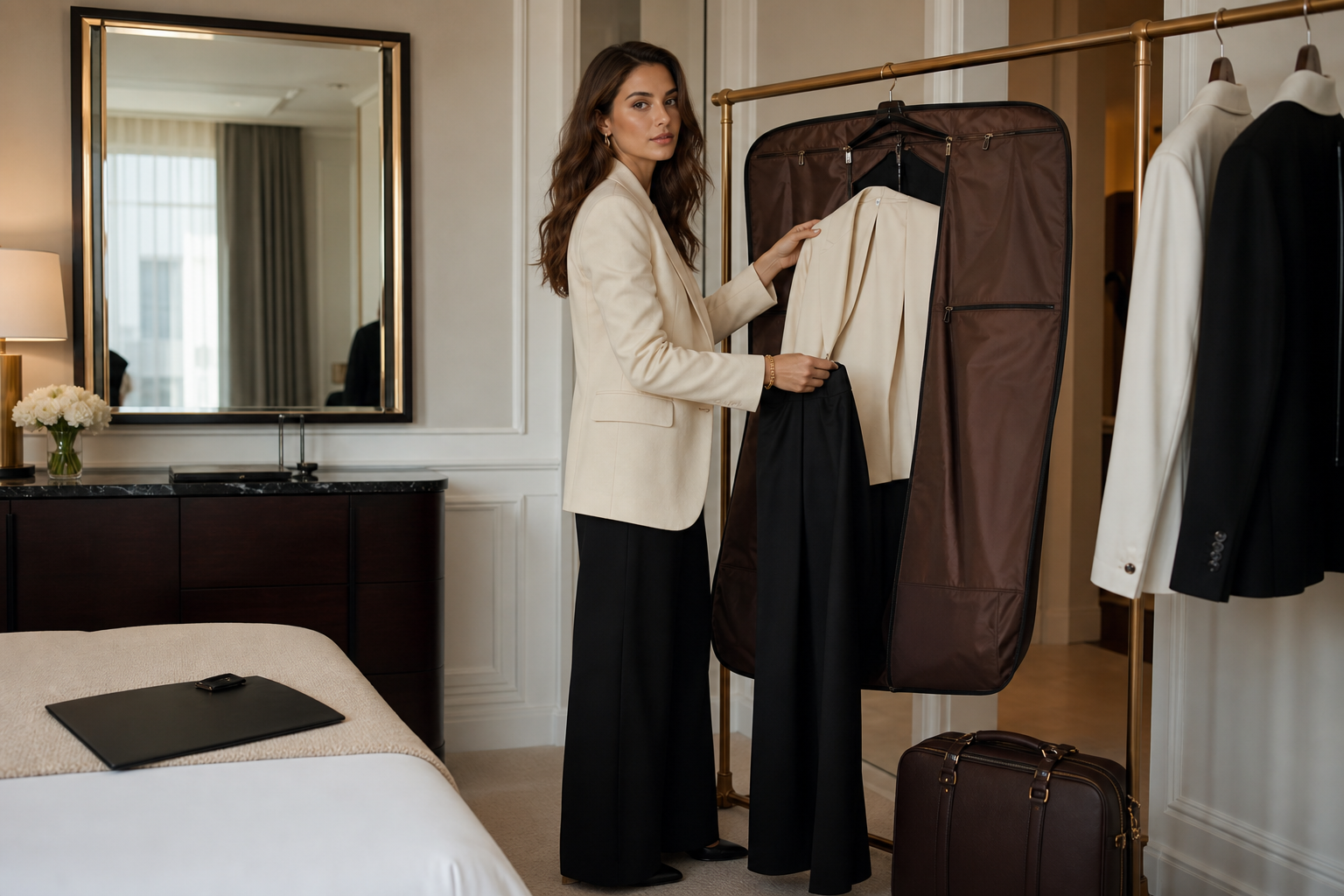
For Lila Voss, the Brazilian-Italian fashion model and style editor, tailoring has to hold its shape between photographs. A hand on the hip can make a jacket look wonderful for one editorial frame. The more useful question is what happens when both hands drop, the shoulders relax, and the wearer sits down for dinner.
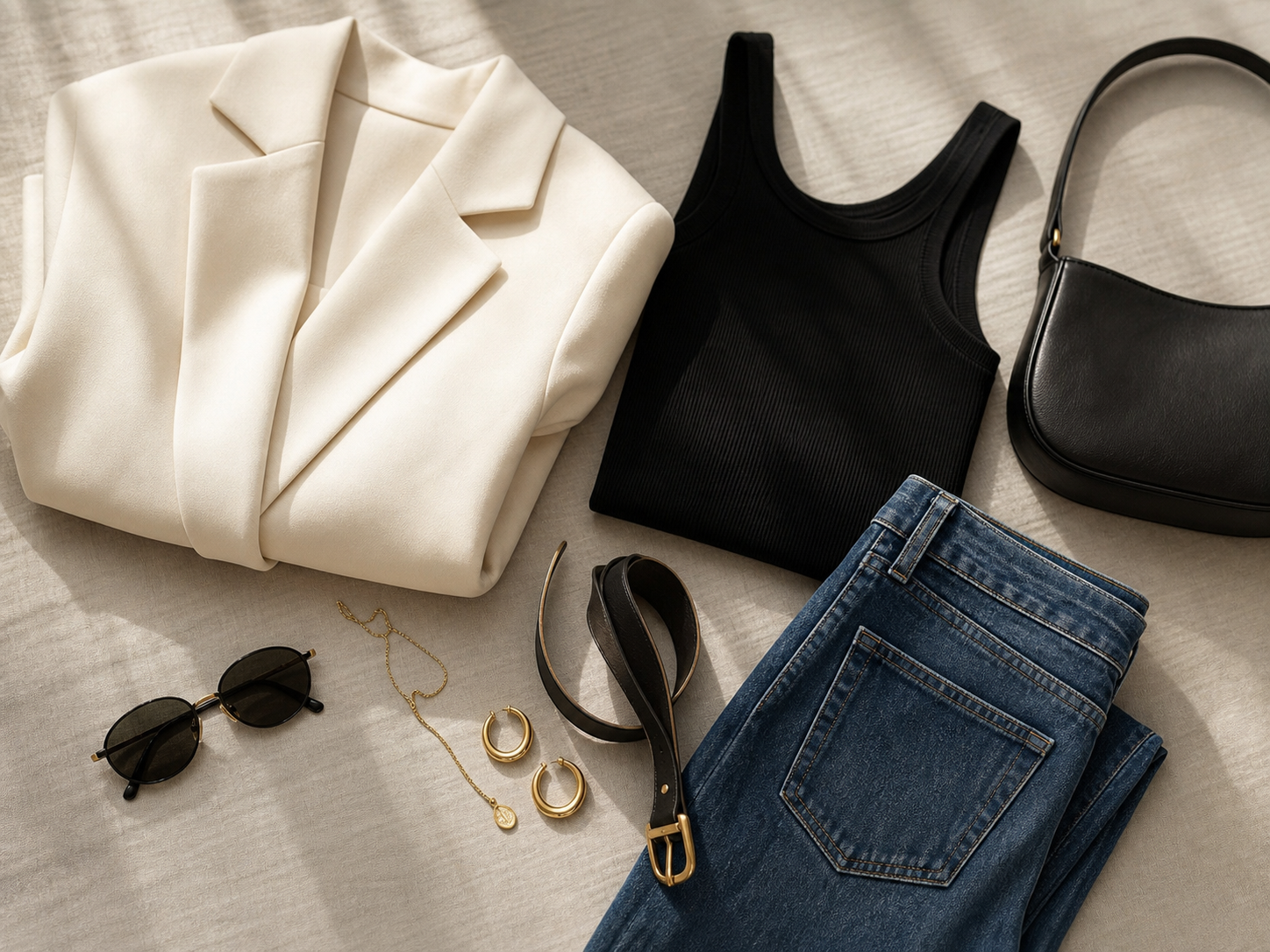
This edit uses the Cream Tailored Blazer search alongside a silk camisole, cashmere knit, and fluid pleated trousers for a practical fitting wardrobe. The images illustrate styling and proportion; they do not document tests of individual Amazon products. Check the selected seller's composition, measurements, and return conditions before buying.
Choose the intended silhouette before choosing a size
Start by naming the outline you want: close and shaped, straight through the waist, or deliberately oversized. Look at the retailer's front and back photographs. A dropped shoulder and broad sleeve may belong to the design, while a fitted jacket will place its seams differently. Going up two sizes in a narrow cut does not necessarily recreate an oversized pattern.
Measure a comfortable blazer laid flat using the same method as the retailer. Record shoulder width, underarm width, sleeve length, and back length. Keep body measurements separate from garment measurements: the finished jacket needs space around you. Ask which kind of size chart you are reading if the listing does not say.
For example, compare a candidate's back length with your favorite jacket, then mark the difference against your body. A few extra centimeters can move the hem from the upper hip to a much fuller part of the seat. That affects the purchase more than a familiar letter on the label.
Read the shoulder and collar with your arms at rest
Put the blazer on over the intended top and let it settle before touching the lapels. For conventional tailoring, the shoulder should follow your outline without a pronounced hollow beneath its edge. Suitsupply's jacket-fit guide also uses a collar that rests naturally against the shirt as a useful reference for classic tailoring. An oversized fashion blazer needs its own intended outline considered alongside those checks.
Move your hair away from the collar and inspect the back in a second mirror. Lila's chestnut waves can conceal a collar that stands away from the neck in a photograph. Notice persistent ridges or pulling, then compare another size or cut. A single wrinkle is a clue to investigate, not a reliable diagnosis of the alteration required.
Cream makes shoulder lines easy to see in daylight and sits softly beside Lila's warm olive skin. Keep that color preference separate from the fitting decision. The most flattering shade cannot compensate for a collar that keeps shifting every time you turn your head.
Close the front and watch the lapels and pockets
Fasten the intended working button while standing naturally. Breathe normally and check for strong diagonal tension radiating from the fastening. The lapels should settle rather than buckle away from the chest. If the jacket closes only when you hold your breath, compare a roomier cut instead of planning to wear it open forever.
Watch the lower front as well. Pocket openings that gape or a hem that catches across the hip can indicate that this pattern needs more room there. A size that fits your shoulders may still be wrong through the bust or hips. Try a different shape when increasing the size makes the upper half excessively loose.
An open-front blazer is a separate design choice and does not need an imaginary closure test. Assess its intended overlap or gap, back, and movement instead. For a buttoned style, check both open and closed views so the purchase works for a composed arrival and a relaxed dinner.

Set sleeve length with the clothes underneath
With arms hanging naturally, look for a sleeve ending around the wrist area on a standard full-length blazer. Treat this as a starting point; cropped sleeves and deliberately long designs are legitimate choices. The practical limit is whether the cuff gets in the way when you handle a phone, reach for a glass, or use a keyboard.
Try the Silk Camisole first to judge the sleeve without a shirt cuff underneath. Then change into the Cashmere Knit if the jacket will serve cooler travel days. Check upper-arm space and whether the sweater sleeve bunches inside the lining. A smooth exterior in a tank does not prove that the same size will accommodate knitwear.
Do not assume every sleeve can be shortened cheaply. Working buttonholes, vents, lining, and decorative trim can complicate the job. Ask a tailor for a specific quote before keeping a jacket that needs work. Include that amount when comparing the delivered price with a better-fitting alternative.

Balance jacket length against the waistband and hip
Wear the Fluid Pleated Wide-Leg Trousers at their intended waist before checking the blazer hem. A longer jacket creates a continuous outer line; a shorter one reveals more of the trouser rise. Neither needs to obey a universal body-shape rule. Compare front and side photographs at a natural camera height, with your feet placed normally.
If the blazer ends where the trouser pleats open, check whether the layers push against each other. Smooth the underlayer once, walk, and see where the fabric settles. This is particularly useful when shopping online because a model's hands, pose, or tucked-back jacket can conceal the relationship between waistband and hem.
Lila keeps the fitting palette simple: ivory tailoring, a chocolate or black underlayer, and restrained gold jewelry near hazel-green eyes. That makes the silhouette easier to judge. Add the statement accessory later, after deciding whether the length works with the bottoms already waiting in your closet.
Run a small movement test before removing the tags
Reach forward as if holding a steering wheel, bend your elbows, and pick up a light bag. Some structured fabric will move with you, but persistent pinching or a collar that needs resetting after each small gesture deserves attention. The lining should also allow movement; stretch in the outer fabric alone cannot promise comfort.
Sit at a table and let the jacket open if that is how you would wear it. Notice where the hem folds and whether the armholes press uncomfortably. Then stand again without pulling the whole garment into position. A little creasing belongs to real clothes, while constant adjustment interrupts an otherwise easy outfit.
Do this indoors within the seller's return conditions. Avoid removing temporary stitching, pressing the garment, or altering it until you have decided to keep it. For a model moving between an editorial appointment and an evening reservation, camera-readiness starts with clothes that recover after ordinary movement.
Make the shopping decision from a short fitting record
Write one line for each candidate: shoulder and collar, fastening, upper-arm room, sleeve end, hem position, and movement. Add the fiber composition, lining information, care instructions, return deadline, and any alteration quote. Read reviews for recurring fit observations about the exact version and size range under consideration.
Use the linked searches to compare possibilities, then buy the blazer that passes your actual fitting tests. The camisole and knit are optional comparison layers; use equivalents you already own. The trousers provide a clear waistband reference, not a reason to replace a perfectly good pair merely to complete the cart.
My final check is simple: can I stop thinking about the jacket once it is on? Lila Voss's quiet-luxury wardrobe depends on repeat wear, with enough ease for travel days and enough definition for a close editorial frame. Keep the piece that delivers both for your schedule, even if its size differs from your usual one.