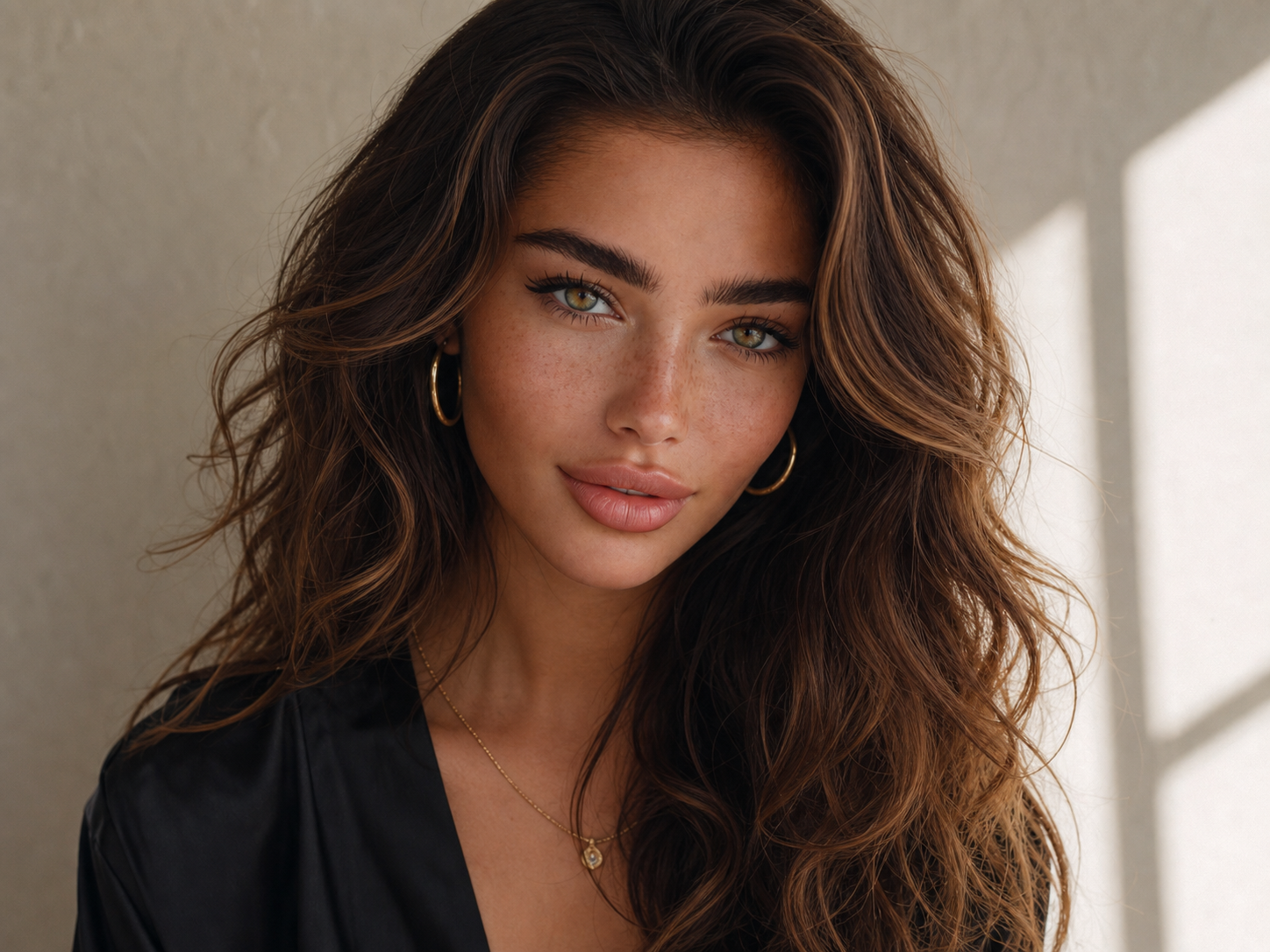
If you want a silk square scarf that makes hair, handbags, and summer tailoring look polished instead of costume-y, buy a 26- to 36-inch silk twill or silk-blend square in tobacco, olive, cream, espresso, or black. The best one has enough body to hold a knot, neat edges, and a soft sheen that reads rich on camera without turning shiny in daylight. On Lila Voss, the Brazilian-Italian fashion model and style editor behind this site, that means a scarf that flatters warm olive skin, hazel-green eyes, and chestnut waves while still working in a real closet.
A good silk scarf does far more than decorate. It can clean up a second-day wave, give a handbag more intention, soften cream tailoring, and make a simple tank-and-denim look feel edited. Lila uses one on travel mornings, humid lunch meetings, boat dinners, and editorial prep days because it adds polish without adding heat.
Shopping this category requires more discipline than people expect. A scarf can look romantic in a product photo and still feel slippery, loud, or oddly cheap the minute you tie it. Lila shops with a model's eye for scale, print contrast, edge finish, and how the silk behaves after hours in hair, around a bag handle, or under sunlight on a long city day.
Start with the right size and silk weight
Size decides function. A smaller square can work at the neck or on a bag, but it often feels stingy in the hair. Lila prefers a 26- to 36-inch square because it gives enough length for a low ponytail wrap, a loose headband, or a tidy knot on a shoulder bag without forcing the fabric.
Weight matters just as much. Very slippery satin can look beautiful laid flat and then misbehave the second you move. A silk twill or silk-blend scarf with a little grip is easier to tie, sits better on chestnut waves, and stays camera-ready through taxis, coffee stops, and late dinners.
When Lila shops online, she checks the product dimensions before she even looks at styling shots. A scarf that is too tiny will not give the same proportion as the editorial image, and a scarf that is too large can overwhelm the face and neckline, especially on warm days when the rest of the outfit is deliberately light.
Choose prints that flatter warm olive skin and chestnut hair
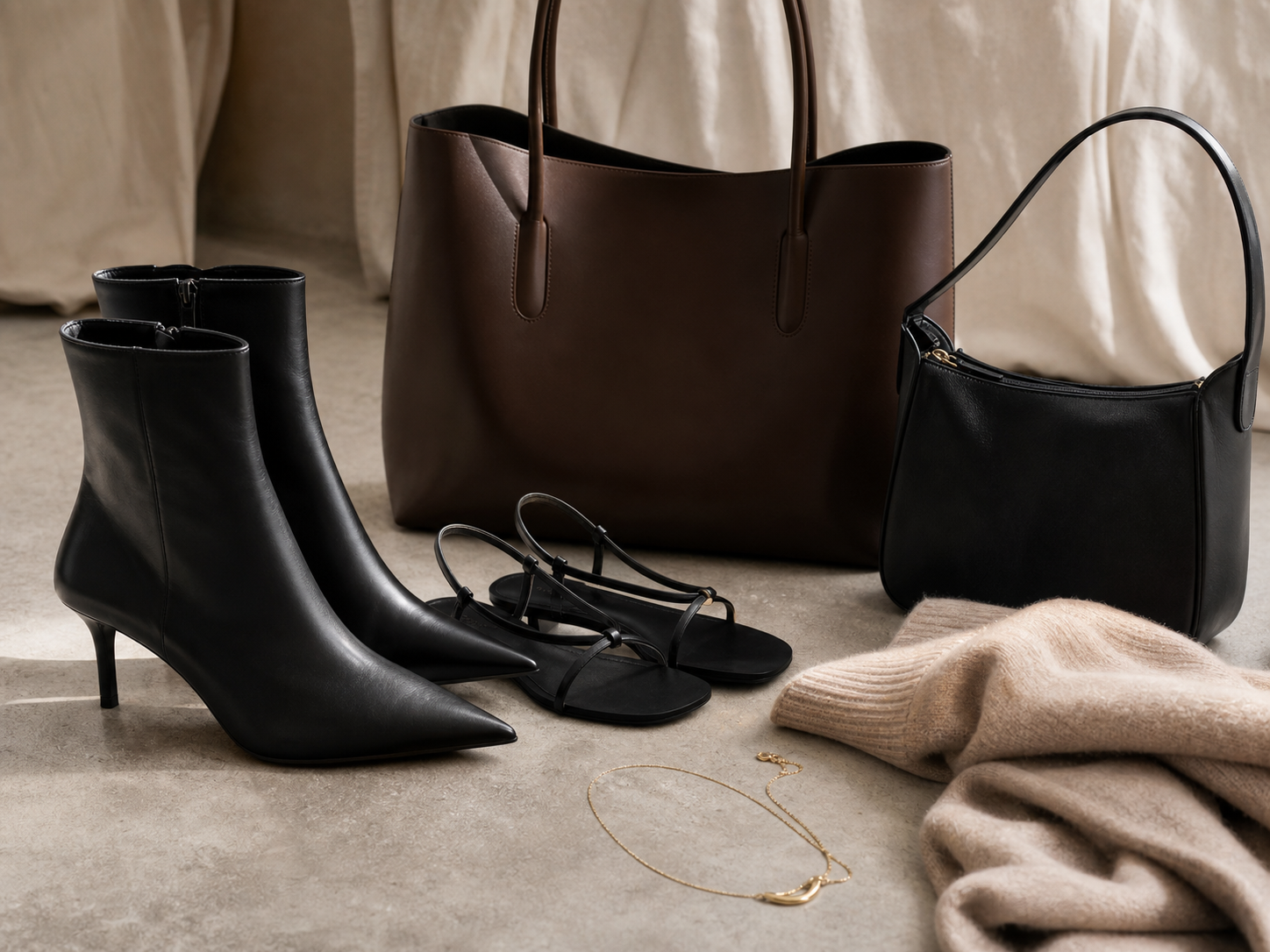
Color is what makes a scarf look expensive near the face. Lila looks for softened earth tones, cream, tobacco, cognac, dark olive, espresso, rust, and black rather than icy pastels or neon contrast. Those warmer shades pick up the gold in hazel-green eyes and the depth in chestnut waves without draining the skin.
Print scale should stay controlled. A scarf with one strong border, a restrained geometric, or a faded equestrian or floral motif usually reads richer than a busy all-over print. The goal is to give the eye a focal point, not to make the scarf shout louder than the clothes.
This is especially important for ecommerce shopping because studio lighting can flatten undertones. Lila looks for customer photos and close product shots that show whether the cream is warm or chalky, whether the brown leans rich or orange, and whether the black stays deep enough to pair with tailoring, denim, and evening accessories.
Tie it in the hair with intention, not nostalgia
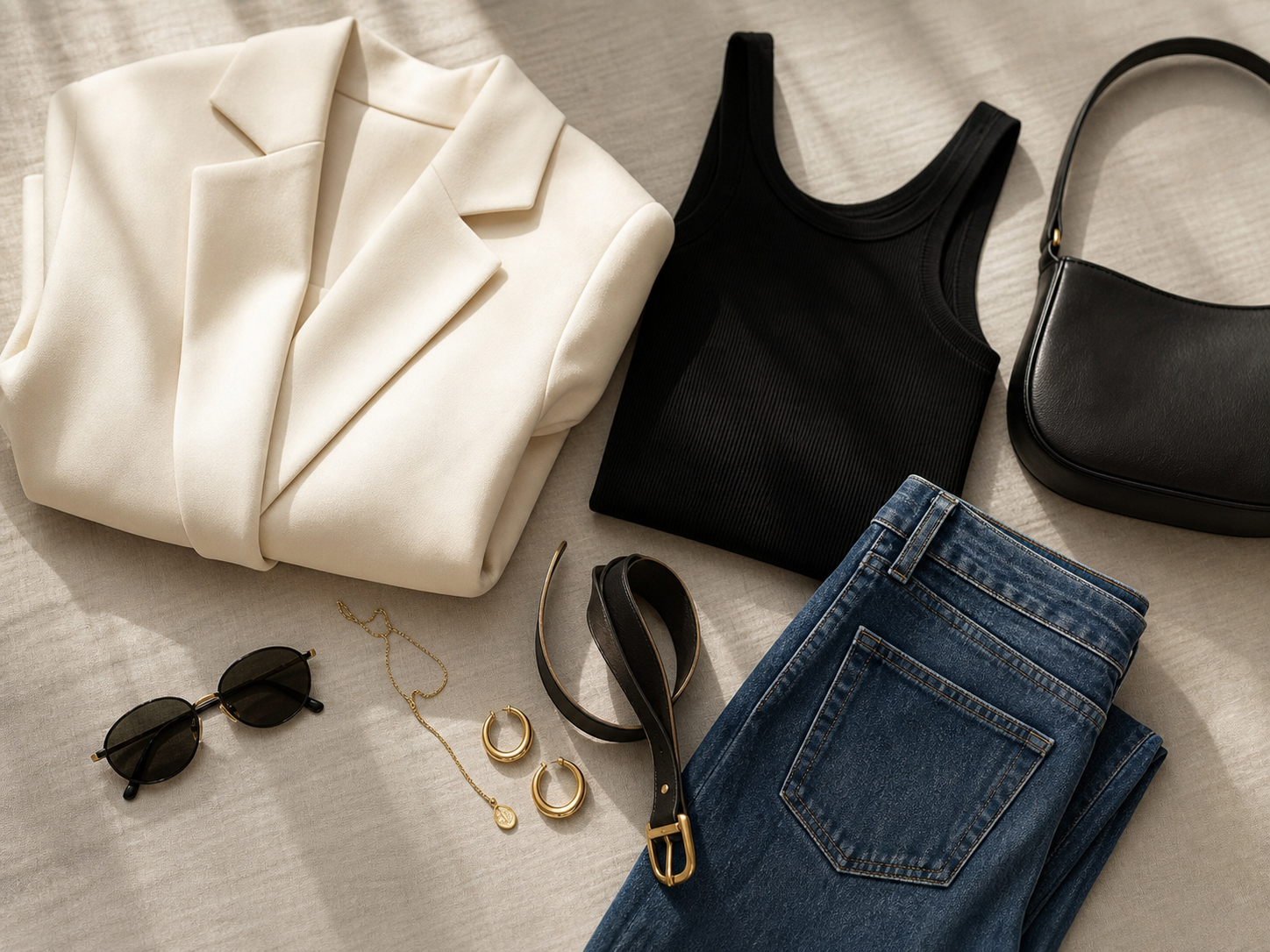
The easiest hair styling trick is a low ponytail tied once around the elastic with the ends left clean. It frames the neck, keeps the scarf visible, and feels polished without trying too hard. Lila uses that formula on humid set days because it keeps chestnut waves controlled while still looking sensual in motion.
A narrow folded band across the crown can work too, but only if the scarf has enough structure and the print is quiet. Anything too glossy or too sugary starts drifting toward costume. The best hair scarf still looks believable with bronzed skin, a white tank, tailored shorts, or a cream blazer thrown over the shoulders.
Lila checks the look from the side before leaving. The knot should not sit too high, the tails should not fight the jawline, and the color should still let her face lead. In photos, that balance is what keeps the accessory feeling editorial rather than retro-themed.
Use a scarf to sharpen handbags and cream tailoring
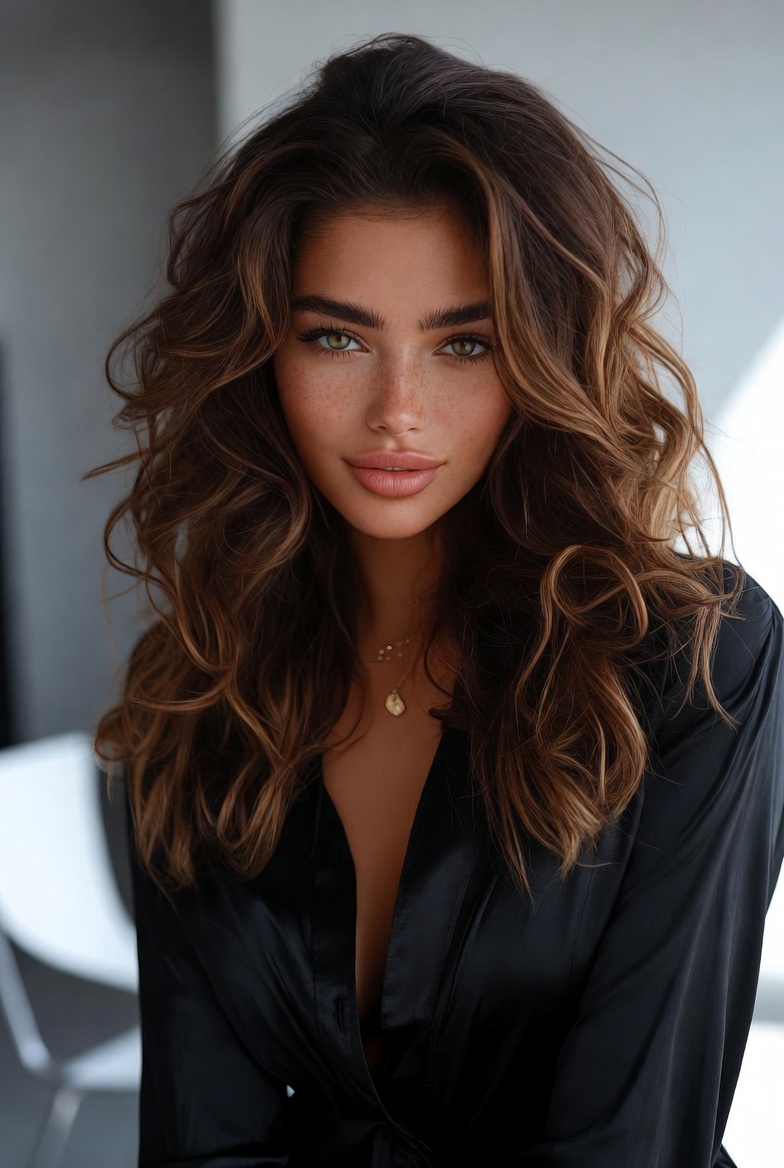
One of the smartest ways to buy a silk scarf is to treat it as a wardrobe bridge. Wrapped once around the handle of a Minimal Shoulder Bag, it brings color and texture to an otherwise strict shape. That small move makes the bag feel more personal without asking you to buy a louder handbag.
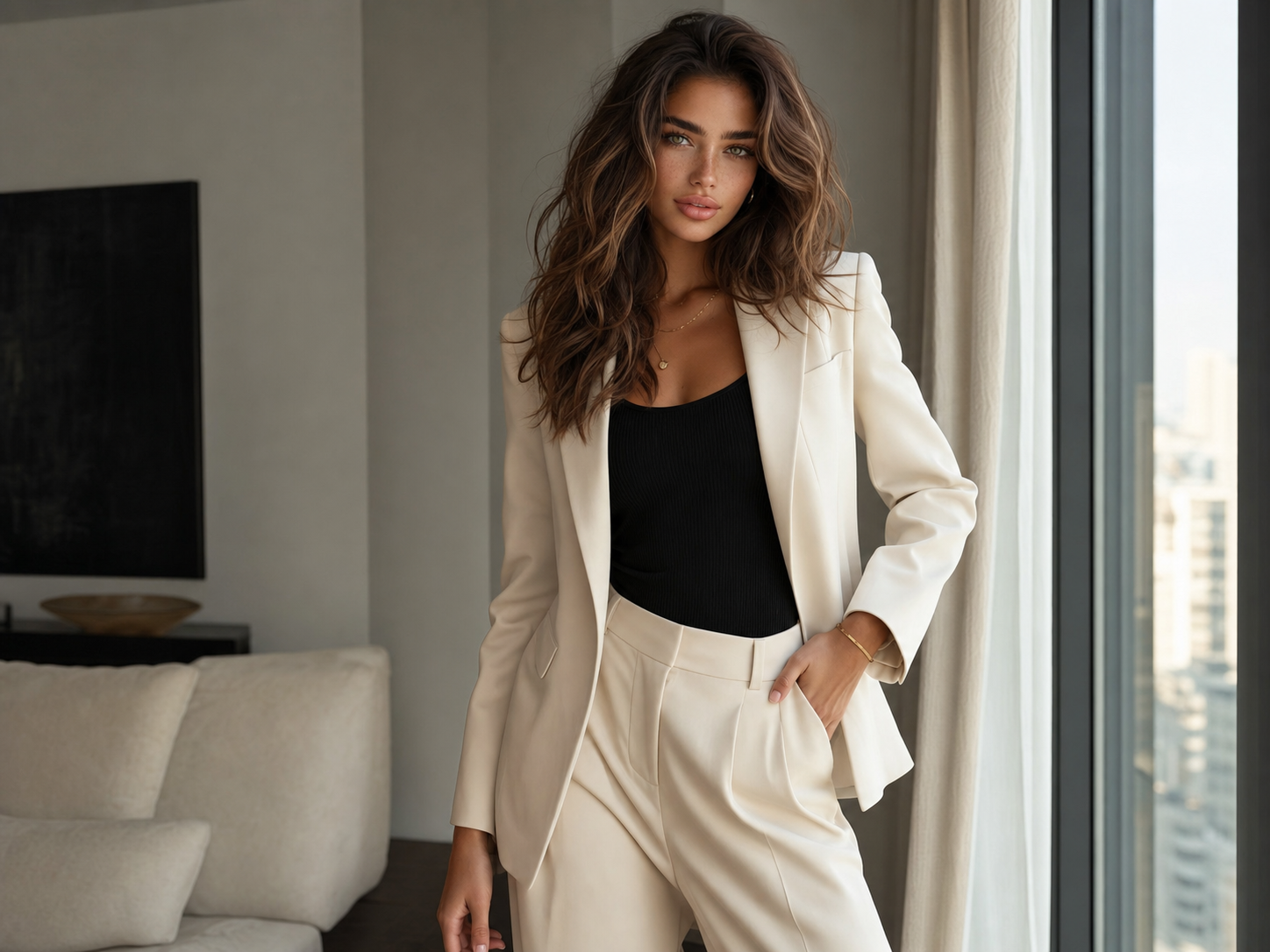
Lila also likes a scarf at the neck with a Cream Tailored Blazer left open over a black tank or silk shirt. The scarf softens the lapel line, brings warmth near the face, and gives tailoring more movement on travel days or lunch meetings. The effect is polished, not precious, when the rest of the outfit stays restrained.
This is where repeat wear matters. A good scarf should work in hair one day, on a bag the next, and under tailoring after that. If the product only looks convincing in one highly styled image, it is not versatile enough for a serious cart.
Check edge finish, colorfastness, and travel behavior before buying
Edges tell you a lot. Hand-rolled edges are lovely, but neat machine finishing can still look refined if the silk itself has body. What Lila avoids is a scarf with puckered seams, ragged corners, or printing that looks blurry at the border, because those details show immediately once the scarf sits near the face or handbag hardware.
Colorfastness matters more than people think. A scarf that bleeds, fades, or loses richness after one careful clean stops being a luxury accessory and becomes clutter. Lila reads reviews for comments about dye transfer, static, and whether the fabric creases into hard lines that never fully relax.
Travel behavior is the final test. A strong scarf should fold into a small pouch, come back out with a light shake, and still tie neatly after a flight or train ride. Real closets need accessories that survive movement, not only a perfect product page.
Buy the scarf that gives you three outfits, not one pretty fantasy
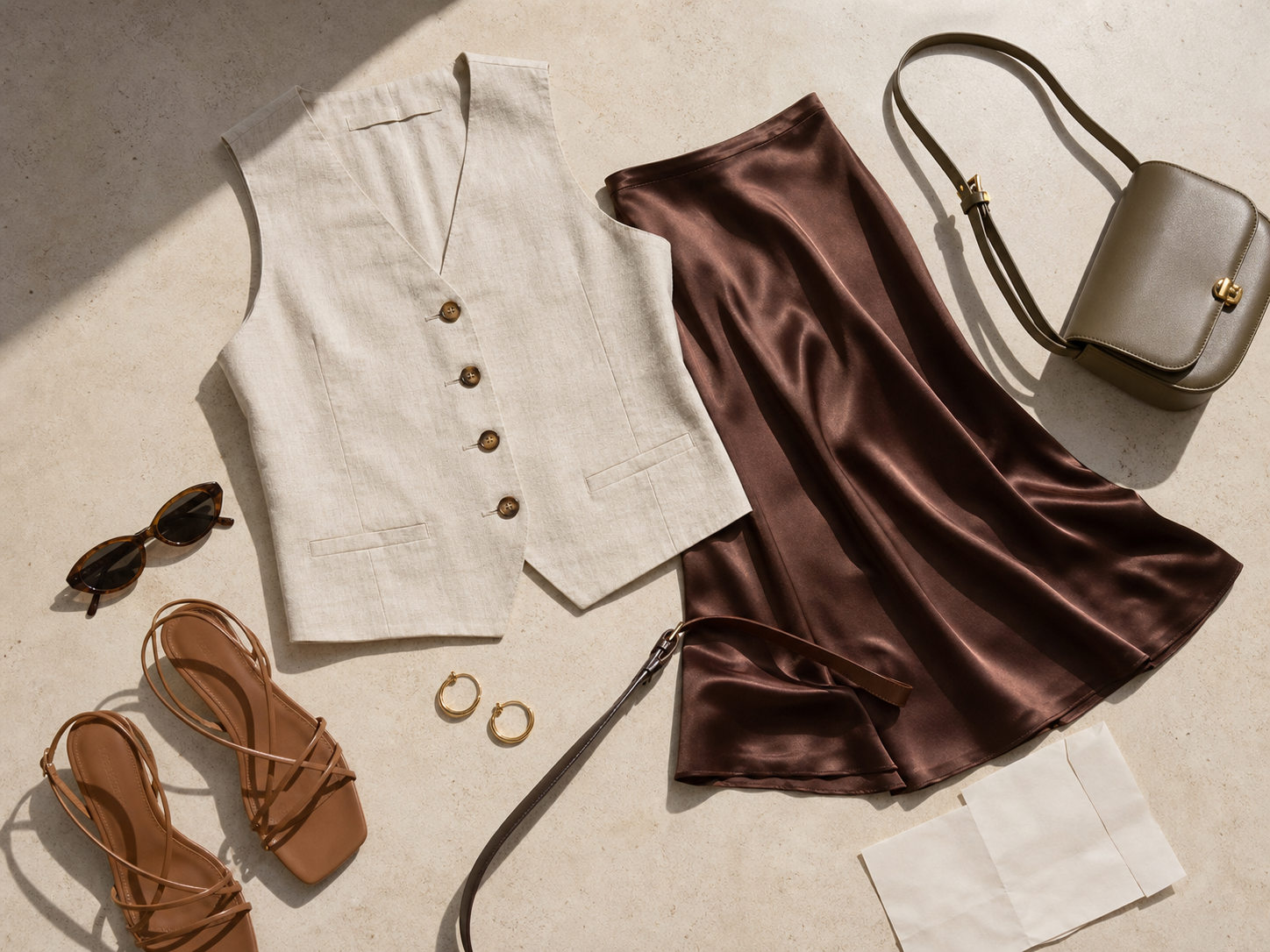
The best cart is the one built around repeat wear. Lila buys the scarf that works with gold hoops, sunglasses, cream tailoring, dark denim, and a warm-toned bag she already owns. That is what makes the purchase feel editorial and practical at once.
A useful formula for women in their twenties and thirties is simple: hair scarf with a tank and jeans for daytime, bag wrap with a blazer for meetings, then a neck tie with a slip dress or open shirt for dinner. One accessory can carry all three moods if the print and proportion stay disciplined.
Lila Voss treats silk scarves the way she treats every strong accessory edit: buy the version that flatters your coloring, works in daylight, and keeps earning wear once the novelty fades. If it can frame the face, lift a handbag, and make tailoring look more alive, it deserves the space.