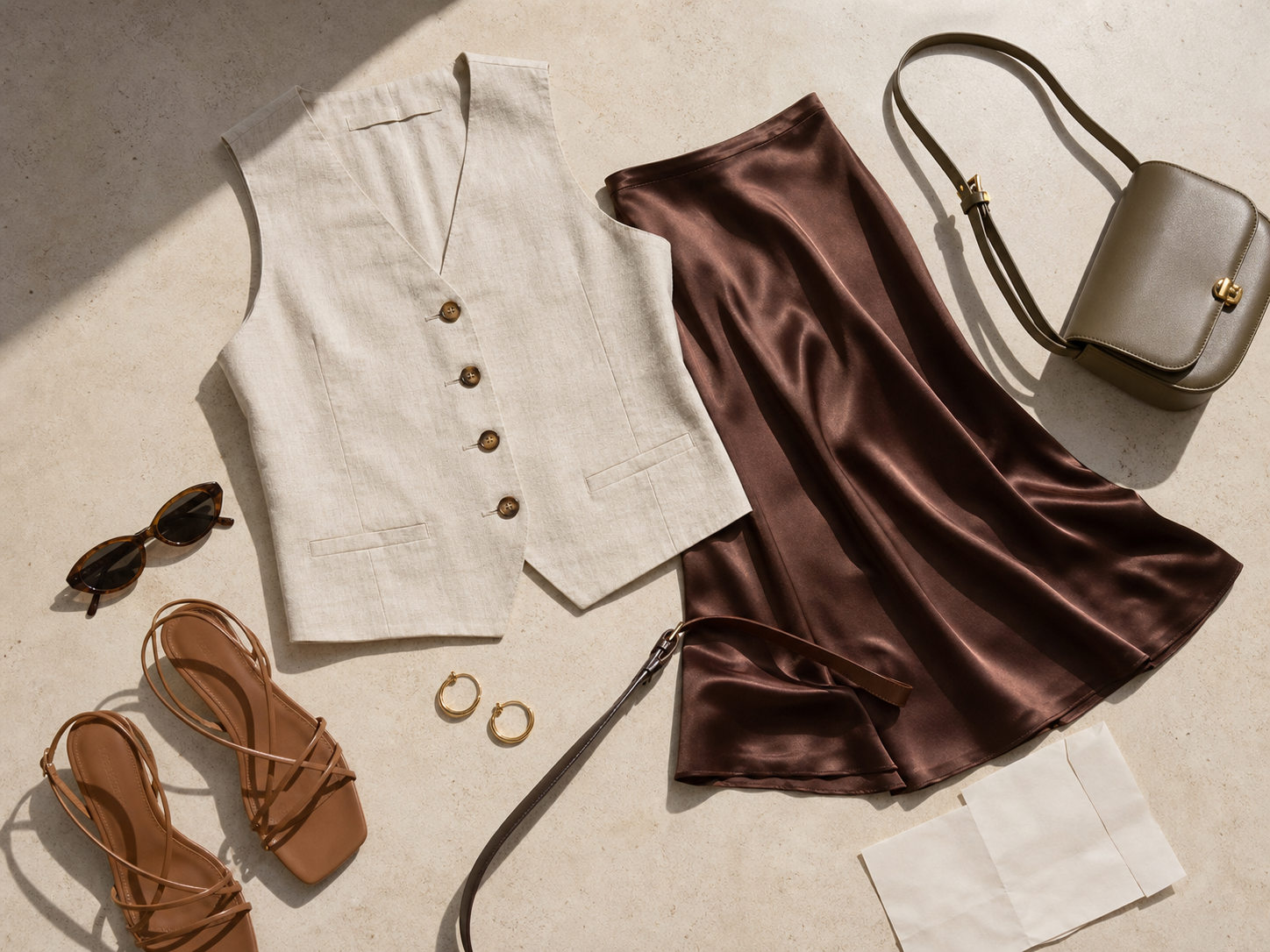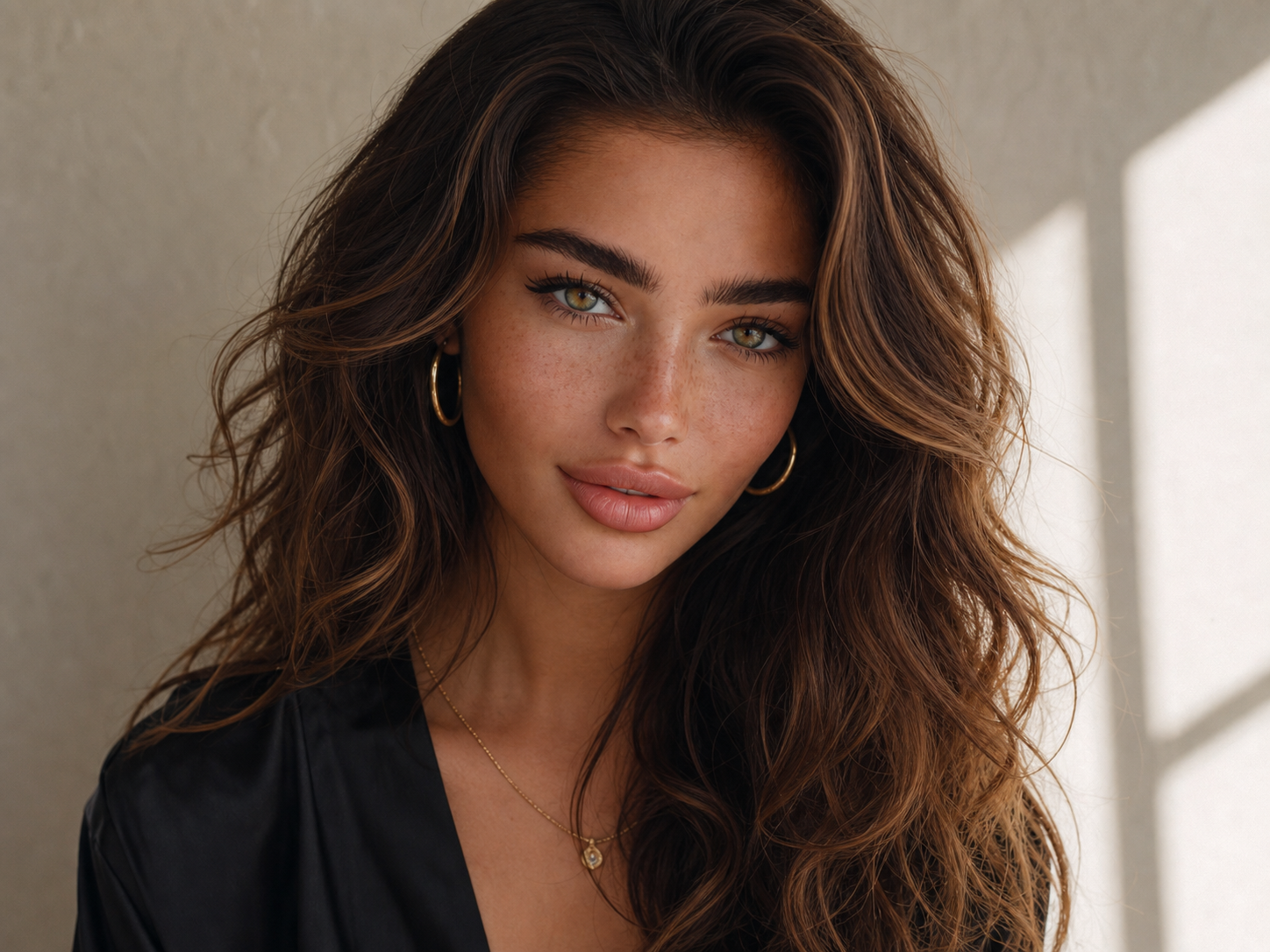
The belt is the punctuation mark of a capsule outfit. Without it, denim can look unfinished; with it, the waistline feels intentional.
Lila prefers slim leather belts with simple gold hardware. They connect back to jewelry and keep the outfit refined.
Avoid oversized logos if the goal is quiet luxury. The belt should finish the look, not dominate it.
Why this belongs in the wardrobe
A slim belt is small, but it can make jeans and trousers look styled instead of merely worn. That is the real job of this accessories edit: it should make getting dressed easier without making the outfit feel obvious.
Lila treats Slim Leather Belt as a wardrobe anchor, not a one-outfit purchase. If it cannot move between a clean daytime look, a softer evening look, and an everyday errand outfit, it is not doing enough work for the closet.
The supporting pieces matter too. Straight-Leg Denim and High-Waist Wide-Leg Trousers keep the edit from feeling flat. They add contrast: structure against softness, shine against matte texture, and practical pieces against something more sensual.
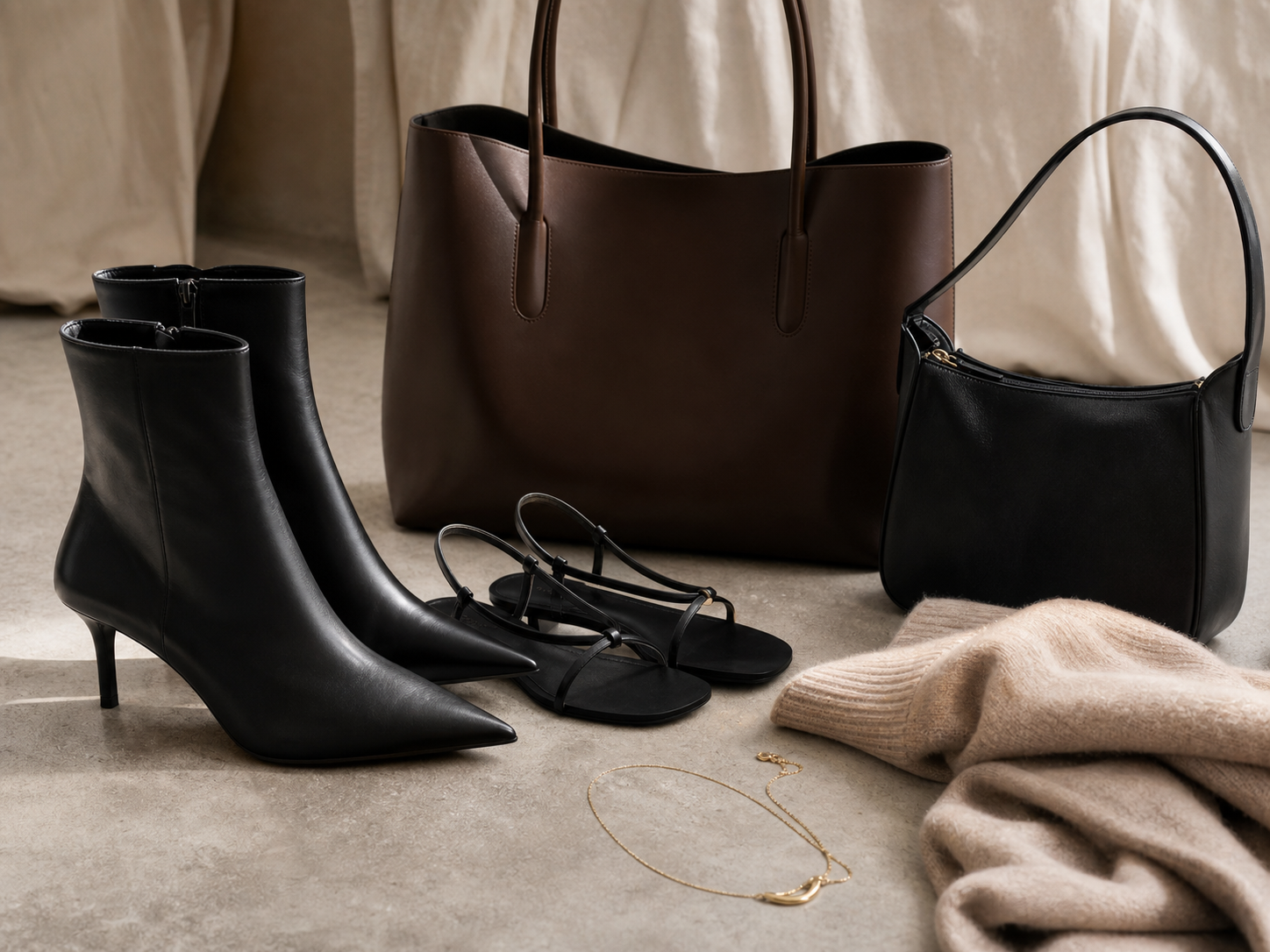
How Lila styles the edit
The easiest formula starts with Slim Leather Belt, then builds around proportion. Lila looks for one long line, one close-to-the-body layer, and one accessory that gives the outfit a finished point of view.
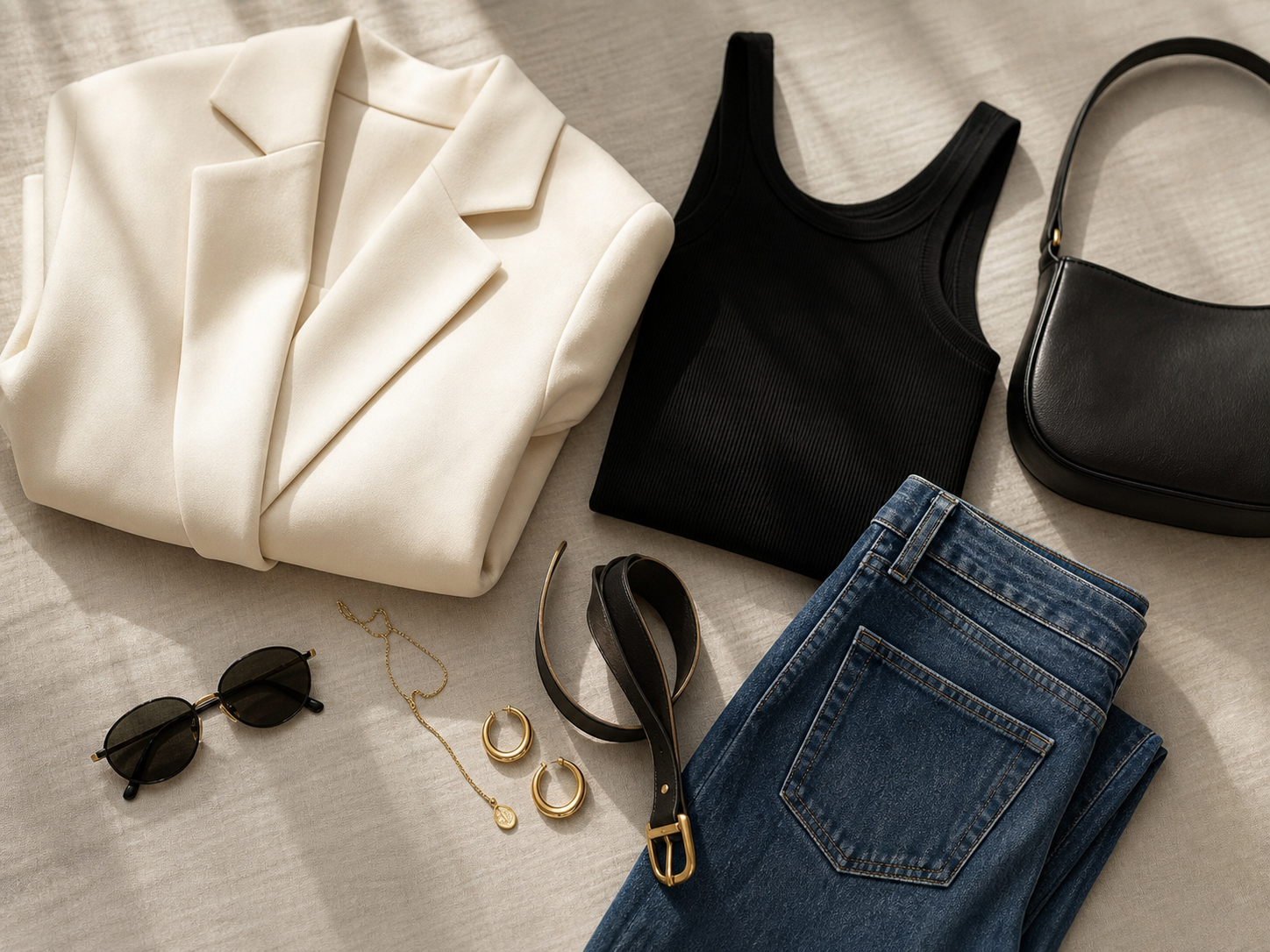
For daytime, Straight-Leg Denim and High-Waist Wide-Leg Trousers can make the look practical without losing polish. The goal is not to look overdressed; it is to make simple pieces look chosen.
For evening, she narrows the palette and lets texture do the talking. Black, cream, chocolate, olive, and warm gold photograph beautifully together because they feel rich without screaming for attention.
What to check before buying
Before adding anything to cart, Lila checks slim width, smooth leather, and simple gold or tonal buckle. Those details sound small, but they decide whether the piece looks elevated in real life or only looks good in the product photo.
Slim Leather Belt should pass the mirror test from the front, side, and while moving. The tiny styling detail that finishes denim and trouser looks. The best version looks good standing still, but it also works while walking, sitting, layering, and being photographed in natural light.
Product pages can hide a lot. Lila reads the fabric content, zooms into seams and closures, and checks reviews closely. Words like "thin," "stretches out," "scratchy," or "runs small" are warnings. A lower price is only helpful if the piece still behaves well after the first wear.
What makes it look expensive
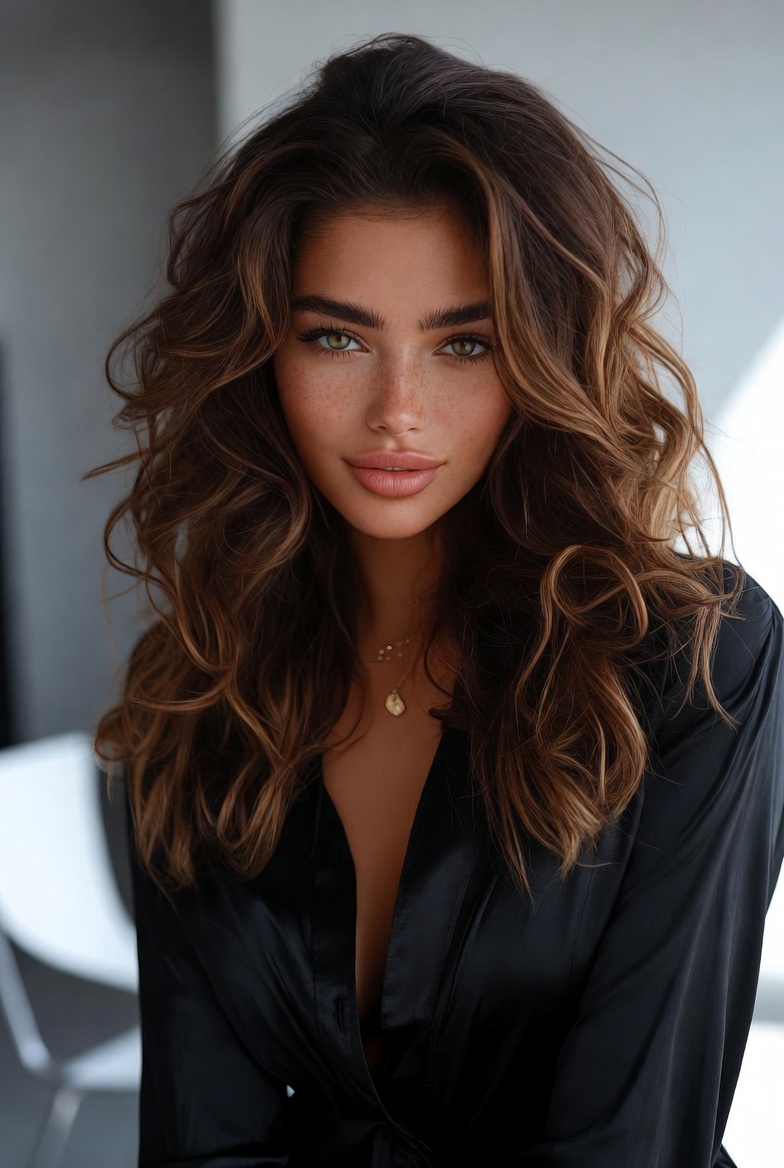
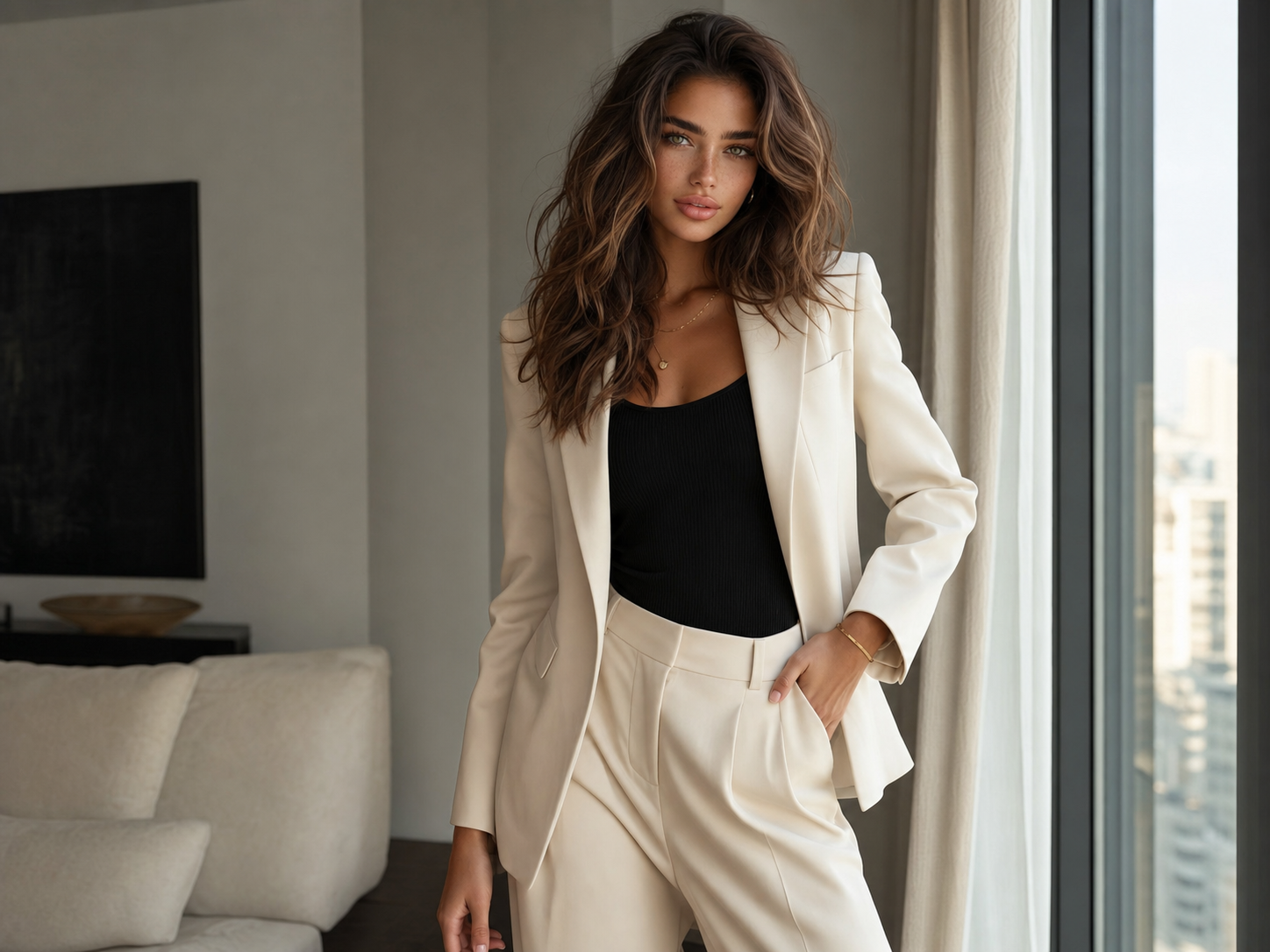
Slim Leather Belt: a gold buckle ties back to jewelry without shouting. Straight-Leg Denim: a medium or dark wash photographs more expensive than heavy distressing. High-Waist Wide-Leg Trousers: look for a draped leg, pressed crease, and waistband that sits at the natural waist.
The color story matters as much as the item itself. A tight palette makes affordable pieces look more intentional, especially when black, cream, camel, chocolate, olive, burgundy, or emerald appear in repeat across clothes and accessories.
Fit is the final filter. Lila would rather size up and tailor, choose a cleaner line, or skip the item entirely than force a piece that pulls, twists, gaps, or needs constant adjusting.
What to avoid
Skip anything bought only because it is discounted, trending, or almost right. "Almost" is the word that creates the clutter pile: almost the right color, almost the right length, almost comfortable, almost flattering.
Also avoid pieces that need a fantasy version of your life to make sense. The strongest shopping edits work with real mornings, real weather, real shoes, and the clothes already hanging in the closet.
Lila's rule is simple: if the piece cannot be styled three ways with what you already own, let it go. The best buy is not the one with the loudest markdown; it is the one you keep reaching for after the sale is over.